
Blog
The Best Speyside Single Malt Scotch Whisky Brands: 20 Exceptional Whiskies to Discover


The Best Speyside Single Malt Scotch Whisky Brands: 20 Exceptional Whiskies to Discover
Discover the best Speyside single malt Scotch whisky brands, from Glenfiddich and The Glenlivet to The Macallan, Aberlour, GlenAllachie and Glenfarclas. Explore signature expressions, flavour profiles, cask maturation, age statements, and expert buying tips in this complete guide.
Table of Contents
-
-
- Introduction: Why Speyside Whisky Deserves Your Attention
- What Is Speyside Single Malt Scotch Whisky?
- What Makes Speyside Whisky Different?
- The 20 Best Speyside Single Malt Scotch Whisky Brands
- Best Speyside Whiskies by Flavour Profile
- Understanding Age Statements and Cask Maturation
- How to Choose the Right Speyside Single Malt
- How to Serve and Enjoy Speyside Whisky
- Food Pairings for Speyside Single Malt Scotch
- Speyside Whisky: Frequently Asked Questions
- Final Thoughts
-
1. Introduction: Why Speyside Whisky Deserves Your Attention
Speyside is one of Scotland’s most celebrated whisky-producing regions and an outstanding place to begin exploring single malt Scotch whisky. Located in northeastern Scotland around the River Spey and its surrounding valleys, Speyside is home to an extraordinary concentration of distilleries producing whiskies with a remarkable range of characters.
Some Speyside single malts are light, fresh and elegant, with flavours reminiscent of green apple, pear, citrus and honey. Others are rich and full-bodied, offering dried fruit, chocolate, toasted nuts, cinnamon and layers of sherry-cask influence. There are also Speyside whiskies with a distinctive smoky character, demonstrating that the region’s identity is much broader than the familiar image of sweet, fruity Scotch.
Among its best-known names are Glenfiddich, The Glenlivet, The Macallan, The Balvenie, Aberlour, Glenfarclas and GlenAllachie. Each producer offers a different approach to distillation, maturation and blending within the single malt category. Other distilleries, including Benromach, Mortlach, Glen Grant and Tamdhu, provide further opportunities to explore the region’s diversity.
The Scotch Whisky Association identifies Speyside as one of Scotland’s five principal whisky regions and associates its whiskies with fruit-forward flavours, restrained peat in many expressions, honey, vanilla and spice. Sherry-cask maturation is also an important influence across many regional bottlings. However, these characteristics are general tendencies, not rules that apply to every distillery or bottle.
For whisky enthusiasts, this diversity makes Speyside especially rewarding. A newcomer can find approachable, balanced single malts, while an experienced collector can explore older age statements, cask-strength bottlings, limited releases and complex sherry-matured expressions.
This guide examines 20 notable Speyside single malt Scotch whisky brands, explaining what distinguishes each producer, which expressions are worth investigating and what type of whisky drinker may appreciate them most.
Whether you are choosing your first bottle, selecting a gift, building a whisky collection or comparing premium Scotch whiskies, understanding these producers will help you make a more informed choice.
Editorial note: Whisky character and availability can vary by expression, batch, bottling strength and vintage. Tasting descriptions in this guide are general style guides, not claims of personal tasting experience. Product ranges and local availability may change, so verify the exact bottle and current details before purchasing.
2. What Is Speyside Single Malt Scotch Whisky?
To understand Speyside whisky, it helps to distinguish three terms: Scotch whisky, single malt and Speyside.
Scotch whisky is whisky made in Scotland according to the applicable production and maturation regulations. Under the Scotch Whisky Association’s description of single malt Scotch, the spirit is made at one distillery from water and malted barley, distilled in copper pot stills, matured in Scotland for at least three years and bottled in Scotland at a minimum alcoholic strength of 40% ABV.
Single malt means the whisky comes from one distillery and is made from malted barley. It does not mean that the bottle contains whisky from only one cask. A producer may combine whisky from several casks at the same distillery to achieve a consistent or deliberately designed flavour profile.
Speyside identifies a whisky’s geographical origin. Speyside lies within the broader Highland geographical area, but it is recognised as a distinct Scotch whisky region. The Scotch Whisky Regulations protect the regional designation, and whisky labelled as Speyside must meet the relevant geographical requirements.
Speyside’s whisky history is closely connected with the River Spey, the surrounding agricultural landscape and the development of distilling communities across northeastern Scotland. Its distilleries have built international reputations for a wide variety of single malt styles.
The region includes famous producers with extensive international distribution and smaller or more specialised distilleries whose bottlings may be less familiar to casual buyers. This gives Speyside both broad commercial appeal and considerable depth for enthusiasts.
Is Speyside whisky always sweet and fruity?
No. Fruit, honey and malt are common descriptors, but the region is not defined by a single flavour.
A light, orchard-fruit-led malt may taste very different from a whisky matured extensively in European oak sherry casks. A peated Speyside whisky can introduce smoke, earthy notes and a more savoury character. Cask selection, distillation style, fermentation, maturation time and bottling decisions all influence the final spirit.
The best approach is to choose a Speyside whisky based on its specific characteristics rather than assuming that every bottle from the region will taste alike.
3. What Makes Speyside Whisky Different?
Several factors help explain the range of flavours found in Speyside single malts.
Fruit-forward character
Many Speyside whiskies are associated with orchard fruits such as apple and pear, as well as citrus, apricot, peach and dried fruit. The particular combination depends on the distillery’s spirit character and maturation choices. Fresh fruit notes can make a whisky feel bright and approachable. Dried fruit, raisin and fig notes are often associated with richer styles, including whiskies influenced by sherry casks.
Honey, vanilla and malt
Honey, vanilla, caramel and cereal-like malt are familiar descriptors in many Speyside bottlings. These flavours can create a rounded, welcoming profile without necessarily making the whisky sugary. Vanilla and caramel character can be influenced by maturation in ex-bourbon casks, while malt-derived flavours and distillery character contribute to the whisky’s overall balance.
Sherry-cask influence
Sherry casks play a significant role in the identity of several prominent Speyside brands. Depending on the cask and maturation regime, sherry-cask-influenced whiskies may display dried fruit, raisins, nuts, orange peel, dark chocolate and baking spices.
The term sherry cask does not guarantee one particular flavour. European oak and American oak can contribute different characteristics, while the previous use and condition of a cask also affect the spirit.
Peated and smoky expressions
Speyside is not exclusively a region of unpeated whisky. Benromach, for example, explicitly highlights a style that brings together rich fruit and a delicate smoky character. Benriach also produces both peated and unpeated expressions. For drinkers who enjoy a hint of smoke but do not necessarily want a strongly medicinal or maritime style, these whiskies can be interesting alternatives to explore.
Cask selection and maturation
A whisky’s flavour develops through the interaction between the spirit and the oak cask over time. Ex-bourbon casks, sherry-seasoned casks and other cask types can create different combinations of vanilla, fruit, spice, nuts and wood.
Longer maturation may add complexity, but age alone does not determine quality. The condition of the cask, the distillery’s spirit style and the balance achieved at bottling all matter. The best Speyside single malts demonstrate how these elements can be combined in very different ways while retaining the identity of their individual distilleries.
4. The 20 Best Speyside Single Malt Scotch Whisky Brands
1. Glenfiddich — A Classic Introduction to Speyside
Glenfiddich is one of the most recognisable names in single malt Scotch whisky. Its broad range makes the brand a useful introduction to Speyside for newcomers while also offering more mature and specialised expressions for experienced drinkers.
The Glenfiddich house style is often associated with orchard fruit, fresh malt, gentle sweetness and oak. Its core range gives buyers an opportunity to explore how additional maturation and different cask influences can change the character of a whisky.
Expressions to explore: Glenfiddich 12 Year Old, 15 Year Old and 18 Year Old, subject to current local availability.
The 12-year-old bottling is often a sensible starting point for someone discovering Speyside. The 15-year-old provides a different maturation profile, while the 18-year-old is worth considering for a special occasion or a more developed whisky experience.
Glenfiddich is a strong option for buyers who want a familiar producer with a recognisable regional identity. Its widespread international presence can also make it easier to compare expressions or find a bottle for a gift.
Best for: Newcomers, classic Speyside exploration and dependable gift choices.
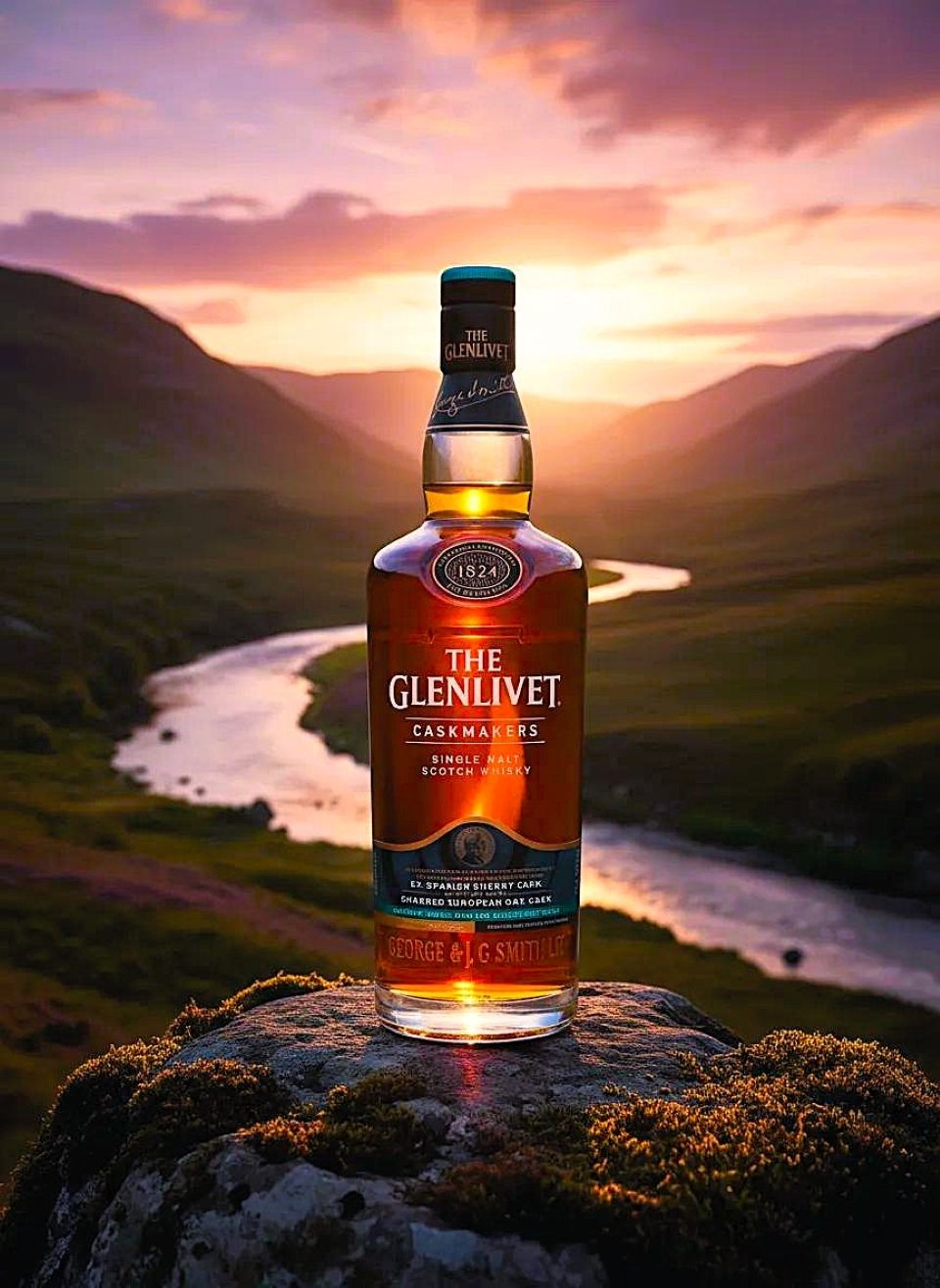
The Glenlivet Single Malt Scotch Whisky
2. The Glenlivet — Elegant, Accessible and Fruit-Led
The Glenlivet has a long-established reputation as one of the defining names in Speyside single malt Scotch whisky. Its range is worth exploring for drinkers who appreciate a polished, fruit-led style. Many of its well-known expressions are associated with orchard fruit, citrus, vanilla and gentle spice. The precise profile varies with the expression and its maturation.
Expressions to explore: The Glenlivet 12 Year Old and 15 Year Old, along with selected older expressions where available.
The 12-year-old is a practical entry point for learning what the distillery offers. The 15-year-old provides an opportunity to explore the effects of a different maturation approach. Older bottlings may appeal to drinkers seeking a more developed and premium presentation.
The Glenlivet is especially useful for those who prefer a whisky that does not rely heavily on smoke or intense sherry influence. Its approachable style can also serve as a reference point when comparing more robust Speyside malts.
Best for: Beginners, fruit-forward whisky fans and drinkers who prefer an elegant, balanced profile.
3. The Macallan — A Benchmark for Sherry-Cask Influence
The Macallan is one of the world’s most prominent premium single malt Scotch whisky brands. Its reputation is strongly associated with carefully selected oak casks, rich maturation character and a portfolio that spans widely distributed expressions and sought-after releases.
Sherry-cask-influenced bottlings are particularly important to the brand’s identity. Depending on the expression, flavour descriptions may include dried fruit, orange, spice, chocolate, oak and sweet richness.
Expressions to explore: The Macallan Sherry Oak range and Double Cask range, depending on current availability.
The Sherry Oak style is worth investigating if you want to explore dried fruit and pronounced oak influence. The Double Cask range offers a different approach to cask maturation and can provide a useful comparison for drinkers learning how oak choices shape whisky.
The Macallan is often positioned in the premium and luxury segments, so buyers should compare bottle size, age statement, release details and price before deciding. A higher price does not automatically mean a whisky will better match an individual’s taste.
Best for: Sherry-cask enthusiasts, premium gifting and collectors who appreciate established luxury whisky brands.
4. The Balvenie — Craft, Honey and Oak
The Balvenie offers a distinctive point of comparison within Speyside. The brand is known for an emphasis on traditional whisky-making practices and a range that explores different cask influences and maturation techniques.
Its style is often associated with honeyed malt, vanilla, gentle spice, oak and rounded fruit. Some expressions are designed to showcase a particular maturation method, making the range useful for understanding the influence of wood on whisky.
Expressions to explore: The Balvenie DoubleWood 12 Year Old and selected older or cask-finished releases.
DoubleWood is a useful example for exploring how different cask stages can shape a single malt. More mature expressions may offer additional layers of dried fruit, spice and oak, although their exact character depends on the bottling. The Balvenie can appeal to drinkers who enjoy a smooth, layered whisky without requiring intense smoke or a strongly wine-like cask profile.
Best for: Drinkers who appreciate honeyed malt, cask influence and a balanced, traditionally styled single malt.
5. Aberlour — Rich, Full-Bodied and Sherry-Influenced
Aberlour is a major name for people who enjoy richer Speyside whisky. Its range includes expressions associated with dried fruit, spice, chocolate, nuts and substantial oak influence. The brand is particularly worth exploring if you want a Speyside malt that feels more intense and warming than a light orchard-fruit-led expression.
Expressions to explore: Aberlour 12 Year Old and A’Bunadh, subject to market availability and current releases.
The 12-year-old is a useful introduction to the house style. A’Bunadh is known for its cask-strength presentation and sherry-cask-led character. Because cask-strength whisky can be significantly stronger than standard bottlings, it is best approached slowly, with water added gradually if desired.
Aberlour can be a good choice for drinkers who enjoy dried fruit, warming spice and a fuller flavour profile. It also illustrates why Speyside should not be reduced to a single light and delicate style.
Best for: Sherry-cask fans, richer whisky styles and experienced drinkers interested in cask-strength releases.
6. Glenfarclas — Traditional Sherry-Cask Character
Glenfarclas is an independent family-owned distillery with a long history in Speyside. It is especially well known among enthusiasts for its traditional approach and range of age-stated single malts. Sherry-cask influence is an important part of the brand’s appeal. Depending on the bottling, the whisky may show dried fruit, nuts, spice, malt and mature oak.
Expressions to explore: Glenfarclas 12 Year Old, 15 Year Old, 21 Year Old and selected older releases.
The 12-year-old is a practical way to discover the producer’s style. The 15-year-old may appeal to those looking for a fuller profile, while older expressions offer an opportunity to explore the relationship between age, cask influence and the distillery’s underlying character.
Glenfarclas deserves consideration from drinkers who prefer established, traditional single malt styles rather than heavily marketed novelty releases. As with any older whisky, compare the bottling details and price. Age is one part of the story, not a universal measure of quality.
Best for: Traditional Scotch enthusiasts, sherry-cask fans and drinkers exploring age-stated single malts.
7. The GlenAllachie — Modern Interest in Cask Character
The GlenAllachie has become a notable name among enthusiasts interested in cask-led Speyside whisky. Its range is worth examining for expressions that emphasise sherry influence, oak character and rich, layered flavour.
Depending on the bottling, the style may feature raisins, dark fruit, chocolate, cinnamon, nuts and malt. The producer’s range can also include different cask types and limited releases, so individual bottle details matter.
Expressions to explore: The GlenAllachie 12 Year Old and selected cask-strength or limited releases.
The 12-year-old can serve as an introduction to the brand. Cask-strength bottlings may be more intense, making them particularly interesting for experienced whisky drinkers who want to explore flavour with the option of adjusting the strength with water. The GlenAllachie is a useful brand for readers who want to look beyond the most familiar international labels and compare more focused cask expressions.
Best for: Enthusiasts who enjoy rich flavour, cask experimentation and exploring less mainstream options.
8. The Glen Grant — Bright Fruit and Aromatic Elegance
The Glen Grant is a Speyside distillery known for an aromatic style often associated with orchard fruit, floral notes and a clean, elegant profile. Its official collection includes a broad range of age-stated expressions. The producer describes its 12-year-old with apple pie, caramel and almond notes, while the 15-year-old is associated with spiced pear, toffee and apricot marmalade.
Expressions to explore: The Glen Grant 10 Year Old, 12 Year Old and 15 Year Old, depending on market availability.
The 10-year-old is worth considering for a relatively approachable introduction to the distillery. The 12-year-old offers another perspective on fruit and caramel, while the 15-year-old may appeal to those seeking a richer fruit profile and warming spice.
The Glen Grant is a useful alternative for buyers who prefer aromatic whisky over a heavily sherried style. It also provides a good illustration of the diversity of Speyside distillery character.
Best for: Fans of orchard fruit, aromatic malt and elegant whisky profiles.

Tamdhu Speyside Single Malt ScotchWhisky
9. Tamdhu — A Specialist in Sherry-Cask Maturation
Tamdhu is particularly relevant for drinkers who want to explore sherry-cask-matured Speyside whisky. The distillery’s official range highlights maturation in sherry-seasoned oak, including European oak expressions. Its portfolio includes age-stated bottlings and limited releases.
Expressions to explore: Tamdhu 12 Year Old, 15 Year Old and selected limited releases, subject to current availability.
Tamdhu is a useful brand for comparing sherry-cask influence across different age statements. Depending on the expression, drinkers may encounter dried fruit, raisins, nuts, spice and rich oak. Its focus can appeal to people who already know they enjoy sherry-matured whisky and want to explore a producer whose identity is closely tied to that style.
Before buying a limited release, check the exact bottling, cask information, alcohol strength and market price. The name of a cask type alone does not tell the whole story of how the whisky will taste.
Best for: Sherry-cask enthusiasts and drinkers who enjoy comparing oak influence.
10. Benriach — A Wide Spectrum of Speyside Styles
Benriach is an especially interesting producer because its range includes both peated and unpeated whiskies, as well as expressions that explore different cask types. The distillery describes its heritage as including classic unpeated, peated and triple-distilled styles, alongside a broad selection of maturation approaches.
Expressions to explore: Benriach The Original Ten, The Twelve and selected Smoky expressions, depending on current availability.
The Original Ten is a useful starting point for exploring the distillery’s core style. The Twelve offers a different maturation profile, while the Smoky expressions introduce a more noticeable smoky dimension. Benriach is a strong option for people who want to challenge their assumptions about Speyside. It demonstrates that a single region can include different production traditions and flavour directions.
For those who enjoy both fruit and smoke, a peated Benriach bottling may provide an appealing middle ground between a classic unpeated Speyside malt and a more intensely smoky Scotch.
Best for: Curious drinkers, fans of contrasting cask styles and people interested in both peated and unpeated whisky.
11. Benromach — Speyside with a Hint of Smoke
Benromach offers a distinctive interpretation of Speyside single malt. Rather than relying solely on the region’s familiar fruity and honeyed associations, the distillery highlights a style combining rich fruit, malt and a delicate smoky character. Its published range includes age-stated expressions such as the 10, 12 and 15 Year Olds.
Expressions to explore: Benromach 10 Year Old, 12 Year Old and 15 Year Old.
The 10-year-old is an accessible way to investigate the distillery’s balance of fruit, creamy malt and gentle smoke. The 12-year-old brings a richer fruitcake and spice profile, while the 15-year-old is associated with dark chocolate, pepper and soft smoke.
Benromach can be an excellent choice for drinkers who enjoy a little smoky complexity without necessarily seeking the most heavily peated whiskies available.
Best for: Whisky drinkers seeking fruit, malt, pepper and restrained smoke in one glass.
12. Cardhu — Approachable and Smooth
Cardhu is a long-established Speyside name with a reputation for an approachable, rounded style. It can be a useful choice for people who prefer a gentle introduction to single malt Scotch without a pronounced smoky or heavily tannic profile.
Depending on the expression, the flavour may include honey, fruit, malt and soft spice. Its lighter, accessible style can make it suitable for relaxed sipping or for introducing a new whisky drinker to the region.
Expressions to explore: Cardhu 12 Year Old and selected special releases, where available.
The 12-year-old is a logical starting point for comparing Cardhu with other approachable Speyside malts. More specialised releases can provide additional ways to explore the distillery’s character. When considering Cardhu, focus on the flavour profile and intended occasion rather than assuming that a familiar brand name guarantees a particular level of complexity.
Best for: Newcomers, casual sipping and drinkers who prefer a softer whisky style.
13. Cragganmore — Balanced, Layered and Subtle
Cragganmore is a Speyside distillery worth investigating if you appreciate a whisky that is more about layers and balance than sheer intensity. Its style is often described in terms of malt, fruit, floral notes, herbs and gentle smoke or spice, depending on the bottling. This can make it an interesting comparison with sweeter, more overtly sherry-influenced expressions.
Expression to explore: Cragganmore 12 Year Old, subject to current availability.
The 12-year-old is a useful starting point for exploring the distillery’s character. It may appeal to drinkers who prefer complexity that develops gradually rather than a dominant flavour such as heavy vanilla, dark chocolate or pronounced peat.
Cragganmore is also a reminder that whisky appreciation is subjective. A restrained, balanced expression can be just as rewarding as a richer, higher-strength bottling, depending on personal preference.
Best for: Drinkers who value subtlety, balance and layered flavour.
14. Mortlach — Robust and Distinctive
Mortlach stands out among Speyside distilleries for its robust, distinctive style. It is often associated with weightier malt character, savoury notes, dark fruit, spice and substantial texture. That profile can make Mortlach a useful contrast with lighter and more delicate Speyside whiskies. It may appeal to people who enjoy a whisky with presence and a more assertive character.
Expressions to explore: Mortlach 12 Year Old and selected older or limited bottlings, depending on availability.
The 12-year-old can be a practical introduction to the distillery. Older or more specialised releases may appeal to enthusiasts who want to investigate additional depth and cask influence.
Because Mortlach’s style can be more robust than some regional stereotypes suggest, it is worth approaching it with an open mind. It may be a good fit for someone who enjoys full-bodied whisky but does not necessarily want heavy peat smoke.
Best for: Experienced drinkers and fans of robust, savoury or full-bodied single malts.

A selection of Speyside single malt Scotch whisky bottles representing established distilleries and distinctive whisky styles.
15. The Glenrothes — Fruit, Spice and Cask Influence
The Glenrothes is another Speyside producer worth considering for its fruit-led character and attention to maturation. Depending on the bottling, the range can offer a combination of orchard fruit, citrus, vanilla, spice and oak. The brand has released whiskies with different age statements and bottling presentations, so buyers should examine the exact expression rather than generalise across the entire portfolio.
Expressions to explore: Current age-stated and vintage-labelled releases where available.
The Glenrothes can be interesting for drinkers who like to compare how fruit and oak develop across different bottlings. A vintage-labelled whisky identifies the year the whisky was distilled, but the complete bottling details still matter when comparing products.
When shopping, pay attention to the age statement if present, bottling date, cask information and alcohol strength. These details provide a more reliable basis for comparison than packaging alone.
Best for: Drinkers who appreciate fruit, oak and exploring different bottlings from one distillery.
16. Speyburn — An Accessible Everyday Option
Speyburn is a useful name to consider when exploring Speyside beyond its most famous luxury labels. Its range includes single malts that can provide an accessible way to experience the region’s fruit, malt and gentle spice characteristics.
Expressions to explore: Speyburn 10 Year Old and other current core-range bottlings.
The 10-year-old can serve as a practical starting point for someone who wants to compare Speyside whiskies without beginning with a highly expensive bottle. Depending on the expression, the profile may lean toward fresh fruit, vanilla, malt and soft spice.
Speyburn is also a reminder that a whisky does not need to carry a premium price tag or an elaborate presentation to be worth investigating. A bottle’s suitability depends on its character, price and the preferences of the person drinking it.
Best for: Value-conscious buyers and drinkers building their knowledge of Speyside.
17. Knockando — Gentle, Mature and Traditionally Styled
Knockando is a Speyside name associated with a softer, approachable style. Its releases can be useful for drinkers who prefer malt, fruit, vanilla and gentle oak rather than heavy smoke or pronounced sherry richness. The brand has offered age-stated single malts, although availability and bottling details can vary by market.
Expressions to explore: Current Knockando age-stated releases where available.
Knockando may appeal to drinkers looking for a quieter, less forceful whisky profile. It is also worth considering as a comparison bottle when exploring the range of textures and intensities found across Speyside. As with any whisky, the best way to decide whether it suits you is to examine the specific bottling and, when practical, try a small pour before committing to a full bottle.
Best for: Drinkers who prefer a gentler, traditionally styled single malt.
18. Craigellachie — A More Unconventional Speyside Character
Craigellachie offers a distinctive alternative to the region’s lighter, fruit-led expressions. Its whiskies are often associated with a robust malt character, savoury notes, tropical fruit and a weightier texture, depending on the bottling.
Expressions to explore: Craigellachie 13 Year Old and selected older releases, subject to availability.
The 13-year-old is a useful introduction to the brand. It may appeal to drinkers who want a Speyside whisky that feels less conventional and more assertive than a delicate orchard-fruit style.
Craigellachie is a good example of why regional labels should be treated as geographical context rather than a promise of identical flavour. The region’s distilleries use different production methods and create spirits with their own identities.
Best for: Curious enthusiasts and drinkers seeking a more robust, individualistic Speyside malt.
19. Longmorn — A Name for Whisky Enthusiasts
Longmorn is a Speyside distillery with a reputation among enthusiasts for rich, fruity and malty spirit. Its single malt bottlings may be less familiar to casual consumers than the most heavily marketed brands, but the distillery is worth knowing when exploring the region in greater depth.
Expressions to explore: Official Longmorn bottlings and reputable independent releases, where available.
Longmorn’s availability can be less predictable than that of widely distributed core-range whiskies. Independent bottlings may differ significantly in age, cask selection, strength and flavour, so the bottler’s description and label details are particularly important. For buyers who enjoy discovering less obvious names, Longmorn can be an opportunity to move beyond the most familiar Speyside labels.
Best for: Enthusiasts, independent-bottling explorers and collectors seeking variety.
20. Tomintoul — A Gentle Approach to Speyside
Tomintoul is often associated with a softer and more approachable style of Speyside single malt. Its range provides an option for drinkers who prefer a smoother, less aggressive profile. Depending on the expression, flavours may include malt, vanilla, honey, orchard fruit and gentle spice. The brand also offers expressions that allow buyers to explore different age statements and styles.
Expressions to explore: Tomintoul 10 Year Old and selected older or specialised bottlings, subject to availability.
The 10-year-old is a reasonable place to begin if you are interested in a gentle introduction to the distillery. Other expressions can provide a wider view of the producer’s approach. Tomintoul is worth comparing with more assertive Speyside whiskies such as Mortlach or Craigellachie. The contrast can help clarify whether you prefer a lighter, gentler malt or a fuller, more robust style.
Best for: Newcomers, relaxed sipping and drinkers who prefer a softer whisky profile.
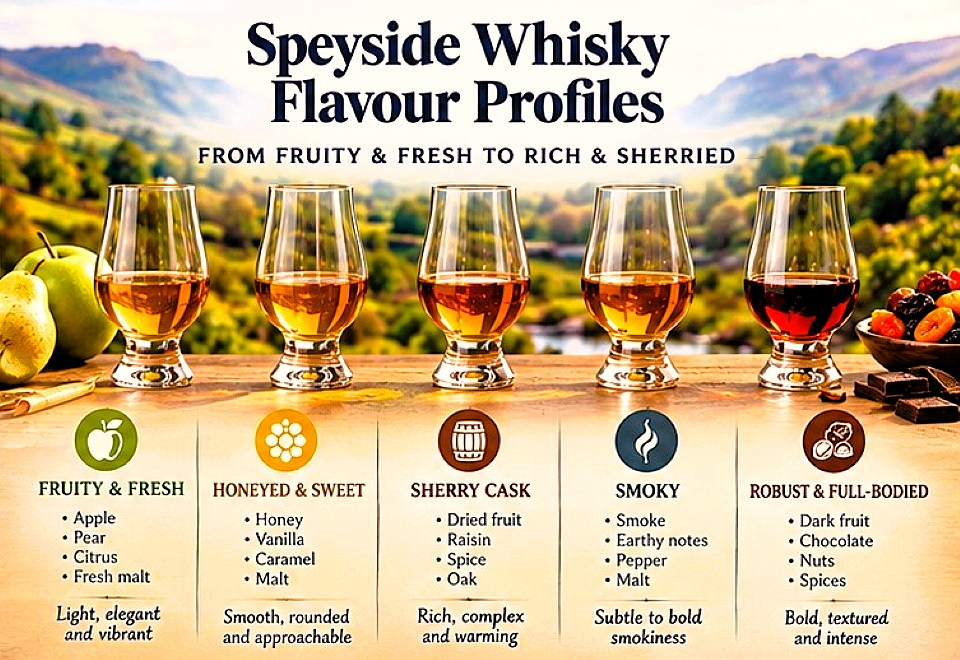
Speyside whisky tasting glasses illustrating fruity, honeyed, sherry-cask, smoky and full-bodied flavour profiles.
5. Best Speyside Whiskies by Flavour Profile
Choosing a whisky by flavour preference is often more useful than relying on a simple ranking. The following guide can help narrow the options.
Best for beginners
Consider Glenfiddich 12 Year Old, The Glenlivet 12 Year Old, The Balvenie DoubleWood 12 Year Old or Cardhu 12 Year Old. These are useful starting points for exploring approachable single malt styles. Compare their fruit, sweetness, oak and spice rather than assuming that all entry-level Speyside whiskies taste the same.
Best for sherry-cask lovers
Consider The Macallan Sherry Oak range, Aberlour, Glenfarclas and Tamdhu. These producers are useful places to begin if you enjoy dried fruit, nuts, baking spices and pronounced oak influence. Check the exact expression and cask information before buying because each brand’s range includes different styles.
Best for fruit-forward whisky
Consider The Glenlivet, Glenfiddich and The Glen Grant. These are sensible names to investigate if you enjoy apple, pear, citrus and other orchard-fruit characteristics. Individual expressions vary, but the brands provide useful points of comparison.
Best for smoky Speyside whisky
Consider Benromach and selected peated Benriach expressions. These offer an opportunity to explore smoke within a Speyside context. The level of smoke differs by expression, so check product descriptions before purchasing.
Best for richer, more robust character
Consider Mortlach, Craigellachie and selected Aberlour bottlings. These may appeal to drinkers who prefer a more assertive texture, fuller malt character, savoury notes or substantial cask influence.
Best for premium gifting
The Macallan, The Balvenie, Glenfiddich and Glenfarclas all offer bottles that may suit gifting, depending on the selected expression and budget.
For a gift, consider the recipient’s preferred flavour style, whether they enjoy age-stated whisky, and whether the bottle is intended for drinking or collecting. A well-matched bottle is often a better gift than the most expensive option.
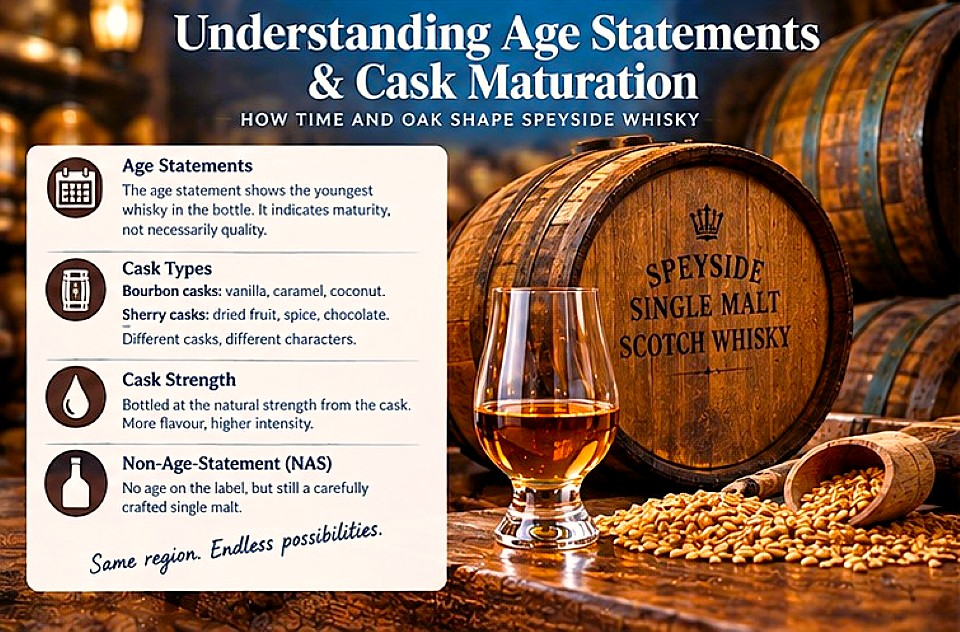
A glass of Scotch whisky beside oak maturation casks illustrating age statements, cask types and whisky maturation.
6. Understanding Age Statements and Cask Maturation
Two of the most important details on a single malt Scotch whisky label are its age statement and its maturation information.
What does a whisky age statement mean?
An age statement refers to the youngest whisky in the bottle. If a bottle is labelled 12 years old, the whisky in that bottle has been matured for at least 12 years. A bottle may contain whisky from several casks of different ages, but if it carries an age statement, the youngest whisky must meet that stated age.
Age can contribute to complexity, texture and oak influence, but it is not a universal quality ranking. A younger whisky with excellent cask selection and a well-balanced spirit may be more enjoyable to a particular drinker than an older bottling.
What is the difference between bourbon casks and sherry casks?
Ex-bourbon casks often contribute flavours associated with vanilla, caramel, coconut and gentle spice. Their influence depends on the oak, the cask’s previous use and the spirit being matured.
Sherry-seasoned casks can contribute dried fruit, nuts, orange peel, chocolate and richer spice. European oak and American oak may influence the spirit differently, and the result varies by cask and maturation conditions.
Neither type is automatically better. Some drinkers prefer the freshness and vanilla character associated with bourbon-cask maturation; others prefer the richness of sherry-cask influence. Many whiskies combine several cask types to create balance and complexity.
What is cask-strength whisky?
Cask-strength whisky is bottled at a strength intended to retain more of the alcohol level present after maturation, rather than being reduced to a lower standard bottling strength. The exact meaning and presentation can vary by producer and bottling.
Cask-strength whisky can deliver intense flavours, but higher alcohol strength does not automatically indicate higher quality. If you choose one, pour a small measure and consider adding a little water gradually to explore how the aroma and flavour change.
What does a non-age-statement whisky mean?
A non-age-statement whisky, often abbreviated as NAS, does not display a numerical age statement on the label. It can still be a carefully constructed single malt.
Producers may use different ages and casks to create a particular flavour profile. When comparing NAS and age-stated bottles, consider the producer’s stated style, cask information, strength, price and your own preferences rather than treating the absence of an age statement as a defect.
7. How to Choose the Right Speyside Single Malt
The best Speyside whisky is the one that suits your taste, budget and intended occasion. Use the following considerations to narrow your choices.
Start with the flavour you enjoy
If you like fresh fruit and a lighter profile, begin with a fruit-forward expression. If you enjoy dried fruit, chocolate and spice, look at sherry-cask-influenced bottlings. If you like smoke, explore Benromach or peated Benriach. This approach is more reliable than selecting a bottle based solely on brand recognition.
Consider your budget
Speyside whisky ranges from relatively accessible everyday bottles to premium age-stated releases and collectible limited editions. Decide on your budget before comparing options. A higher price can reflect age, rarity, packaging, demand or production choices, but it does not guarantee a better match for your palate.
Read the complete label
Check the distillery, expression name, age statement if present, alcohol strength, bottle size and any cask information. Limited releases and independent bottlings may have details that are important to the whisky’s character. If you are buying a collectible bottle, also check its condition, provenance and the reliability of the seller.
Choose for the occasion
For a casual evening, an approachable core-range single malt may be ideal. For a special occasion, you might choose a more mature expression or a distinctive cask release. For a gift, consider what the recipient already enjoys. The most expensive bottle is not necessarily the most suitable one.
Compare before committing
If practical, compare small pours of two or three whiskies with different profiles. A fruit-forward malt, a sherry-cask expression and a lightly peated whisky can reveal more about your preferences than reading tasting notes alone. Keep notes on the aroma, texture, flavour and finish. Over time, this can help you identify which distilleries and maturation styles you prefer.

A Speyside single malt Scotch whisky bottle and tasting glass overlooking a Scottish landscape, illustrating whisky serving and enjoyment.
8. How to Serve and Enjoy Speyside Whisky
Speyside single malt can be enjoyed in several ways, and there is no single correct serving ritual.
Choose a suitable glass
A tulip-shaped whisky glass or a nosing glass can help concentrate aromas. A standard whisky tumbler is also perfectly suitable if that is what you prefer. The glass matters less than taking time to notice the aroma and flavour.
Begin with a small neat pour
Start with a modest pour at room temperature. Allow the whisky to rest briefly, then smell gently rather than placing your nose too close to the glass. Take a small sip and notice the progression from the initial flavour through the middle palate to the finish. Look for fruit, malt, vanilla, spice, oak, nuts or smoke.
Add water if you like
A few drops of water can change the aroma and perceived intensity of a whisky. This is particularly useful with higher-strength bottlings, though the effect differs from one whisky to another. Add water gradually and compare the whisky before and after. There is no need to follow a fixed number of drops.
What about ice?
Ice is a matter of preference. It chills the whisky and can reduce the intensity of aromas, while gradual dilution changes the flavour over time. If you enjoy whisky chilled, it is reasonable to serve it that way. For a first comparison between two single malts, however, tasting small pours neat before adding ice or water can make differences easier to identify.
Store bottles correctly
Keep whisky bottles upright, away from direct sunlight and large temperature fluctuations. Unlike wine, whisky should generally not be stored on its side because prolonged contact between high-strength spirit and the cork can damage it.
Once opened, a bottle will gradually interact with air in the headspace. Store it well sealed and away from heat and light. The rate of change depends on several factors, including how much whisky remains in the bottle.
9. Food Pairings for Speyside Single Malt Scotch
Food pairing can highlight different elements of a whisky. The following combinations are starting points rather than strict rules.
| Speyside whisky style | Foods to try | Why the pairing can work |
|---|---|---|
| Light, fruity and floral | Mild cheeses, fresh apple, pear, almonds | Complements delicate fruit and malt notes |
| Honeyed and vanilla-led | Shortbread, crème brûlée, toasted nuts | Echoes caramel, vanilla and gentle sweetness |
| Sherry-cask-rich | Dark chocolate, dried fruit, mature hard cheese | Matches deeper fruit, spice and oak character |
| Robust and full-bodied | Roast beef, aged cheddar, savoury nuts | Stands up to richer and more savoury flavours |
| Lightly peated | Smoked almonds, grilled mushrooms, mature cheese | Connects the whisky’s smoke with savoury notes |
Chocolate and whisky
Dark chocolate can pair well with richer Speyside malts, particularly those with dried fruit and spice characteristics. Try a small piece alongside a small sip, and notice whether the chocolate enhances or overwhelms the whisky.
Cheese and whisky
Mature cheddar and other firm, aged cheeses can work well with fuller-bodied single malts. Milder cheeses may suit lighter, fruitier expressions. Salt, fat and texture can alter how a whisky is perceived, so experimentation is useful.
Desserts and sweeter expressions
Shortbread, caramel desserts and dried-fruit puddings can complement whiskies with honey, vanilla and sherry-cask notes. Choose a dessert that does not overpower the whisky’s aroma.
Savoury dishes
Robust Speyside malts may pair well with roast meat, grilled mushrooms and other savoury foods. A lightly peated whisky can add another dimension to dishes with smoky or earthy flavours. Serve food and whisky in moderation, and remember that pairing preferences are personal. You do not need elaborate dishes to appreciate a good single malt.
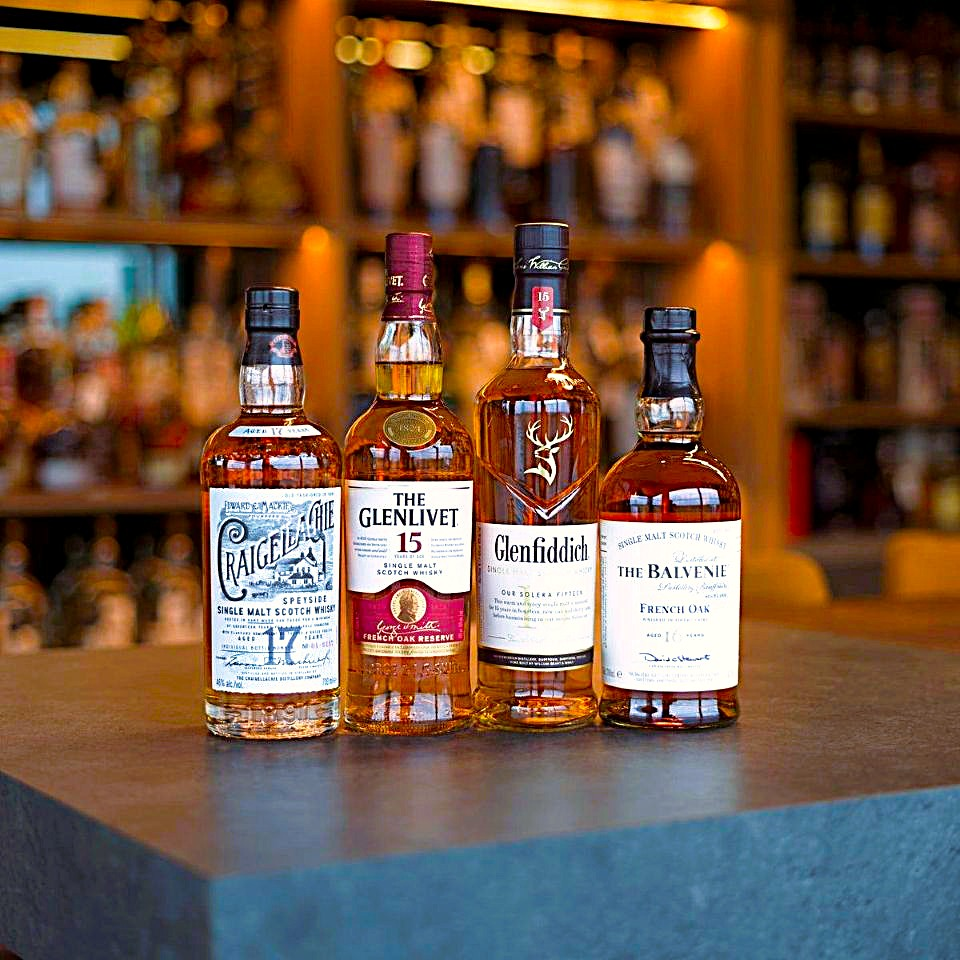
speyside-single-malt-scotch whisky-brands
10. Speyside Whisky: Frequently Asked Questions
What are the best Speyside single malt Scotch whisky brands?
Well-known brands include Glenfiddich, The Glenlivet, The Macallan, The Balvenie, Aberlour, Glenfarclas, GlenAllachie, Glen Grant, Tamdhu, Benriach, Benromach, Cardhu, Cragganmore, Mortlach and The Glenrothes. The best choice depends on whether you prefer fruit, honey, sherry-cask richness, smoke or a more robust profile.
What is the smoothest Speyside whisky?
“Smooth” is subjective and can refer to a whisky’s texture, alcohol intensity, sweetness or overall balance. Approachable expressions from Glenfiddich, The Glenlivet, The Balvenie and Cardhu may be useful starting points, but the best option depends on individual taste.
Is Speyside whisky sweet?
Many Speyside whiskies have fruit, honey, vanilla or malt characteristics that can be perceived as sweet. However, sweetness varies significantly. Some expressions are dry, spicy, savoury, smoky or strongly influenced by oak.
Is Speyside whisky smoky?
Some Speyside single malts are smoky, but many are unpeated or only lightly smoky. Benromach and selected Benriach expressions are worth exploring if you want to investigate smoke within the region.
What is the difference between Speyside and Islay whisky?
Speyside is commonly associated with fruit, honey, malt and a wide range of cask influences. Islay is particularly famous for many whiskies with pronounced peat smoke, maritime notes or medicinal character, although both regions contain variation. These are broad regional tendencies, not rules that define every bottle.
Is Speyside part of the Highlands?
Geographically, Speyside lies within the broader Highland area, but it is recognised separately as one of the five principal Scotch whisky regions. The regional designation can be used for whisky distilled in the relevant area under the applicable rules.
Does older Speyside whisky always taste better?
No. Age can change a whisky’s flavour and texture, but quality depends on the spirit, cask, maturation conditions and bottling decisions. A younger whisky may be more enjoyable to a particular person than an older one.
What is a good Speyside whisky for a gift?
Glenfiddich, The Glenlivet and The Balvenie offer recognisable options for many recipients. The Macallan, Glenfarclas and other producers also have premium expressions. Consider the recipient’s taste, the bottle’s exact expression and your budget rather than choosing by price alone.
How should Speyside single malt be served?
Many people enjoy it neat in a small pour, but adding a little water or ice is also a matter of personal preference. A tulip-shaped glass can help concentrate aromas, and tasting slowly makes it easier to notice different flavours.
Can Speyside whisky be used in cocktails?
Yes. Although many single malts are enjoyed neat, some can be used in whisky cocktails. A lighter, fruit-forward Speyside malt may work in a Whisky Highball or a Scotch-based variation on a classic cocktail. For a premium or older bottle, many drinkers prefer to enjoy it on its own so they can appreciate its individual character.
What is the difference between single malt and blended Scotch?
Single malt Scotch comes from one distillery and is made from malted barley. Blended Scotch combines different Scotch whiskies, which may include malt whisky and grain whisky, to create a particular house style. Neither category is inherently superior; they serve different purposes and offer different flavour experiences.
Where can I find Speyside whisky in Toronto?
Availability changes by producer, expression and retailer. Check current listings from authorised Canadian retailers and the relevant provincial retail channels, and verify the exact bottle, size and alcohol strength before buying. If shopping through Always Dial A Bottle Toronto, link readers to the relevant published whisky category or product page only when that item is actually listed and available.

Speyside Single Malt Scotch Whisky-Testing and Discovery
11. Final Thoughts: Discovering the Best of Speyside
Speyside offers one of the most rewarding ways to explore single malt Scotch whisky because it combines familiar, approachable styles with an impressive range of more specialised expressions.
Glenfiddich and The Glenlivet provide accessible introductions to the region. The Macallan, Aberlour, Glenfarclas and Tamdhu are worth exploring for sherry-cask influence. The Balvenie offers an interesting perspective on cask maturation and rounded malt character, while Glen Grant is a strong option for aromatic, fruit-led whisky.
For something different, Benromach and selected Benriach expressions show that Speyside can include smoke as well as fruit. Mortlach and Craigellachie provide useful alternatives for drinkers who prefer a more robust character, while producers such as Longmorn, Knockando, Speyburn and Tomintoul broaden the selection beyond the most internationally familiar names.
The most effective way to choose a bottle is to start with the flavours you enjoy, compare the specific expressions available to you and treat age, price and brand reputation as useful information rather than absolute measures of quality.
Whether you are buying a first single malt, looking for a thoughtful gift or expanding an established collection, Speyside has plenty to explore.
For readers in Toronto and the Greater Toronto Area, the next step is to browse the relevant whisky listings on Always Dial A Bottle Toronto, compare the available expressions and choose a bottle that suits the occasion and your preferred style.