
Blog
The Best Highland Single Malt Scotch Whisky Brands: 20 Exceptional Whiskies to Discover


The Best Highland Single Malt Scotch Whisky Brands: 20 Exceptional Whiskies to Discover
Discover the best Highland single malt Scotch whisky brands, from Glenmorangie and The Dalmore to Oban, Clynelish and Old Pulteney. Explore distinctive flavour profiles, recommended expressions, whisky-making traditions, food pairings and expert buying tips in this comprehensive guide to Highland Scotch whisky.
Table of Contents
-
-
- Introduction: Why Highland Single Malt Scotch Whisky Stands Out
- What Is Highland Single Malt Scotch Whisky?
- What Makes Highland Whisky Different?
- The 20 Best Highland Single Malt Scotch Whisky Brands
- Glenmorangie
- The Dalmore
- Oban
- Clynelish
- Old Pulteney
- Highland Park
- Talisker
- Aberfeldy
- Dalwhinnie
- Deanston
- Glengoyne
- Royal Lochnagar
- Ben Nevis
- Ardmore
- Tomatin
- Balblair
- Edradour
- The Glendronach
- anCnoc
- Glen Garioch
- Highland Whisky Flavour Profiles Compared
- Highland Single Malt vs Speyside, Islay and Lowland Whisky
- How Highland Single Malt Scotch Whisky Is Made
- Understanding Age Statements and Cask Maturation
- How to Choose the Best Highland Whisky for Your Taste
- Highland Whisky and Food Pairing Guide
- How to Serve and Store Highland Single Malt Scotch Whisky
- Are Highland Single Malts Good Gifts?
- Frequently Asked Questions
- Final Thoughts
-
1. Introduction: Why Highland Single Malt Scotch Whisky Stands Out
Scotland is home to some of the world’s most admired whiskies, and Highland single malt Scotch whisky occupies a particularly fascinating place in this heritage. Known for its remarkable diversity, the Highland region offers whiskies for newcomers, experienced enthusiasts, collectors and anyone searching for a memorable bottle to share on a special occasion.
Unlike regions commonly associated with a more recognisable house style, the Highlands encompass an extraordinary range of landscapes, distilleries and whisky-making traditions. Some Highland single malts are elegant and floral, with citrus, orchard fruit and gentle vanilla. Others deliver honeyed sweetness, rich dried fruit, warming spices, coastal salinity or pronounced smoke.
That variety makes the Highlands an excellent starting point for discovering single malt Scotch whisky. Someone who enjoys light, approachable spirits may appreciate the citrus-led character of Glenmorangie, while a drinker who prefers richer, sherry-influenced whisky might gravitate towards The Dalmore or The Glendronach.
Those who enjoy maritime flavours may find Oban, Clynelish or Old Pulteney particularly appealing. Highland whisky also demonstrates how much influence a distillery’s production methods and cask selection can have on the final spirit. Two bottles from the same region can taste remarkably different, even when they share similar age statements.
In this guide, we explore 20 noteworthy Highland single malt Scotch whisky brands, highlighting their identities, characteristic styles and expressions worth investigating. We also explain how to compare bottles, understand maturation, select a whisky for different occasions and serve it to bring out its aromas.
For readers exploring whisky in Toronto and the Greater Toronto Area, the guide offers a practical framework for evaluating bottles before checking current product availability and local delivery options.
2. What Is Highland Single Malt Scotch Whisky?
Highland single malt Scotch whisky is whisky distilled at a single distillery in Scotland from water and malted barley, using batch distillation in copper pot stills, and meeting the legal requirements for Scotch whisky.
The Scotch Whisky Association explains that Scotch whisky must be distilled and matured in Scotland for at least three years in oak casks, bottled in Scotland, and bottled at a minimum alcoholic strength of 40% ABV. Single malt Scotch whisky must be produced at one distillery from malted barley and water, without other cereals being added to the mash. See the Scotch Whisky Association’s guide to single malt Scotch whisky.
The term single malt does not mean that a bottle contains whisky from only one cask. A distillery may combine whisky from several casks to create a consistent house style or a particular release. The term identifies the single distillery of production, not a single barrel.
Similarly, Highland identifies the whisky’s recognised geographical region, not a guarantee that the spirit will taste a particular way. Highland malts can be fruity, sweet, spicy, smoky, coastal, delicate or full-bodied.
Where is the Highland whisky region?
The Highland whisky region covers a large part of Scotland and, under the traditional regional classification, includes many island distilleries. Speyside is recognised separately, while Islay, Lowland and Campbeltown are the other principal Scotch whisky regions.
The Scotch Whisky Association describes Highland whisky as exceptionally diverse, encompassing styles from lighter malts to coastal whiskies with a salty character. Its Scotch whisky regions guide provides a useful overview of these regional differences.
The Highlands are not simply a single destination on a map. They encompass distilleries in areas with very different climates, elevations, coastal influences and local traditions. These conditions are part of the broader story of Highland whisky, alongside the decisions made by distillers and maturation teams.
3. What Makes Highland Whisky Different?
The appeal of Highland single malt Scotch whisky comes from its diversity rather than one universal flavour.
Fruit, citrus and floral aromas
Some Highland malts are known for bright fruit and delicate aromas. Depending on the distillery and expression, these can include lemon, orange, apple, pear, peach, blossom and fresh malt.
Glenmorangie is a useful example for readers interested in citrus, vanilla and fruit-forward whisky. Its tall stills are an important part of the distillery’s identity, although the finished character also depends on fermentation, distillation choices, cask maturation and blending of casks within the same distillery.
Honey, vanilla and malt sweetness
Honey, vanilla, caramel and cereal notes occur in many Highland single malts. Oak maturation can contribute vanilla and spice, while the spirit itself provides the foundation for the final flavour. Aberfeldy and Dalwhinnie are often explored by drinkers looking for approachable profiles with honeyed or gentle malt characteristics, although individual expressions differ.
Rich dried fruit and sherry-cask influence
Some Highland distilleries use sherry-seasoned oak casks to create whiskies with richer notes of raisin, fig, orange peel, chocolate, cinnamon and other baking spices. The Dalmore and The Glendronach are two prominent names for drinkers interested in this style. It is important to remember that cask maturation varies by release: not every bottle from a distillery will have the same sherry influence.
Coastal character and maritime notes
Distilleries close to the sea are frequently associated with coastal or maritime sensory profiles. Depending on the whisky, drinkers may encounter mineral impressions, salt-like sensations, fresh citrus, waxy textures or a robust finish.
Oban and Old Pulteney are worth investigating if these qualities appeal to you. Such tasting descriptions refer to sensory impressions; they should not be interpreted as proof that seawater or sea spray is a direct ingredient in the whisky.
Smoke and peat
Peat smoke is another important part of the wider Highland whisky landscape. Some expressions have a distinct smoky character, while many others are lightly peated or not notably smoky at all.
Ardmore is associated with peated Highland malt, while Highland Park and Talisker offer island whisky styles with their own distinctive combinations of smoke, spice and maritime character. The precise level of peat varies by product. The practical lesson is simple: choose Highland whisky by its specific distillery and expression rather than assuming every bottle from the region will taste alike.
4. The 20 Best Highland Single Malt Scotch Whisky Brands
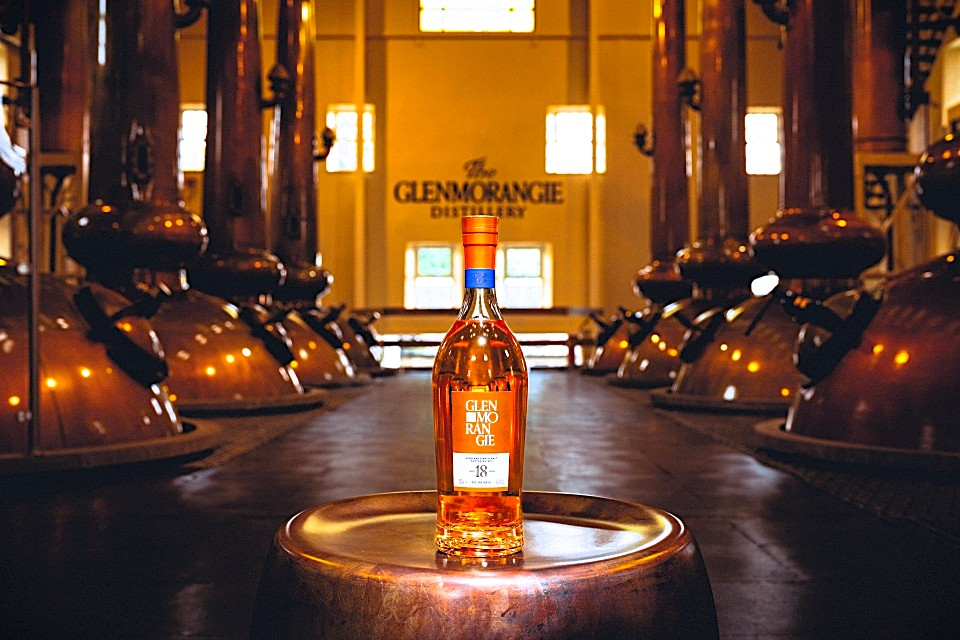
Glenmorangie 18 Year Old, The Infinita
1. Glenmorangie — Elegant, Fruity and Approachable
Glenmorangie is one of the best-known Highland single malt Scotch whisky brands. The distillery, located in Tain, has built a strong identity around elegant spirit, fruit-forward aromas and extensive experimentation with cask maturation.
Its style is particularly appealing to drinkers who enjoy whisky that feels expressive without being overwhelmingly smoky or heavy. Depending on the expression, expect possible notes of citrus, peach, apple, vanilla, honey and gentle spice.
Expressions to explore
-
-
- The Original 10 Years Old: A familiar entry point for exploring Glenmorangie’s classic style, with citrus, fruit and vanilla-led characteristics.
- Lasanta: A sherry-cask-influenced expression that offers a different balance of fruit, sweetness and spice.
- Quinta Ruban: A port-cask-finished whisky associated with richer fruit and chocolate-like notes.
- Signet: A premium expression with a more distinctive flavour profile and a different price position from the core range.
-
Who should try it?
Glenmorangie is worth considering for beginners, fruit-forward whisky enthusiasts and anyone seeking a versatile bottle for relaxed sipping. It can also be an excellent starting point for a comparative tasting because its different cask treatments illustrate how maturation changes whisky character.
Best for: Citrus, orchard fruit, vanilla and an elegant Highland style.
Official website: Glenmorangie
2. The Dalmore — Rich, Luxurious and Cask-Focused
The Dalmore is widely recognised for its premium presentation and richly styled Highland single malts. Based in Alness, the distillery has developed a strong association with carefully selected casks, including sherry-seasoned oak and other cask influences used across its range.
Its whiskies are often explored by drinkers who enjoy a fuller, richer profile. Depending on the expression, aromas and flavours may include orange, dried fruit, chocolate, coffee, cinnamon, nutmeg and polished oak. The Dalmore’s core and premium ranges cover different ages and maturation approaches, so comparing individual bottles is more useful than assuming all expressions share the same intensity.
Expressions to explore
-
-
- The Dalmore 12 Years Old: A recognised introduction to the brand’s rich, cask-influenced style.
- The Dalmore 15 Years Old: A more mature option associated with a layered profile of fruit and spice.
- The Dalmore Cigar Malt Reserve: A distinctive expression marketed for pairing with a cigar, although it can also be enjoyed on its own.
- The Dalmore’s older releases: Premium age-stated and limited editions may appeal to collectors, subject to price, provenance and availability.
-
Who should try it?
The Dalmore is worth considering for experienced whisky drinkers who enjoy richness and complexity, as well as for those shopping for a premium gift. Its higher-priced bottles should be evaluated carefully: price and presentation alone do not establish that a whisky will be more enjoyable to a particular drinker.
Best for: Rich fruit, chocolate-like notes, spice and premium gifting.
Official website: The Dalmore
3. Oban — Coastal, Balanced and Characterful
Oban is a distinctive Highland single malt brand whose distillery sits in the west-coast town of Oban. Its coastal location is an important part of its identity, and its whisky is often described in terms of fruit, malt, gentle smoke and maritime impressions. Oban can appeal to drinkers who want something more savoury or coastal than a very light, sweet malt, without necessarily moving to a heavily peated whisky.
Expressions to explore
-
-
- Oban 14 Years Old: The best-known expression for many drinkers, often associated with orange, malt, sea-spray impressions and gentle smoke.
- Oban Little Bay: A different presentation of the distillery’s house style, with its own maturation and flavour profile.
- Special releases: Limited bottlings can offer a more unusual perspective on Oban’s spirit.
-
The precise flavours depend on the release and the drinker’s palate. A tasting note such as “salty” describes a perceived flavour impression rather than a literal measurement of salt in the whisky.
Who should try it?
Oban is a good candidate for someone who wants a balanced Highland malt with a noticeable coastal identity. It is also a useful bottle for a tasting that compares fruit-forward Highland whiskies with maritime styles.
Best for: Coastal character, orange-like fruit, malt and subtle smoke.
Official website: Oban Scotch Whisky
4. Clynelish — Waxy Texture and Coastal Complexity
Clynelish, located near Brora in Sutherland, is particularly interesting to whisky enthusiasts who pay attention to texture as well as flavour. Its spirit is frequently associated with a waxy mouthfeel, citrus, orchard fruit, mineral impressions and a restrained coastal character.
The term waxy is a sensory descriptor. It refers to a texture or impression on the palate rather than the addition of wax to the whisky. Clynelish is also a valuable example of how distillery character can be distinctive without relying on heavy peat or overt sweetness. Its flavour profile can reward careful, unhurried tasting.
Expressions to explore
- Clynelish 14 Years Old: The best-known reference point for the distillery’s classic character.
- Independent bottlings: Depending on provenance and availability, these can offer different ages, cask strengths and maturation styles.
Independent bottlings vary substantially. Look for the bottler, distillation and bottling dates where supplied, cask details and alcohol strength.
Who should try it?
Clynelish is especially interesting for experienced drinkers who enjoy texture, subtle complexity and less obvious flavour profiles. It may also suit people who find heavily sherried or strongly peated whiskies too intense.
Best for: Waxy texture, citrus, mineral impressions and understated complexity.
5. Old Pulteney — Maritime Character from the North
Old Pulteney is produced in Wick, in the far north of mainland Scotland. Its coastal setting is closely connected with the brand’s identity, and the whisky is often associated with maritime impressions, citrus, honey, malt and spice. It is a useful choice for anyone curious about how location and house style contribute to the diversity of Highland whisky.
Expressions to explore
-
-
- Old Pulteney 12 Years Old: A widely recognised starting point, generally associated with citrus, honeyed malt and coastal character.
- Old Pulteney 15 Years Old: A more mature option with a different balance of oak, fruit and spice.
- Old Pulteney 18 Years Old: A premium age-stated expression, subject to local availability.
-
Age statements do not automatically determine which bottle tastes best. A younger whisky with a style you enjoy may offer greater satisfaction than an older release with a flavour profile that does not suit you.
Who should try it?
Old Pulteney is worth exploring if you enjoy coastal whisky, gentle sweetness and a recognisable northern Highland identity.
Best for: Maritime impressions, citrus, honey and warming spice.
Official website: Old Pulteney
6. Highland Park — Smoke, Heather and Sweetness
Highland Park is produced in Orkney and is commonly discussed among the island single malts associated with the wider Highland regional classification. Its identity combines elements of smoke, sweetness, spice and floral or heather-like impressions.
The brand’s style can be an appealing bridge for drinkers who enjoy both sweeter whisky and the complexity of peat smoke. It is not simply a copy of the more intensely peated Islay style: the balance of flavours differs by expression.
Expressions to explore
-
-
- Highland Park 12 Years Old: A familiar introduction to the brand’s balance of malt, sweetness, spice and smoke.
- Highland Park 15 Years Old: A more mature option with its own combination of cask and distillery character.
- Highland Park 18 Years Old: A premium expression for those seeking a richer and more mature bottling.
-
Check the current release details before buying, as packaging and product ranges change over time.
Who should try it?
Highland Park is worth considering for drinkers who want a measured smoky character alongside sweetness and spice. It is also an interesting bottle for comparative tastings involving Highland, island and Islay malts.
Best for: Balanced smoke, sweetness, spice and island character.
Official website: Highland Park

A selection of Highland single malt Scotch whisky bottles representing different distilleries and whisky styles.
7. Talisker — Peppery, Smoky and Maritime
Talisker is produced on the Isle of Skye. Although often discussed as an island whisky, Skye’s malt is included within the broader Highland regional category under the traditional Scotch whisky regional classification.
Talisker is especially well known for its combination of maritime impressions, peppery spice, smoke and robust flavour. It offers a useful contrast to lighter Highland malts and to whiskies that rely more heavily on sherry-cask richness.
Expressions to explore
-
-
- Talisker 10 Years Old: A classic starting point, often associated with smoke, pepper and coastal notes.
- Talisker Storm: A different expression that emphasises a bold and maritime profile.
- Talisker Distillers Edition: A special maturation approach can create a different balance of sweetness, smoke and spice.
- Older or limited releases: These may interest collectors and experienced enthusiasts, depending on availability and price.
-
Talisker’s character can feel intense to someone who usually drinks delicate, sweet whisky. A small tasting pour is a sensible way to determine whether its style suits your palate.
Who should try it?
Talisker is an excellent candidate for drinkers who like spice, smoke and coastal character. It is also useful for people exploring the transition from Highland and island styles towards more assertively peated whisky.
Best for: Peppery spice, smoke and maritime character.
Official website: Talisker
8. Aberfeldy — Honeyed, Smooth and Approachable
Aberfeldy, located in Perthshire, has a long-established identity within the Highland whisky landscape. Its single malts are often associated with honey, soft fruit, malt and gentle spice.
For readers who find highly smoky or intensely sherried whiskies overwhelming, Aberfeldy can be a useful style to investigate. Its approachable character also makes it a practical option for introducing someone to single malt Scotch.
Expressions to explore
-
-
- Aberfeldy 12 Years Old: A common entry point, with a style often associated with honeyed sweetness and soft fruit.
- Aberfeldy 16 Years Old: A more mature expression that may offer additional oak and spice.
- Older releases: These can provide a more premium option, although current availability and pricing vary.
-
As with every brand, the character of a particular bottle should be assessed from its current product information rather than relying solely on general brand descriptions.
Who should try it?
Aberfeldy is worth considering for newcomers, fans of honeyed flavours and people looking for a relaxed sipping whisky that does not depend on heavy smoke.
Best for: Honey, malt, gentle fruit and a rounded style.
Official website: Dewar’s and Aberfeldy
9. Dalwhinnie — Gentle, Honeyed and Highland
Dalwhinnie is a recognised Highland single malt brand often associated with a gentle, accessible style. Its expressions are commonly described in terms of honey, malt, soft fruit, floral notes and mild spice.
This can make Dalwhinnie a useful contrast to more forceful coastal or smoky malts. It also illustrates an important point: a whisky does not need an assertive flavour profile to be interesting. Balance, texture and subtle aromatic development can be equally rewarding.
Expressions to explore
-
-
- Dalwhinnie 15 Years Old: A well-known reference point for the distillery’s approachable style.
- Distillers Edition and special releases: These may introduce different cask influences or a different balance of sweetness and spice.
-
Who should try it?
Dalwhinnie is worth exploring if you prefer gentle, honeyed whisky and want an alternative to heavily peated or intensely oak-driven styles.
Best for: Honey, soft fruit, malt and gentle spice.
Official website: Dalwhinnie
10. Deanston — Malty, Textured and Characterful
Deanston is a Highland distillery near Doune, known for a range of single malts that often emphasise malt, fruit, vanilla and oak. The brand can appeal to drinkers who appreciate a more direct, spirit-led character rather than an expression dominated by heavy peat. Its range includes different ages and maturation approaches, allowing drinkers to explore how cask selection and time affect the same distillery’s spirit.
Expressions to explore
-
-
- Deanston 12 Years Old: A useful entry point for the distillery’s core style.
- Deanston Virgin Oak: An expression that highlights a particular oak influence.
- Deanston older and special releases: Worth investigating for differences in maturity, cask selection and intensity.
-
When comparing a Virgin Oak expression with an age-stated bottling, remember that the cask treatment is a major variable. The result is not simply a younger or older version of the same flavour.
Who should try it?
Deanston is a strong option for curious whisky drinkers who enjoy malt-forward flavours and want to explore the influence of oak without automatically choosing a heavily sherried bottle.
Best for: Malt, vanilla, fruit and oak-driven variation.
Official website: Deanston
11. Glengoyne — Fruit, Sherry Influence and Gentle Spice
Glengoyne is known for a style that often combines fruit, malt, oak and sherry-cask influence. Its distillery sits close to the geographical boundary traditionally used to distinguish the Highlands from the Lowlands, and its whisky is classified as Highland single malt.
The brand is an interesting option for drinkers who want richness without necessarily seeking a smoky profile. Depending on the expression, flavours may include apple, pear, dried fruit, cinnamon, vanilla and toasted oak.
Expressions to explore
-
-
- Glengoyne 10 Years Old: An approachable introduction to the brand.
- Glengoyne 12 Years Old: A core expression offering another view of the distillery’s balance of fruit, oak and spice.
- Glengoyne 18 Years Old: A more mature option for those seeking additional complexity.
- Older releases: These may be appealing for special occasions, subject to price and availability.
-
Who should try it?
Glengoyne is worth considering for drinkers who enjoy fruit and sherry-cask character but do not necessarily want peat smoke to dominate.
Best for: Orchard fruit, dried fruit, spice and polished oak.
Official website: Glengoyne
12. Royal Lochnagar — Refined, Gentle and Traditional
Royal Lochnagar is a historic Highland distillery near Balmoral. Its single malts are often discussed in terms of restrained fruit, malt, honey and spice rather than overwhelming smoke or intense cask sweetness. The brand may appeal to people who value subtlety and want to explore a more traditional Highland style. As with other distilleries, the exact character depends on the expression and maturation.
Expressions to explore
-
-
- Royal Lochnagar 12 Years Old: A familiar reference point for the brand.
- Special and limited releases: These may be worth investigating for collectors or enthusiasts looking for a less common bottle.
-
Who should try it?
Royal Lochnagar is an option for drinkers who prefer balance and understated complexity. It can also make an interesting addition to a regional tasting where each bottle represents a different interpretation of Highland whisky.
Best for: Gentle malt, fruit, honey and subtle spice.
13. Ben Nevis — Robust, Malty and Distinctive
Ben Nevis is located near Fort William, beneath Scotland’s famous mountain of the same name. The distillery has developed a reputation among enthusiasts for a distinctive, robust spirit that can show malty, fruity, earthy and sometimes waxy or savoury characteristics.
Its whisky can be particularly interesting to drinkers who enjoy characterful spirits rather than a uniformly light or sweet style. Independent bottlings have also helped introduce enthusiasts to a variety of ages and cask treatments.
Expressions to explore
-
-
- Ben Nevis 10 Years Old: A familiar reference point when available.
- Independent bottlings: These can show different dimensions of the distillery’s spirit, although the quality and style depend on the particular cask and bottler.
- Older or limited releases: These can be appealing to collectors but should be assessed carefully for provenance and price.
-
Who should try it?
Ben Nevis is worth investigating if you enjoy robust, less conventional whisky and want to move beyond the most widely marketed single malts.
Best for: Malt, ripe fruit, earthy notes and a substantial character.
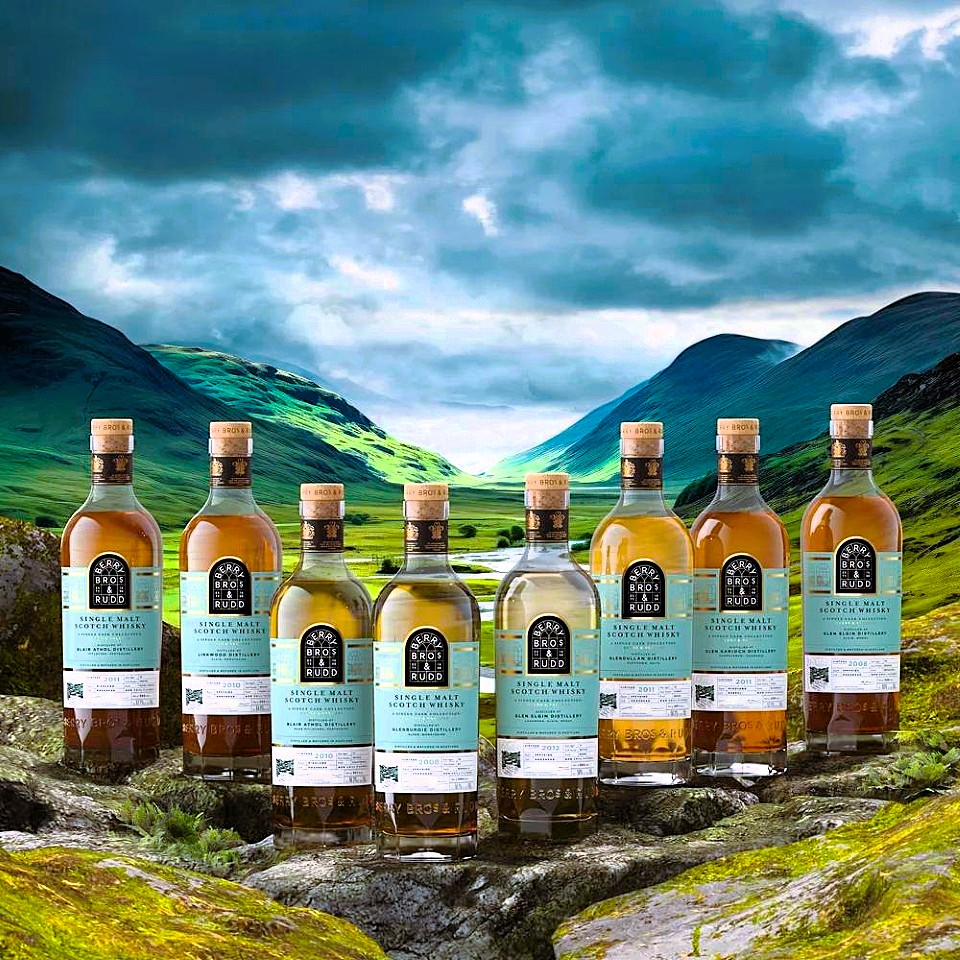
A selection of Highland single malt Scotch whisky bottles
14. Ardmore — A Smoky Highland Single Malt
Ardmore is one of the Highland distilleries worth exploring if you are interested in peat smoke. While many Highland malts are not heavily peated, Ardmore has a long association with peated malt and a smoky character that distinguishes it from more delicate expressions.
Depending on the bottling, drinkers may find smoke alongside cereal, vanilla, spice and fruit. The result can be a useful alternative for someone curious about peat but not yet committed to the most intensely smoky styles.
Expressions to explore
-
-
- Ardmore Legacy: A known entry in the brand’s range.
- Ardmore age-stated or independent releases: These can differ in age, strength and maturation, so consult the specific bottle information.
-
Who should try it?
Ardmore is a sensible choice for people who want to explore smoky whisky while remaining within the Highland category. It can also provide a useful point of comparison with Talisker, Highland Park and peated Islay single malts.
Best for: Peat smoke, malt, spice and a more robust Highland profile.
15. Tomatin — Versatile, Fruity and Accessible
Tomatin is a well-established Highland distillery known for a varied range of single malts. Its expressions can feature orchard fruit, malt, honey, vanilla and spice, with cask-finished releases offering additional dimensions.
The range provides an opportunity to explore how age and maturation change the same distillery’s spirit. For buyers, that variety is useful: there may be a suitable expression for everyday sipping, a more complex bottle for enthusiasts or a special release for gifting.
Expressions to explore
-
-
- Tomatin Legacy: A common starting point for the brand’s style.
- Tomatin 12 Years Old: A familiar age-stated expression.
- Tomatin 14 Years Old: A cask-influenced option associated with a different flavour balance.
- Older age-stated and limited releases: These can offer more mature oak and fruit characteristics.
-
Availability differs across markets, so confirm the current range rather than assuming every expression is stocked locally.
Who should try it?
Tomatin is worth considering for drinkers who want an adaptable Highland malt and enjoy comparing expressions from one producer.
Best for: Fruit, malt, vanilla and cask-driven variety.
Official website: Tomatin
16. Balblair — Elegant, Fruity and Age-Statement Focused
Balblair, located in Tain in the northern Highlands, is known for single malts that often emphasise fruit, malt, spice and oak. The brand has a strong association with age-stated expressions, although the current range can change over time.
Depending on the release, the flavour profile may include apple, pear, citrus, vanilla, dried fruit and warming spices. The balance can be attractive to drinkers who want complexity without a dominant smoky character.
Expressions to explore
-
-
- Balblair 12 Years Old: A useful starting point where available.
- Balblair 15 Years Old: A more mature expression to compare with younger releases.
- Balblair 18 Years Old: A premium age-stated option, subject to local availability.
-
Who should try it?
Balblair is worth considering for people who enjoy fruity, mature Highland whisky and want to compare age statements from one distillery.
Best for: Fruit, malt, oak and warming spice.
Official website: Balblair
17. Edradour — Small-Scale Character and Rich Flavours
Edradour, near Pitlochry, is widely associated with small-scale whisky production and a range that includes both unpeated and peated styles. Its bottlings can be particularly interesting for enthusiasts who enjoy distinctive distillery character and varied maturation approaches.
Some Edradour expressions are associated with rich sherry-cask flavours, while others present different combinations of malt, fruit, oak and smoke. It is therefore worth checking the individual bottle rather than assuming one profile represents the whole range.
Expressions to explore
-
-
- Edradour 10 Years Old: A familiar reference point for the distillery.
- Ballechin: The distillery’s peated whisky line, worth exploring if you prefer a smoky style.
- Sherry-cask and limited releases: These can offer additional variety for enthusiasts.
-
Who should try it?
Edradour is appealing to drinkers who like discovering smaller distilleries, unusual bottlings and the influence of different casks.
Best for: Rich malt, cask variation and the choice of smoky or unpeated styles.
Official website: Edradour
18. The Glendronach — Sherry-Cask Richness and Dried Fruit
The Glendronach is a major name for drinkers who enjoy sherry-influenced Highland single malt Scotch whisky. Its identity is strongly associated with maturation in sherry-seasoned oak casks, which can contribute flavours such as raisin, fig, dark fruit, orange peel, chocolate, cinnamon and nutmeg.
Cask influence is central to understanding this style. Sherry-seasoned oak can shape colour, aroma, texture and flavour, but the finished whisky also reflects the distillery’s spirit, cask history, maturation conditions and the selection of casks for bottling.
Expressions to explore
-
-
- The Glendronach 12 Years Old: A familiar introduction to the brand’s sherry-influenced style.
- The Glendronach 15 Years Old: A more mature expression for those seeking greater depth.
- The Glendronach 18 Years Old: A premium option associated with a richer and more mature profile.
- Older or limited releases: These may appeal to collectors and sherry-cask enthusiasts.
-
Who should try it?
The Glendronach is worth considering if you enjoy rich dried fruit, chocolate-like notes, baking spices and a whisky that pairs well with dark chocolate or desserts.
Best for: Sherry-cask influence, dried fruit, spice and richness.
Official website: The Glendronach
19. anCnoc — Fresh, Fruity and Versatile
anCnoc is the single malt brand produced at Knockdhu Distillery in Aberdeenshire. It is often explored by drinkers who appreciate a relatively approachable balance of fruit, malt, sweetness and spice. Some expressions offer a contrasting peated style.
The name is worth distinguishing carefully: anCnoc is the whisky brand, while Knockdhu is the distillery. This distinction is useful when researching bottles and comparing producer information.
Expressions to explore
-
-
- anCnoc 12 Years Old: A common introduction to the brand’s core style.
- Peated expressions: These offer a different experience for drinkers who want smoke alongside the distillery’s other characteristics.
- Older and special releases: Availability varies by market.
-
Who should try it?
anCnoc is a useful option for drinkers who want to discover a less obvious Highland name or compare a fresh, fruit-led style with richer and smokier whiskies.
Best for: Fresh fruit, malt, gentle spice and style variation.
Official information: Knockdhu Distillery
20. Glen Garioch — Full-Flavoured and Traditionally Highland
Glen Garioch, located in Oldmeldrum in Aberdeenshire, is one of the historic names of Highland whisky. Its expressions can show malt, orchard fruit, spice and substantial texture, with the exact balance varying according to the bottling and cask treatment.
The brand is worth exploring for drinkers interested in the traditional character of northeastern Highland whisky. Its range also demonstrates why regional descriptions should be treated as broad guidance rather than strict rules: individual distilleries develop their own identities within the wider Highland category.
Expressions to explore
-
-
- Glen Garioch 12 Years Old: A familiar reference point where available.
- Older and special releases: These may provide more pronounced maturation character and different cask influences.
-
Who should try it?
Glen Garioch is a good candidate for enthusiasts who enjoy full-flavoured whisky and want to explore a distillery with a distinctive regional history.
Best for: Malt, orchard fruit, spice and a robust Highland profile.
Official website: Glen Garioch
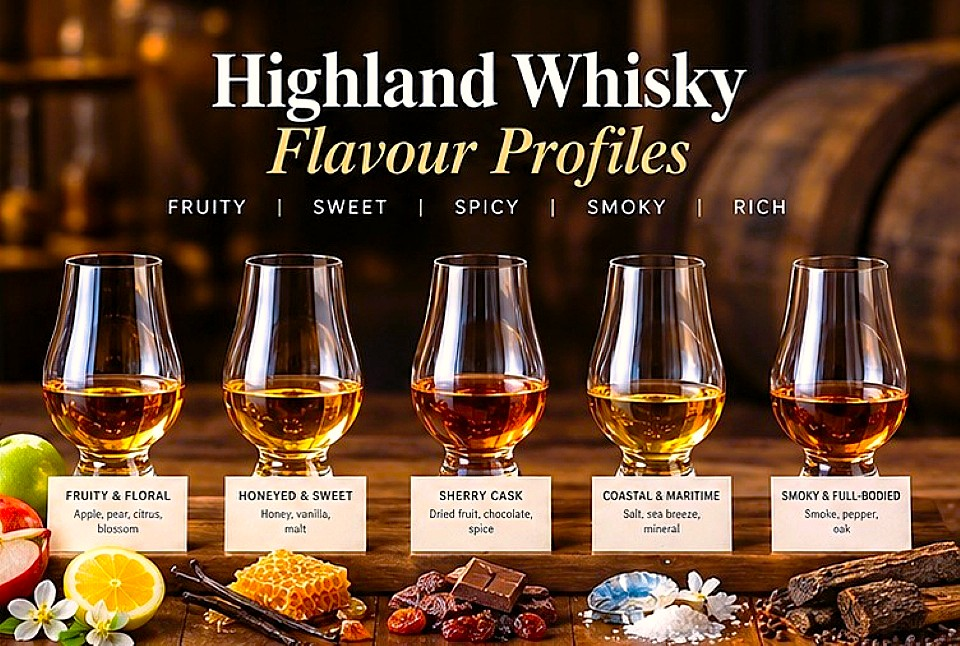
Five glasses of Highland Scotch whisky illustrating fruity, sweet, spicy, smoky and rich flavour profiles.
5. Highland Whisky Flavour Profiles Compared
The table below is a practical starting point for narrowing your choices. It summarises broad brand associations, not guaranteed tasting notes for every expression.
| Brand | Broad style to explore | A good starting point |
|---|---|---|
| Glenmorangie | Citrus, fruit, vanilla | The Original 10 Years Old |
| The Dalmore | Rich fruit, spice, oak | The Dalmore 12 Years Old |
| Oban | Coastal, malty, gently smoky | Oban 14 Years Old |
| Clynelish | Waxy, citrus-led, coastal | Clynelish 14 Years Old |
| Old Pulteney | Maritime, honey, spice | Old Pulteney 12 Years Old |
| Highland Park | Sweetness, spice, smoke | Highland Park 12 Years Old |
| Talisker | Pepper, smoke, coastal | Talisker 10 Years Old |
| Aberfeldy | Honey, soft fruit, malt | Aberfeldy 12 Years Old |
| Dalwhinnie | Gentle, honeyed, floral | Dalwhinnie 15 Years Old |
| Deanston | Malt, vanilla, oak | Deanston 12 Years Old |
| Glengoyne | Fruit, sherry influence, spice | Glengoyne 12 Years Old |
| Royal Lochnagar | Gentle malt and subtle fruit | Royal Lochnagar 12 Years Old |
| Ben Nevis | Robust malt, ripe fruit | Ben Nevis 10 Years Old |
| Ardmore | Peat smoke, malt, spice | Ardmore Legacy |
| Tomatin | Fruit, vanilla, versatile cask styles | Tomatin 12 Years Old |
| Balblair | Fruit, oak, warming spice | Balblair 12 Years Old |
| Edradour | Rich cask character, varied styles | Edradour 10 Years Old |
| The Glendronach | Dried fruit, sherry-cask richness | The Glendronach 12 Years Old |
| anCnoc | Fresh fruit, malt, gentle spice | anCnoc 12 Years Old |
| Glen Garioch | Full-flavoured malt, fruit, spice | Glen Garioch 12 Years Old |
Note: Named expressions are suggestions for further exploration, not a guarantee of current availability in Ontario. Verify the present bottle, packaging, age statement and market-specific release details before purchasing.
6. Highland Single Malt vs Speyside, Islay and Lowland Whisky
Understanding Scotland’s whisky regions helps explain what makes Highland single malt distinctive. However, regional style descriptions are broad tendencies, not strict flavour rules.
Highland vs Speyside
Speyside is recognised as a separate Scotch whisky region, even though it is geographically surrounded by the wider Highlands. Speyside whiskies are frequently associated with fruit, honey, vanilla and sherry-cask maturation, but their styles vary considerably.
Highland whiskies span an especially broad range of profiles, including light fruit, robust malt, coastal character, spice and smoke.
Choose Highland whisky if you want to explore a wide variety of styles across a large region.
Explore Speyside if you want to focus specifically on its distinct distillery traditions and range of fruit-forward and cask-influenced malts.
Highland vs Islay
Islay is particularly famous for peated single malts, although not every Islay whisky is intensely smoky. Many are associated with medicinal, earthy, maritime or robust peat character. Highland whisky includes smoky expressions, but many Highland bottles are better known for fruit, honey, malt, oak or coastal balance.
If you enjoy strong peat, compare Talisker, Highland Park and Ardmore with Islay malts to discover how different distilleries interpret smoke.
Highland vs Lowland
Lowland whisky is diverse and includes lighter, floral and fresh styles, although no single description applies to every producer. Highland whisky can be light and delicate too, but its wider range also encompasses full-bodied, coastal, spicy and smoky profiles.
Highland vs Campbeltown
Campbeltown is a smaller region with a distinctive whisky heritage. Its malts can offer combinations of robust malt, fruit, salt-like impressions, oiliness and smoke, depending on the distillery and expression.
The best way to understand the differences is to taste representative bottles side by side, paying attention to aroma, texture, sweetness, spice, smoke and finish rather than relying only on the region printed on the label. For a reliable overview of the formal regional categories, consult the Scotch Whisky Association’s regional guide.
7. How Highland Single Malt Scotch Whisky Is Made
Understanding the production process helps explain why two Highland whiskies can taste so different.
Step 1: Malting the barley
Single malt Scotch whisky is made from malted barley. Malting involves allowing barley to germinate under controlled conditions and then drying it to prepare it for whisky production. Where peat smoke is used during drying, smoky aromas can be carried into the malt and subsequently influence the spirit. The degree of peat character depends on the producer’s methods and the specific product.
Step 2: Milling and mashing
The malted barley is milled and mixed with hot water in a process known as mashing. This extracts fermentable sugars from the grain. The resulting sugary liquid, called wort, is separated from the grain and transferred for fermentation.
Step 3: Fermentation
Yeast is added to the wort, converting sugars into alcohol and producing a range of flavour compounds. Fermentation conditions, yeast selection and fermentation duration can influence the eventual character of the spirit. These decisions form part of the foundation of a distillery’s house style.
Step 4: Distillation
The fermented liquid is distilled in copper pot stills for single malt Scotch whisky. Distillers control the process and select the portions of spirit that will be used for maturation. Still shape, size, operating conditions and the spirit cut can affect the resulting character. This helps explain why whiskies made from similar ingredients can develop very different aromas and textures.
Step 5: Maturation in oak casks
The spirit is placed in oak casks and matured in Scotland for at least three years to qualify as Scotch whisky. Many single malts mature much longer.
During maturation, the spirit interacts with the wood, while chemical changes and the environment contribute to its development. Casks that previously held bourbon, sherry, wine or other permitted contents can influence flavour in different ways, depending on their history and condition.
Step 6: Cask selection and bottling
Whisky makers may select and combine casks to create a consistent core expression or a particular limited release. The whisky is then prepared and bottled according to the producer’s specifications and applicable rules. Bottling strength, filtration, colouring policy and the combination of casks can all affect the final product.
For the legal definition and production requirements, refer to the Scotch Whisky Association’s single malt guide.
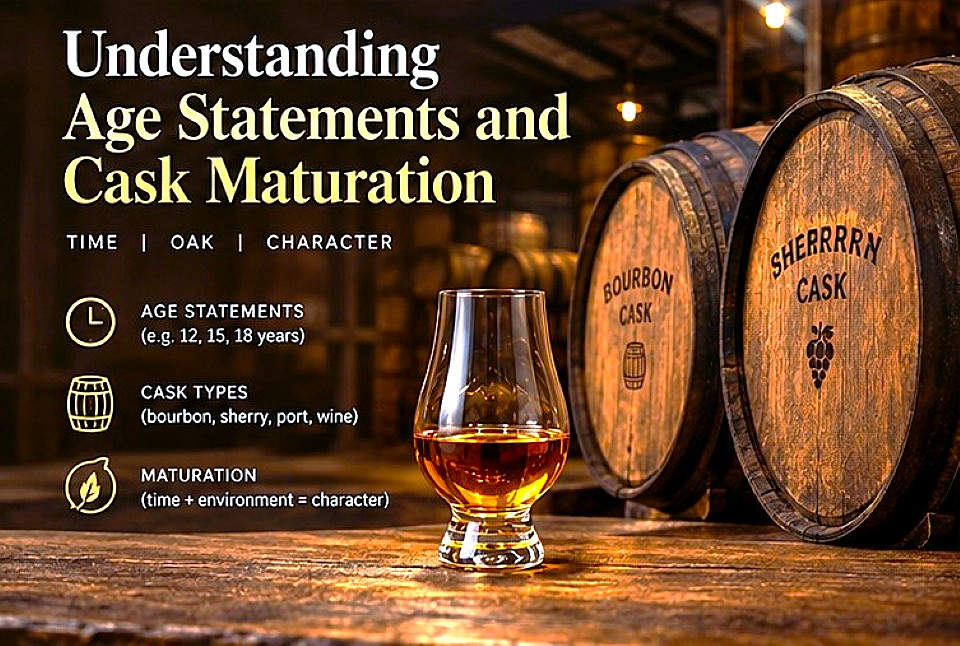
A glass of Scotch whisky beside oak maturation casks illustrating whisky age statements and cask influence.
8. Understanding Age Statements and Cask Maturation
Age and maturation are among the most discussed subjects in Scotch whisky, but they need to be understood in context.
What does a whisky age statement mean?
A stated age indicates the age of the youngest whisky in the bottle. For example, a 12-year-old single malt contains whisky that has matured for at least 12 years. Older whisky may also be included, but the stated age cannot exceed the age of the youngest component.
A bottle without an age statement is commonly called a NAS whisky, meaning “no age statement.” It can still be carefully produced and selected. The absence of a number does not, by itself, indicate lower quality.
Does older always mean better?
No. Age affects a whisky, but it does not provide a universal quality score.
Longer maturation can increase oak influence, develop complexity and change the spirit’s texture. It can also make wood influence more prominent than some drinkers prefer. The result depends on the spirit, cask, warehouse conditions and the decisions made during maturation. A well-balanced younger whisky may be more enjoyable to one person than a much older, more expensive release.
Bourbon casks
Ex-bourbon casks often contribute vanilla, caramel, coconut-like notes and gentle spice, although their influence varies. They are common in Scotch whisky maturation.
Sherry-seasoned casks
Sherry-seasoned oak can contribute dried fruit, nutty, chocolate-like or baking-spice notes. The result depends on the cask’s history and the whisky matured in it.
Port, wine and other cask finishes
Some producers finish whisky in casks that previously held port or wine. This can add layers of fruit, sweetness, spice or tannin-like impressions. A finish describes a period of additional maturation in a different cask after an initial maturation phase. Details vary by expression, so check the bottle or producer’s official product page.
Natural colour and chill filtration
Some whisky enthusiasts prefer bottles labelled as natural colour or non-chill-filtered. These characteristics can matter to a buyer’s preferences, but they are not automatic guarantees of superior flavour. When comparing bottles, consider the full picture: flavour, alcohol strength, cask details, age statement, price, producer transparency and your own taste.
9. How to Choose the Best Highland Whisky for Your Taste
The best Highland single malt Scotch whisky is the one that matches your palate, budget and intended occasion. Use the following approach to narrow your choices.
If you are new to single malt Scotch
Start with a recognisable, approachable expression rather than the most expensive bottle in the shop.
Consider:
-
-
- Glenmorangie The Original 10 Years Old for a fruit- and citrus-led style.
- Aberfeldy 12 Years Old for honeyed, gentle characteristics.
- Dalwhinnie 15 Years Old for an approachable, mature Highland profile.
- Tomatin Legacy or Tomatin 12 Years Old for a chance to explore a different house style.
-
Choose one bottle and take time to learn what you like. There is no need to begin with a rare or heavily peated whisky.
If you prefer sweet and fruity whisky
Look for descriptions that mention orchard fruit, citrus, honey, vanilla or soft malt. Glenmorangie, Aberfeldy, Balblair and anCnoc are useful starting points. Glengoyne may suit you if you prefer fruit with additional cask spice.
If you enjoy rich, sherry-influenced whisky
Explore The Dalmore and The Glendronach, and compare selected Glengoyne expressions. Look for explicit information about sherry-seasoned casks or cask finishes. The distillery name alone does not tell you the exact maturation history of every bottle.
If you like coastal and maritime flavours
Consider Oban, Old Pulteney and Clynelish. Each has its own interpretation of coastal character, so a side-by-side tasting can be particularly revealing. Talisker is worth exploring if you also enjoy a stronger combination of smoke and pepper.
If you like smoky whisky
Start by comparing Ardmore, Highland Park and Talisker. Their expressions can differ significantly in the balance of peat, sweetness, spice and coastal character. If you prefer extremely intense peat, compare them with selected Islay single malts. Regional labels are useful guides, but the specific expression matters more.
If you are buying a premium bottle
Decide what makes the purchase special. It might be a favourite distillery, an age statement, a particular cask finish, a limited release or an attractive presentation.
Before paying a premium, check:
-
-
- The exact expression and bottling details.
- Whether the age statement is clearly specified.
- The stated alcohol strength.
- The cask information, where provided.
- The bottle’s condition and provenance, especially for collectible releases.
- The current market price and return policy.
- Whether the intended recipient actually enjoys that flavour profile.
-
A more expensive bottle is not necessarily a better match for the recipient.
If you are buying whisky in Toronto or the GTA
For local buyers, check the exact product name, bottle size, current price and delivery eligibility before placing an order. Availability can vary across Ontario, and limited releases may be difficult to source.
For Always Dial A Bottle Toronto, the most helpful product and category pages should make it easy for customers to compare whisky types and identify which expressions are currently offered. Do not imply that a particular brand or bottle is available for delivery unless the live product listing confirms it.
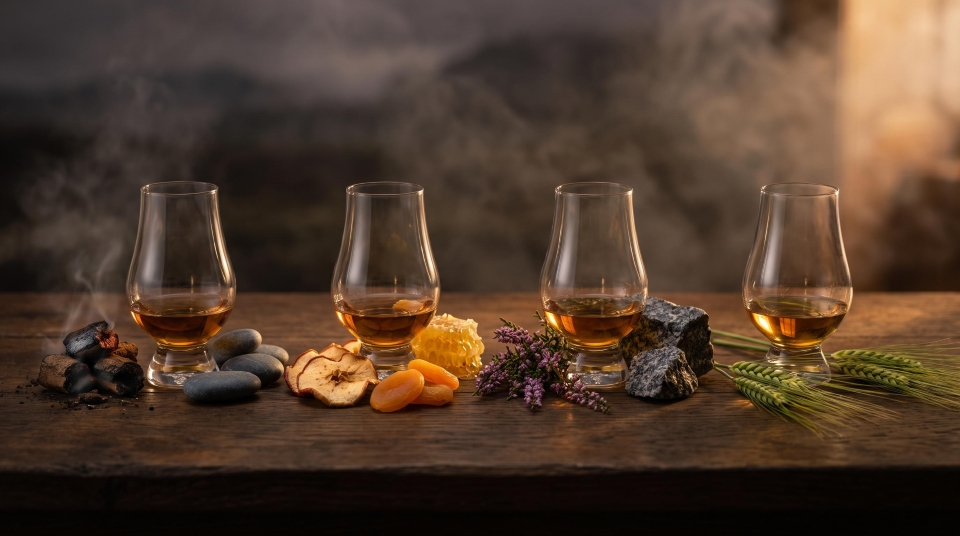
Highland Whisky Flavour Testing and Food Pairing
10. Highland Whisky and Food Pairing Guide
Food pairing can make a whisky tasting more interesting by highlighting contrasts in sweetness, texture, spice and aroma. Start with small portions and adjust according to your preferences.
| Food | Highland whisky style to try | Why it may work |
|---|---|---|
| Dark chocolate | The Dalmore or The Glendronach | Rich fruit and spice can complement cocoa flavours. |
| Mature cheddar | Deanston or Glen Garioch | Malt, oak and spice can stand up to savoury cheese. |
| Smoked salmon | Oban or Old Pulteney | Coastal impressions may complement the smoky, savoury character of the fish. |
| Roast beef | Clynelish or Glen Garioch | Textured, malty whisky can pair with rich savoury flavours. |
| Apple tart | Glenmorangie or Balblair | Fruit and vanilla notes can complement baked fruit. |
| Roasted nuts | Aberfeldy or Dalwhinnie | Gentle sweetness and malt can work well with toasted flavours. |
| Blue cheese | The Glendronach or The Dalmore | Rich fruit and spice may contrast with salty, creamy cheese. |
| Smoked or grilled foods | Talisker or Ardmore | Smoke and spice can echo charred flavours. |
| Dried fruit and nuts | Glengoyne or The Dalmore | Fruit and cask spice can complement a traditional tasting plate. |
| Shortbread | Glenmorangie or Aberfeldy | Vanilla, malt and gentle sweetness can suit buttery biscuits. |
These are starting points rather than strict rules. The best pairing depends on the individual whisky, the food’s seasoning and the drinker’s preferences.
For a tasting at home, try the food first, then take a small sip of whisky. Notice whether the pairing makes the whisky seem sweeter, more bitter, fruitier or more intense. A little still water can help open up some whiskies, especially at higher alcohol strengths.
11. How to Serve and Store Highland Single Malt Scotch Whisky
Good serving technique can help reveal a whisky’s aroma and flavour without requiring specialised equipment.
Choose an appropriate glass
A tulip-shaped whisky glass or nosing glass concentrates aromas and makes it easier to assess the whisky. A small tumbler is also suitable for relaxed drinking.
Start with a small pour
A modest pour allows you to evaluate the aroma and palate without committing to a large serving. Let the whisky rest briefly after pouring, then smell gently rather than inhaling sharply.
Add water if you prefer
A few drops of still water may reveal aromas that are less obvious at the whisky’s original strength. Add water gradually and compare the result with the undiluted whisky. There is no universal rule that every whisky must be served neat. The goal is to find a serving method that lets you enjoy its character.
What about ice?
Ice lowers the temperature and gradually dilutes the whisky. Some people enjoy the cooler, softer presentation, while others prefer room-temperature tasting because it can make aromas easier to assess. Both are valid preferences. Use the serving method that suits the occasion.
Store bottles upright
Unlike wine, whisky should generally be stored upright because prolonged contact with high-strength alcohol can damage a natural cork. Keep bottles away from direct sunlight, strong temperature changes and excessive heat.
Once opened, a bottle will gradually interact with air in the headspace. It does not usually spoil like perishable food, but its aromas can change over time. Keep the cap or cork secure and avoid leaving a bottle open unnecessarily.

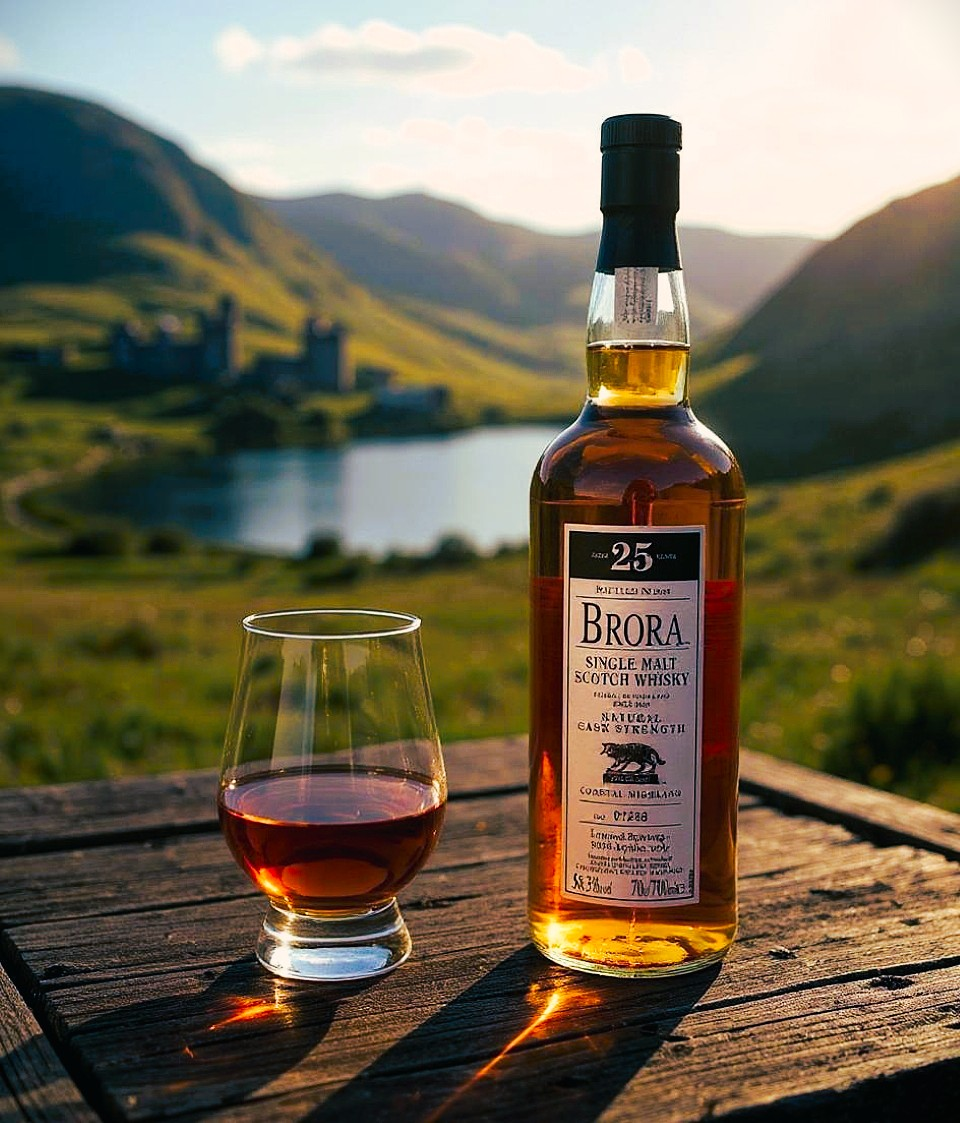
A Highland single malt Scotch whisky bottle and tasting glass overlooking a scenic Scottish landscape.
12. Are Highland Single Malts Good Gifts?
Highland single malt Scotch whisky can be a thoughtful gift because the region offers options for different tastes, budgets and levels of whisky experience.
For a beginner
Choose an approachable expression with a clear flavour profile. Glenmorangie, Aberfeldy or Dalwhinnie may be worth considering if the recipient enjoys fruit, honey and gentle malt.
For a fan of rich whisky
A sherry-influenced expression from The Dalmore, The Glendronach or Glengoyne may appeal to someone who enjoys dried fruit, chocolate-like notes and spice.
For a smoky whisky enthusiast
Consider Talisker, Highland Park or Ardmore, depending on whether the recipient prefers peppery maritime smoke, balanced island character or a peated Highland style.
For a collector
A limited release or older age-stated bottling may be appropriate, but check provenance, packaging, condition and the current market value. Collectible whisky is not guaranteed to appreciate in price.
For corporate and special-occasion gifting
A carefully selected bottle may suit a birthday, anniversary, retirement or corporate celebration. If presentation matters, confirm that the exact product is supplied in its intended packaging.
For customers in Toronto and the Greater Toronto Area, check current stock, delivery coverage and eligibility before promising a specific bottle or delivery date. A useful gift guide should help the buyer choose the right style while keeping availability information accurate.
13. Frequently Asked Questions About Highland Single Malt Scotch Whisky
What is the best Highland single malt Scotch whisky?
There is no single best Highland whisky for everyone. Glenmorangie is a useful option for fruit-forward styles, The Dalmore for rich cask influence, Oban for coastal character, Talisker for smoke and pepper, and The Glendronach for sherry-influenced richness. The best choice depends on your preferences and budget.
Which Highland whisky is best for beginners?
Approachable options to explore include Glenmorangie The Original 10 Years Old, Aberfeldy 12 Years Old, Dalwhinnie 15 Years Old and selected Tomatin expressions. Start with a style you expect to enjoy rather than choosing solely by age or price.
Are Highland whiskies smoky?
Some are, but many are not strongly smoky. Ardmore is associated with peated Highland whisky, while Talisker and Highland Park offer island styles with smoke and other flavours. Glenmorangie and Aberfeldy are useful alternatives for drinkers who prefer less emphasis on peat.
What is the difference between Highland and Speyside whisky?
Highland and Speyside are separate Scotch whisky regions. Speyside is commonly associated with fruit-forward and often sherry-cask-influenced malts, while the wider Highland region offers a broad spectrum of flavours, including light fruit, honey, spice, coastal notes and smoke.
Is Highland single malt better than blended Scotch?
Neither category is automatically better. Single malt Scotch whisky comes from one distillery and is made from malted barley. Blended Scotch combines different Scotch whiskies according to the producer’s recipe. Both categories can offer excellent quality, and the right choice depends on taste and intended use.
What does “single malt” mean?
Single malt Scotch whisky is made at one distillery from water and malted barley, using batch distillation in copper pot stills. It does not mean the whisky comes from one cask.
Is older Highland whisky always better?
No. Age indicates how long the youngest whisky in the bottle has matured, not an objective quality ranking. Cask quality, distillery character, maturation and personal preference all matter.
Which Highland whisky is best for a gift?
For a beginner, consider an approachable bottle. For someone who enjoys rich flavours, look at sherry-influenced options. For a smoke enthusiast, explore Talisker, Highland Park or Ardmore. Always check the recipient’s preferences and the bottle’s current availability.
Which Highland single malt is best with chocolate?
Rich, fruit- and spice-led expressions from The Dalmore or The Glendronach are useful starting points for pairing with dark chocolate. Try small amounts and adjust the pairing to the sweetness and cocoa intensity of the chocolate.
Can I buy Highland single malt Scotch whisky in Toronto?
Availability depends on the product, current stock and local rules. Toronto-area shoppers should verify the exact expression and bottle size through the retailer’s current product listing before ordering. Do not assume that every expression discussed in a guide is available locally.
How should Highland single malt be served?
A tulip-shaped glass can help concentrate aromas. Many people enjoy whisky neat, while a few drops of water may reveal additional aromas. Ice is also a matter of preference. Start with a small pour and adjust the serving to your taste.
How should an opened bottle be stored?
Store whisky upright, with the cap or cork secure, away from direct sunlight and heat. Whisky generally keeps well, but prolonged exposure to air can gradually change its aroma and flavour.
Choose, Serve and Enjoy Highland Whisky
14. Final Thoughts: Discovering the Best Highland Single Malt Scotch Whisky
The best Highland single malt Scotch whisky is not necessarily the oldest, rarest or most expensive bottle. It is the one whose flavour, texture and character match what you enjoy.
The Highlands offer an exceptional range of styles. Glenmorangie is a strong starting point for citrus and fruit; The Dalmore and The Glendronach are worth exploring for richer, cask-influenced profiles; Oban, Clynelish and Old Pulteney provide distinctive coastal perspectives; Talisker, Highland Park and Ardmore bring smoke and spice into the picture.
Aberfeldy, Dalwhinnie, Deanston, Tomatin, Balblair, Edradour, anCnoc, Royal Lochnagar, Ben Nevis, Glengoyne and Glen Garioch each offer further ways to explore the region.
If you are new to Scotch, begin with a bottle that matches a flavour you already enjoy. If you are an enthusiast, compare different distilleries, age statements and cask treatments side by side. Record what you notice, take your time and remember that tasting notes are guides, not rules.
For Toronto and GTA readers exploring bottles through Always Dial A Bottle Toronto, the most useful next step is to check the current whisky selection and confirm product details and delivery availability before ordering.
A good Highland whisky guide should do more than list famous names. It should help you understand what distinguishes each bottle, make a confident choice and discover a style you will genuinely enjoy.