
Blog
The Best Italian White Wine Brands

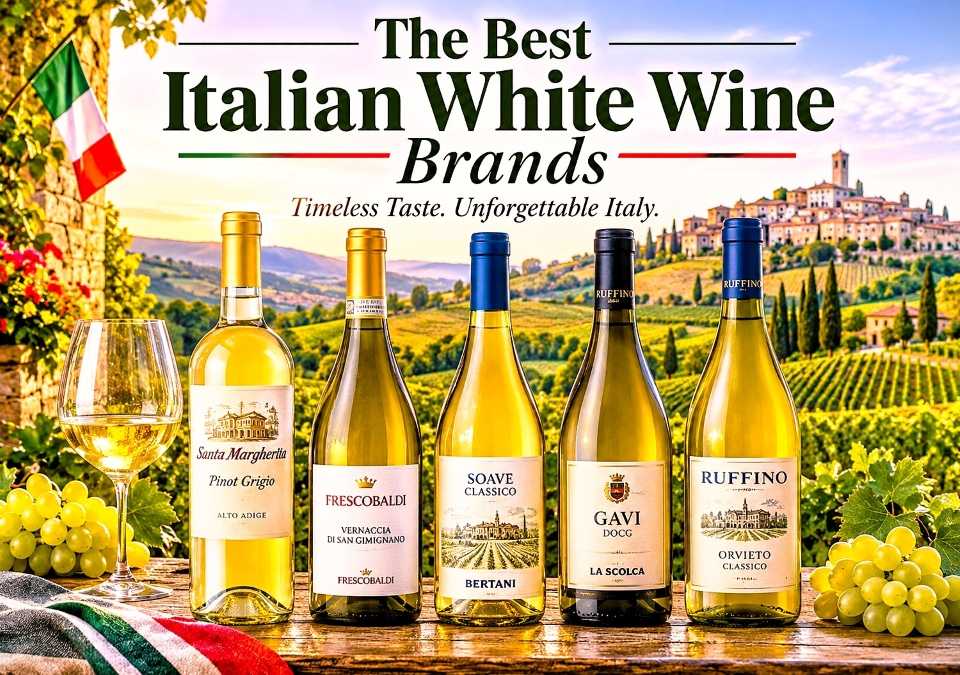
The Best Italian White Wine Brands: 15 Famous Producers You Should Know
Italy is one of the world’s most exciting destinations for white wine lovers. From the elegant vineyards of Friuli-Venezia Giulia and Alto Adige in the north to the sun-drenched landscapes of Sicily and Campania in the south, Italian winemakers produce an extraordinary variety of white wines.
Some are crisp, refreshing and aromatic, with flavours of citrus, green apple and fresh herbs. Others are rich, complex and beautifully structured, with notes of ripe stone fruit, almonds, flowers, minerals and subtle oak. Italy is also home to exceptional sparkling and sweet white wines that demonstrate the country’s remarkable winemaking heritage.
The best Italian white wine brands combine regional identity, traditional grape varieties, modern winemaking techniques and a commitment to quality. Famous producers such as Marchesi Antinori, Gaja, Jermann, Livio Felluga, Pieropan, Elena Walch and Planeta have helped introduce Italian white wines to wine enthusiasts around the world.
Whether you enjoy a refreshing Pinot Grigio, an elegant Soave Classico, a mineral-driven Vermentino, a fragrant Gewürztraminer or a sophisticated Italian Chardonnay, there is an Italian white wine to suit almost every palate and occasion.
In this guide, we explore 15 outstanding Italian white wine producers, their best-known wines, the regions where they operate, the grape varieties they use, and what makes their bottles worth discovering.
Table of Contents
-
-
- Why Italian White Wines Are So Popular
- The 15 Best Italian White Wine Brands
- Italy’s Most Important White Wine Regions
- The Most Popular Italian White Wine Grapes
- Italian White Wine Styles Explained
- How to Choose the Best Italian White Wine
- Italian White Wine and Food Pairings
- How to Serve and Store Italian White Wine
- Frequently Asked Questions
- Discover Italian White Wines at Always Dial A Bottle Toronto
-
1. Why Italian White Wines Are So Popular
Italian white wine has become increasingly popular because of its extraordinary diversity, food-friendly character and strong connection to regional traditions.
Italy has a long history of viticulture, with vineyards spread across Alpine valleys, rolling hills, coastal landscapes, volcanic slopes and Mediterranean islands. These different environments create ideal conditions for producing white wines with distinctive aromas, acidity, textures and flavours.
Unlike countries where a small number of international grape varieties dominate, Italy has an enormous collection of native grapes. Many are closely associated with specific regions and denominations.
For example:
-
-
- Gavi is traditionally made from Cortese in Piedmont.
- Soave is primarily associated with Garganega in Veneto.
- Verdicchio is an important white grape of Marche.
- Fiano and Greco are celebrated varieties from Campania.
- Vermentino is widely associated with Sardinia, Liguria and parts of Tuscany.
- Carricante is the principal grape behind many Etna Bianco wines in Sicily.
- Friulano and Ribolla Gialla are important varieties in Friuli-Venezia Giulia.
-
This regional diversity means Italian white wine offers something for almost every preference.
A remarkable variety of flavours
Italian white wines can be light, crisp and uncomplicated or concentrated, textured and suitable for extended cellaring. Fresh styles frequently display aromas of lemon, lime, pear, apple, peach and white flowers. More structured wines can develop notes of honey, almond, hazelnut, herbs, smoke and mineral complexity.
Oak-aged Chardonnay and certain mature white blends may offer additional aromas of vanilla, toast, butter and roasted nuts.
An excellent match for food
Italian white wines are particularly popular because many have refreshing acidity and balanced structures that complement food. They work beautifully with seafood, grilled fish, shellfish, pasta, risotto, salads, poultry, vegetables and soft cheeses. A crisp Pinot Grigio can be an excellent aperitif, while a richer Fiano or Chardonnay can accompany a more elaborate dinner.
International recognition
Italian white wines are no longer viewed simply as affordable alternatives to famous French wines. Several Italian producers have established international reputations for sophisticated, collectible and age-worthy white wines. Examples include Antinori’s Cervaro della Sala, Jermann’s Vintage Tunina, Gaja’s Gaia & Rey, Pieropan’s La Rocca and Terlano’s prestigious white wine selections.
These wines demonstrate that Italy can produce white wines with remarkable concentration, complexity and longevity.
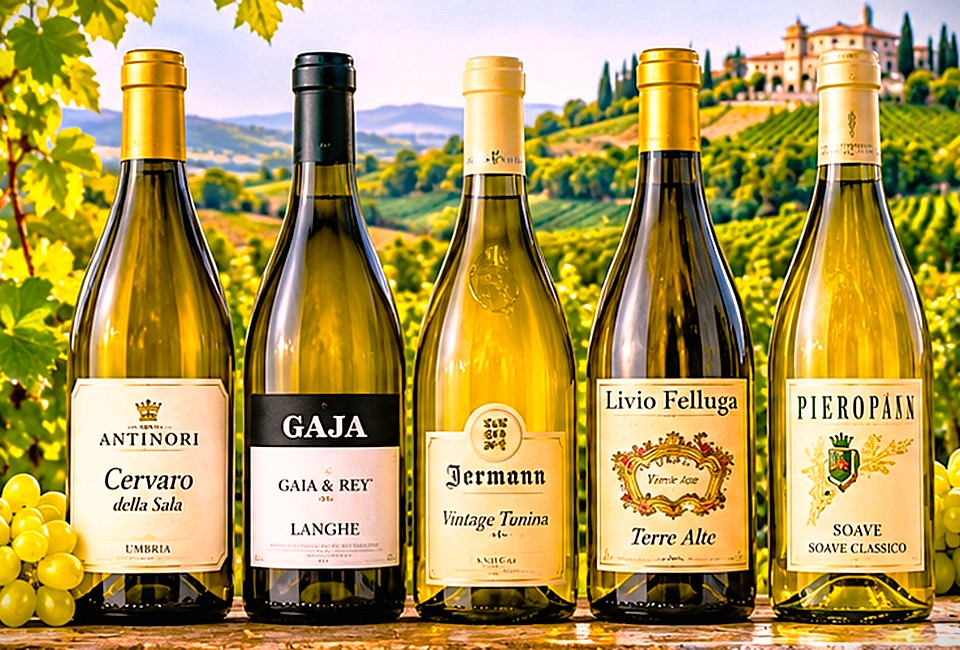
Italian white wine brands featuring Antinori, Gaja, Jermann, Livio Felluga and Pieropan bottles displayed against a beautiful Italian vineyard landscape.
2. The 15 Best Italian White Wine Brands
The following producers represent different Italian wine regions, grape varieties and winemaking philosophies. Some are historic family estates, while others are internationally recognized specialists in particular white wine styles.
1. Marchesi Antinori – Tuscany and Umbria
Marchesi Antinori is one of Italy’s most internationally recognized wine producers. The Antinori family has been involved in winemaking for centuries and is particularly famous for its influence on modern Italian wine. Although the producer is widely associated with prestigious Tuscan red wines, its white wine portfolio is equally interesting.
One of its most celebrated white wines is Cervaro della Sala, produced at Castello della Sala in Umbria. This sophisticated wine combines Chardonnay with Grechetto and is known for its structure, complexity and ageing potential.
Other notable wines include:
-
-
- Cervaro della Sala
- Bramìto della Sala
- Conte della Vipera
- San Giovanni della Sala
- Nibbio della Sala
-
Cervaro della Sala is particularly important because it demonstrates how international grape varieties can work successfully alongside indigenous Italian grapes.
Bramìto della Sala offers a different expression of Chardonnay, generally emphasizing freshness, fruit and elegance. Conte della Vipera combines Sauvignon Blanc and Sémillon in a distinctive white blend.
Why choose Antinori?
Antinori is an excellent producer to explore if you enjoy sophisticated white wines with structure, complexity and a recognizable sense of place. Its wines can appeal to enthusiasts who appreciate both traditional Italian varieties and international grapes.
2. Gaja – Piedmont
Gaja is one of the most prestigious names in Italian wine. The producer is internationally celebrated for its wines from Piedmont, particularly Barbaresco and Barolo, but its white wines are also highly regarded. One of the best-known Gaja white wines is Gaia & Rey Chardonnay, a premium Chardonnay produced in Piedmont.
Another notable wine is Rossj-Bass, a Chardonnay-based wine that may include a proportion of Sauvignon Blanc depending on the vintage and producer specifications.
Gaja’s white wine portfolio includes:
-
-
- Gaia & Rey Chardonnay
- Rossj-Bass
- Alteni di Brassica Sauvignon Blanc
-
These wines demonstrate the potential of Piedmont for producing refined white wines with concentration, freshness and complexity. Gaia & Rey is especially interesting for collectors and Chardonnay enthusiasts. Its reputation is built on careful vineyard selection, attention to detail and a style that balances richness with freshness.
Why choose Gaja?
Gaja is an excellent choice for people looking for premium Italian Chardonnay and sophisticated white wines suitable for special occasions.
3. Frescobaldi – Tuscany
The Frescobaldi family has a long history in Italian winemaking and is closely associated with Tuscany. Although its reputation is strongly connected with Tuscan red wines, Frescobaldi also produces several noteworthy white wines.
Among its important white wine offerings are:
-
-
- Pomino Bianco
- Benefizio Chardonnay
- Ammiraglia Massovivo Vermentino
- Castello Pomino Chardonnay selections
-
Pomino is particularly interesting because the area’s higher-altitude vineyards and cooler conditions can support fresh, aromatic white wine production.
Benefizio Chardonnay is a more structured expression, offering a richer style for people who appreciate textured white wines.
Vermentino from the Ammiraglia estate provides a different profile, with Mediterranean freshness and fruit.
Why choose Frescobaldi?
Frescobaldi offers an opportunity to explore the diversity of Tuscan white wine, including Chardonnay and Vermentino. It is particularly appealing to people who enjoy wines with freshness, balance and regional character.
4. Jermann – Friuli-Venezia Giulia
Jermann is one of the most famous Italian producers of premium white wine. Located in Friuli-Venezia Giulia, the winery has played an important role in establishing the international reputation of the region’s white wines. Jermann is particularly known for aromatic complexity, carefully selected grapes and distinctive white wine blends.
Its best-known wines include:
-
-
- Vintage Tunina
- W… Dreams
- Where the Dreams Have No End
- Pinot Grigio
- Sauvignon Blanc
- Chardonnay
-
Vintage Tunina is one of the producer’s flagship wines. It is a celebrated white blend that demonstrates the potential of Friuli-Venezia Giulia for producing complex, expressive wines.
W… Dreams is another important wine, associated with Chardonnay and a richer, more structured style. Jermann’s wines are often appreciated for their aromatic intensity, balanced acidity and ability to accompany sophisticated meals.
Why choose Jermann?
Jermann is an excellent producer for anyone interested in premium Italian white wine. Its portfolio is especially attractive to enthusiasts who enjoy complex blends, Chardonnay and aromatic white wines.
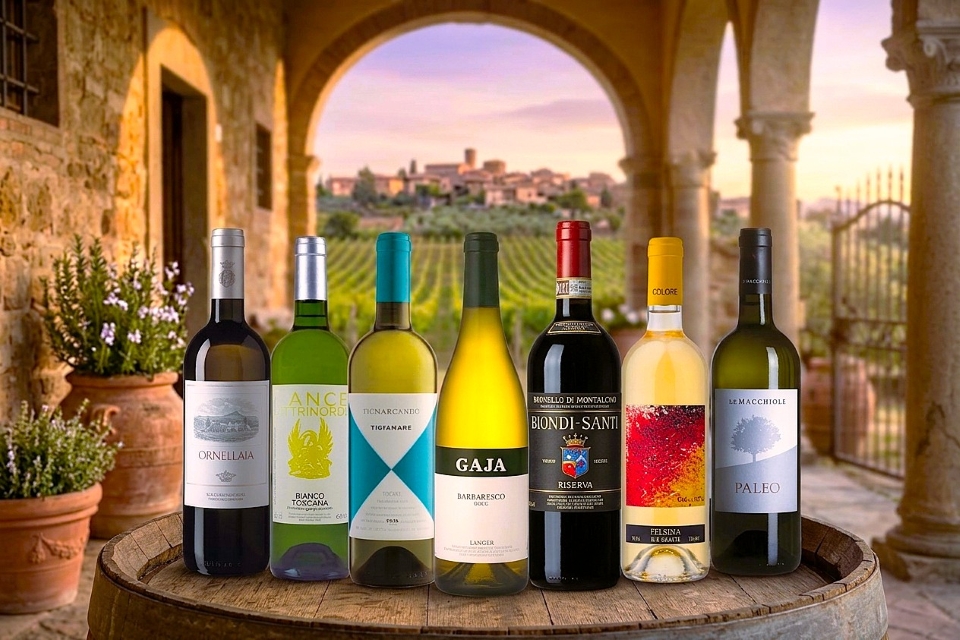
Italy’s Best White Wines
5. Livio Felluga – Friuli-Venezia Giulia
Livio Felluga is one of the historic names associated with the development of modern white wine in Friuli-Venezia Giulia. The producer is particularly famous for wines from the Colli Orientali del Friuli area, where the combination of climate, landscape and distinctive soils creates favourable conditions for white grape varieties.
Its wines include:
-
-
- Terre Alte
- Illivio
- Pinot Grigio
- Friulano
- Sauvignon Blanc
- Chardonnay
- Ribolla Gialla
-
Terre Alte is among the estate’s best-known wines. It is a premium white blend that brings together several grape varieties to create a complex and elegant expression of Friulian winemaking.
Illivio is another important wine, generally based on Pinot Bianco and Chardonnay, with the precise composition dependent on the producer’s current specification.
Livio Felluga also produces excellent varietal wines that allow consumers to discover the individual characteristics of Friulano, Sauvignon Blanc and Pinot Grigio.
Why choose Livio Felluga?
This producer is ideal for people who want to discover the quality and diversity of Friulian white wine beyond internationally familiar Pinot Grigio.
6. Vie di Romans – Friuli-Venezia Giulia
Vie di Romans is another highly respected producer from Friuli-Venezia Giulia. The winery is particularly known for producing expressive single-variety white wines, often with impressive concentration and ageing potential.
Its portfolio includes:
-
-
- Chardonnay
- Sauvignon Blanc
- Pinot Grigio
- Friulano
- Malvasia
- Other estate-specific white wine selections
-
Some of its best-known wines include Vieris Sauvignon, Flor di Uis and its Chardonnay selections. Vie di Romans places considerable emphasis on vineyard quality and careful winemaking. Its wines can offer a combination of ripe fruit, aromatic complexity, freshness and texture.
The producer is especially interesting for people who appreciate white wines with more depth than a simple, light aperitif style.
Why choose Vie di Romans?
Vie di Romans is worth discovering if you enjoy premium white wines with concentration, complexity and a strong connection to their vineyard origins.
7. Elena Walch – Alto Adige
Elena Walch is one of the leading wine producers in Alto Adige, a northern Italian region famous for aromatic and elegant white wines. The Alpine environment, significant differences between daytime and nighttime temperatures and carefully selected vineyard sites help create wines with freshness and aromatic precision.
Elena Walch produces a wide selection of white wines, including:
-
-
- Gewürztraminer
- Pinot Grigio
- Pinot Bianco
- Chardonnay
- Sauvignon Blanc
- Riesling
- Beyond the Clouds
-
Beyond the Clouds is one of the producer’s most recognized premium white wines. It is a sophisticated blend that demonstrates the estate’s approach to producing complex white wines.
Gewürztraminer is another important variety. It is known for its expressive aromas of rose petals, lychee, exotic fruit and spice. Elena Walch’s Pinot Bianco and Sauvignon Blanc offer different expressions of Alto Adige’s cool-climate character.
Why choose Elena Walch?
Choose Elena Walch if you enjoy aromatic white wines, elegant Pinot Grigio, expressive Gewürztraminer and sophisticated blends.
8. Cantina Terlano – Alto Adige
Cantina Terlano, also known internationally as Terlan, is one of Italy’s most respected producers of premium white wines. The winery is famous for its ability to produce white wines that combine freshness, texture and impressive ageing potential.
Its portfolio includes:
-
-
- Terlaner Classico
- Vorberg Pinot Bianco Riserva
- Quarz Sauvignon Blanc
- Nova Domus Terlaner Riserva
- Rarity
- Winkl Sauvignon Blanc
-
The winery is particularly associated with Pinot Bianco, Sauvignon Blanc and Chardonnay.
Vorberg Pinot Bianco Riserva is an important example of the producer’s approach to white wine. It demonstrates how Pinot Bianco can produce wines with concentration, complexity and the potential to develop over time.
Quarz Sauvignon Blanc is another recognized wine, appreciated for its aromatic expression and structure. Cantina Terlano is also known for its Terlaner blends, which showcase the combination of different grape varieties.
Why choose Cantina Terlano?
Terlano is an outstanding producer for enthusiasts interested in premium Alpine white wines, particularly Pinot Bianco and Sauvignon Blanc.
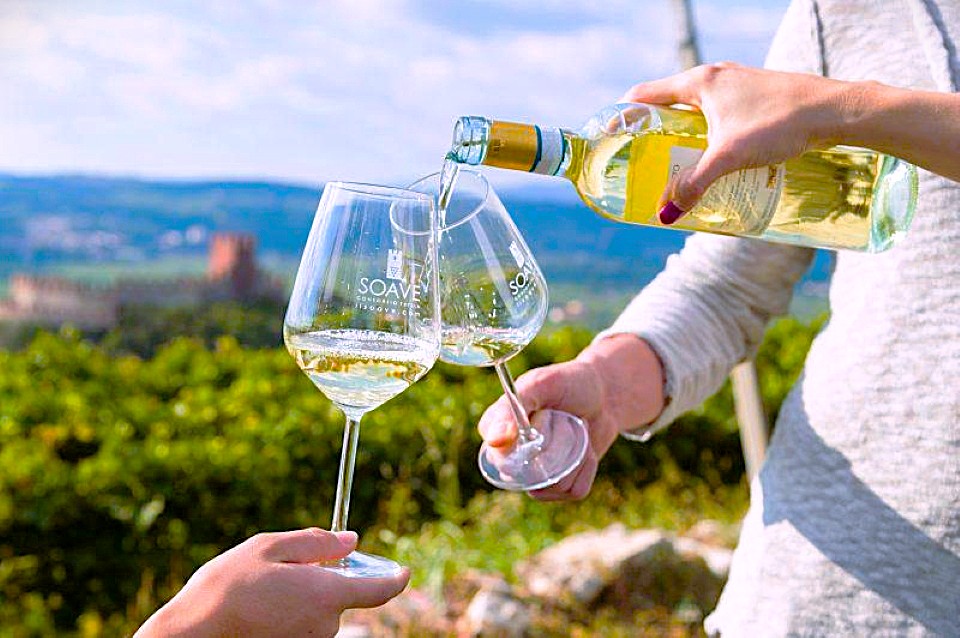
Italy’s Best White Wine Serving
9. Alois Lageder – Alto Adige
Alois Lageder is one of the most respected producers in Alto Adige and is widely associated with quality-focused and environmentally conscious viticulture. The estate works with several grape varieties and produces wines that reflect the diversity of the region.
Its notable white wines include:
-
-
- Löwengang Chardonnay
- Haberle Pinot Bianco
- Chardonnay
- Pinot Grigio
- Gewürztraminer
- Sauvignon Blanc
- Riff Pinot Grigio
-
Löwengang Chardonnay is one of the producer’s flagship wines. It is an ambitious expression of Chardonnay that demonstrates the potential of Alto Adige for premium white wine production.
The winery also produces fresher, more approachable wines that are suitable for everyday enjoyment. Alois Lageder is particularly interesting because it combines traditional regional knowledge with experimentation and a strong interest in sustainable agricultural practices.
Why choose Alois Lageder?
Alois Lageder is a strong choice for consumers who appreciate elegant white wines, expressive Chardonnay and producers with a thoughtful approach to vineyard management.
10. Pieropan – Veneto
Pieropan is one of the most famous names in Soave and a producer that has helped establish the reputation of high-quality white wine from Veneto. Soave is primarily associated with the Garganega grape, which can produce wines with citrus, pear, white flowers, almond and mineral characteristics.
Pieropan’s best-known wines include:
-
-
- Soave Classico
- Calvarino
- La Rocca
- Soave Classico Superiore selections
-
Calvarino is one of the estate’s historic wines. It is known for its freshness, elegance and expression of the Soave Classico territory.
La Rocca offers a richer and more concentrated interpretation of Soave, with a distinctive texture and more pronounced fruit character.
These wines show that Soave can be much more than a simple, inexpensive white wine. Carefully made examples can be complex, expressive and suitable for ageing.
Why choose Pieropan?
Pieropan is an excellent producer for anyone interested in discovering premium Garganega and the more sophisticated side of Soave.
11. Masi – Veneto
Masi is internationally famous for its Amarone and other traditional wines from Veneto. However, the producer also offers white wines that deserve attention.
Its white wine portfolio includes:
-
-
- Masianco
- Levarìe
- Pinot Grigio selections
- Other regional white wine expressions
-
Masianco is a distinctive white wine associated with Pinot Grigio and Verduzzo. It demonstrates the producer’s ability to combine international and local grape varieties.
Levarìe is another approachable white wine associated with the Veneto region. Masi’s wines are generally attractive to people looking for approachable, food-friendly Italian wines with recognizable regional character.
Why choose Masi?
Masi is a useful producer to explore if you already enjoy its famous Amarone wines and want to discover its white wine offerings.
12. Feudi di San Gregorio – Campania
Feudi di San Gregorio is one of the most recognized modern wine producers in southern Italy. Based in Campania, the winery has helped bring renewed international attention to indigenous grape varieties such as Fiano, Greco and Falanghina.
Its important white wines include:
-
-
- Pietracalda Fiano di Avellino
- Cutizzi Greco di Tufo
- Serrocielo Falanghina
- Campanaro
- Other regional white wine selections
-
Fiano di Avellino is one of Campania’s most prestigious white wine styles. It can display aromas of pear, citrus, flowers, nuts and herbs, with a texture that ranges from fresh and lively to rich and complex.
Greco di Tufo is often more structured, with refreshing acidity and mineral characteristics.
Falanghina is frequently more immediately approachable, offering citrus, apple and floral aromas.
Why choose Feudi di San Gregorio?
This producer is particularly recommended for people who want to discover authentic southern Italian white wines made from indigenous grapes.
13. Planeta – Sicily
Planeta is one of the most important modern wine producers in Sicily. The estate works across different parts of the island, allowing it to explore a wide range of grape varieties, vineyard conditions and wine styles. Planeta is particularly well known for its Chardonnay and indigenous Sicilian white wines.
Notable wines include:
-
-
- Planeta Chardonnay
- Cometa
- La Segreta Bianco
- Etna Bianco selections
- Other regional white wine expressions
-
Planeta Chardonnay is one of Sicily’s most recognizable premium white wines. It demonstrates the potential of the island for producing rich, structured wines from international grape varieties. Planeta’s portfolio provides an excellent opportunity to explore both international and native varieties in a Mediterranean environment.
Cometa is particularly interesting because it is made from Fiano, a grape strongly associated with Campania but also successfully cultivated in Sicily.
Why choose Planeta?
Planeta is an excellent choice for consumers who enjoy expressive Chardonnay, distinctive Fiano and contemporary Sicilian white wines.
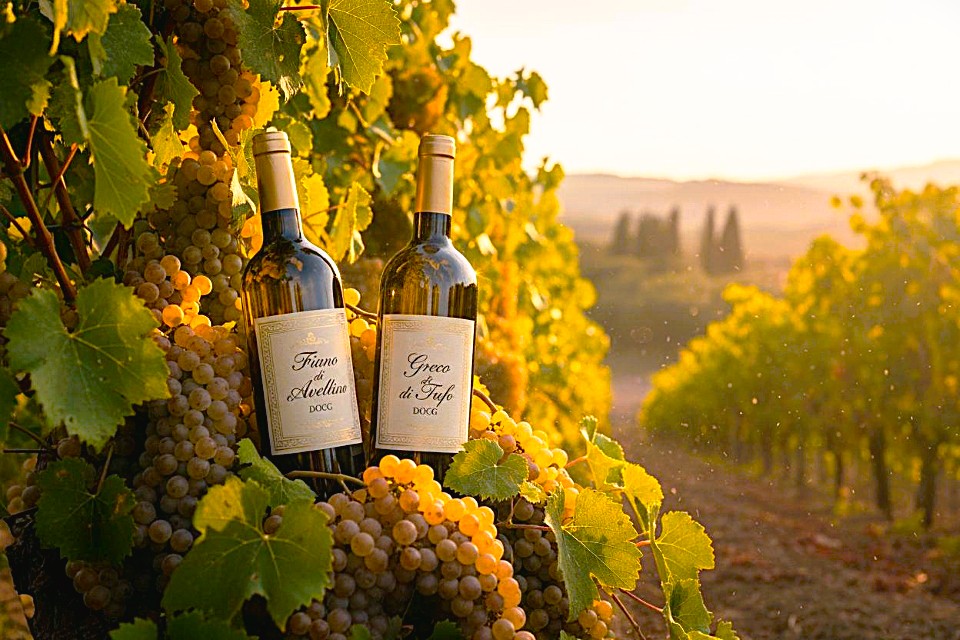
Italy’s Best White Wines Production
14. Donnafugata – Sicily
Donnafugata is one of Sicily’s most famous wine brands, recognized internationally for its distinctive labels and diverse portfolio. The producer works across several Sicilian territories and is particularly associated with wines that express the island’s different climates and grape varieties.
Its white wine portfolio includes:
-
-
- Anthìlia
- Sur Sur
- La Fuga
- Chiarandà
- Sul Vulcano Etna Bianco
- Passiperduti
- Other estate-specific wines
-
Anthìlia is an approachable Sicilian white wine associated with Catarratto and other varieties, depending on the vintage and current blend.
Sur Sur is made from Grillo, one of Sicily’s important indigenous white grapes. It offers a fresh and aromatic style.
Chiarandà is a more structured white wine associated with Chardonnay and Ansonica.
Sul Vulcano is an Etna Bianco made from Carricante, a variety that has become increasingly important to the reputation of volcanic white wines from Sicily.
Why choose Donnafugata?
Donnafugata is a versatile producer for discovering the diversity of Sicilian white wine, from refreshing everyday bottles to more sophisticated wines.
15. Argiolas – Sardinia
Argiolas is one of the most important wine producers in Sardinia. The estate has played a significant role in introducing Sardinian wines to international audiences and is particularly associated with the island’s indigenous grape varieties.
Its white wine portfolio includes:
-
-
- Costamolino Vermentino di Sardegna
- Is Argiolas Vermentino
- Merì Vermentino di Sardegna
- Other regional wine selections
-
Vermentino is one of Sardinia’s signature white grape varieties. It often produces wines with citrus, white peach, Mediterranean herbs, floral aromas and refreshing acidity.
Argiolas is especially interesting because its wines express the island’s Mediterranean climate and distinctive landscape.
Sardinian Vermentino can be particularly appealing with seafood, shellfish, grilled fish and Mediterranean dishes.
Why choose Argiolas?
Argiolas is an excellent producer for people who enjoy fresh, aromatic white wines and want to explore one of Italy’s most distinctive island wine regions.
3. Italy’s Most Important White Wine Regions
Italian white wine is closely connected to geography. Climate, elevation, soils, vineyard exposure and grape varieties all influence the character of the finished wine. Understanding the main white wine regions makes it easier to choose a bottle that suits your preferences.
Alto Adige
Alto Adige is one of Italy’s leading regions for elegant, aromatic white wines. Its Alpine climate, vineyard elevations and temperature differences between day and night help preserve freshness and aromatic intensity.
Important grape varieties include:
-
-
- Pinot Grigio
- Pinot Bianco
- Chardonnay
- Sauvignon Blanc
- Gewürztraminer
- Riesling
-
Notable producers include Elena Walch, Cantina Terlano and Alois Lageder.
Friuli-Venezia Giulia
Friuli-Venezia Giulia is one of Italy’s most important regions for premium white wine. The region is famous for aromatic wines, expressive blends and distinctive native grape varieties.
Important grapes include:
-
-
- Friulano
- Ribolla Gialla
- Pinot Grigio
- Sauvignon Blanc
- Chardonnay
- Malvasia
-
Jermann, Livio Felluga and Vie di Romans are among the producers worth exploring.
Veneto
Veneto produces several famous Italian white wines, including Soave and Pinot Grigio. Garganega is the principal grape associated with Soave, while Pinot Grigio is widely grown across the region. Important producers include Pieropan and Masi.
Piedmont
Piedmont is best known internationally for Barolo and Barbaresco, but it also produces excellent white wines.
Important styles include:
-
-
- Gavi
- Roero Arneis
- Timorasso
- Moscato d’Asti
- Premium Chardonnay
-
Cortese is the grape behind Gavi, while Arneis is particularly associated with Roero.
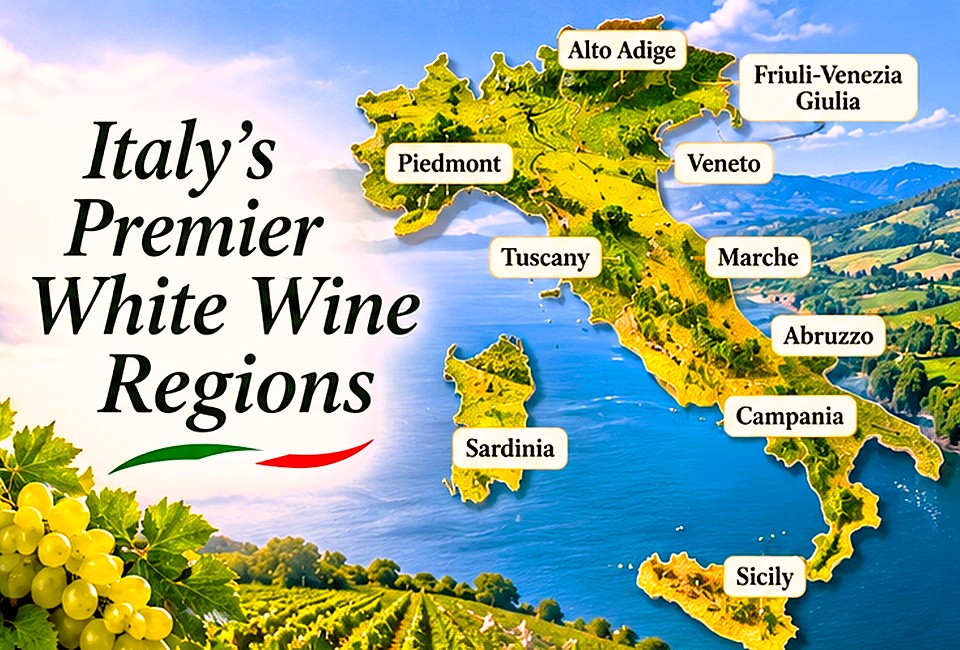
Map of Italy’s famous white wine regions, including Alto Adige, Friuli-Venezia Giulia, Piedmont, Veneto, Tuscany, Marche, Campania, Sardinia and Sicily.
Campania
Campania is one of southern Italy’s most interesting white wine regions. Its native grape varieties produce wines with excellent food-pairing potential and distinctive regional character.
Important grapes include:
-
-
- Fiano
- Greco
- Falanghina
- Coda di Volpe
-
Feudi di San Gregorio is one of the region’s most recognized producers.
Sicily
Sicily offers an enormous range of white wine styles, from fresh coastal wines to complex wines produced on volcanic slopes.
Important varieties include:
-
-
- Grillo
- Catarratto
- Carricante
- Inzolia or Ansonica
- Zibibbo
- Chardonnay
-
Planeta and Donnafugata are two of the island’s most recognized producers.
Sardinia
Sardinia is especially famous for Vermentino. Vermentino di Gallura DOCG is one of the island’s important white wine denominations. These wines can offer freshness, citrus aromas, floral notes and a characteristic Mediterranean personality. Argiolas is one of the producers worth discovering.
Marche
Marche is closely associated with Verdicchio, one of Italy’s most important indigenous white grape varieties. Verdicchio dei Castelli di Jesi and Verdicchio di Matelica are important wine denominations. Well-made Verdicchio can combine refreshing acidity with citrus, green apple, almond and mineral characteristics.
4. The Most Popular Italian White Wine Grapes
Italy’s white wine identity is built around both international varieties and indigenous grapes. Understanding the differences can help you choose a wine based on its expected aromas, body and acidity.
Pinot Grigio
Pinot Grigio is one of Italy’s most internationally recognized white grape varieties. It typically produces fresh, dry wines with flavours of lemon, pear, green apple and white flowers. The style can vary considerably depending on the region and producer. Some wines are light and straightforward, while more ambitious examples offer additional texture and complexity.
Best with: seafood, salads, light pasta, grilled vegetables and appetizers.
Chardonnay
Chardonnay is an international grape variety that has found excellent growing conditions in several Italian regions. Italian Chardonnay can range from fresh and citrus-driven to rich, concentrated and oak-influenced. Important examples include Antinori’s Cervaro della Sala and Gaja’s Gaia & Rey.
Best with: roasted poultry, seafood, creamy pasta, lobster and richer fish dishes.
Sauvignon Blanc
Sauvignon Blanc is particularly successful in northern Italy, including Friuli-Venezia Giulia and Alto Adige. It is known for aromatic intensity, refreshing acidity and flavours that may include citrus, green apple, herbs and tropical fruit.
Best with: goat cheese, seafood, salads, asparagus and herb-based dishes.
Garganega
Garganega is the principal grape associated with Soave. It can produce elegant white wines with aromas of lemon, pear, white flowers and almond. Higher-quality examples may develop additional texture and complexity with bottle age.
Best with: grilled fish, seafood pasta, poultry and vegetable dishes.
Vermentino
Vermentino is an important Mediterranean white grape variety found in Sardinia, Liguria and parts of Tuscany. It generally produces aromatic wines with citrus, peach, herbs and refreshing acidity.
Best with: shellfish, grilled fish, seafood risotto and Mediterranean cuisine.
Fiano
Fiano is an important indigenous grape variety from southern Italy, especially Campania. It can produce wines with aromas of pear, citrus, flowers, hazelnuts and herbs. Well-made examples can develop complexity with age.
Best with: seafood, roasted chicken, creamy pasta, mushrooms and soft cheeses.
Greco
Greco is another important white grape from Campania. Greco di Tufo is known for its freshness, structure and distinctive mineral character.
Best with: shellfish, grilled fish, seafood risotto and mozzarella.
Falanghina
Falanghina is a popular southern Italian grape that often produces fresh, aromatic wines. Typical characteristics include lemon, apple, peach and floral notes.
Best with: seafood, salads, grilled vegetables and light pasta dishes.
Gewürztraminer
Gewürztraminer is particularly important in Alto Adige. It is famous for its powerful aromas, which can include rose petals, lychee, tropical fruit, ginger and spice.
Best with: spicy Asian dishes, aromatic cheeses, smoked fish and richer poultry dishes.
Verdicchio
Verdicchio is a native grape from Marche. It can produce refreshing wines with citrus, green apple, herbal and almond characteristics. Some examples have excellent ageing potential.
Best with: seafood, grilled fish, pasta with shellfish and white meats.
Ribolla Gialla
Ribolla Gialla is an important native grape of Friuli-Venezia Giulia. It can produce fresh, lively wines with citrus, floral and mineral notes. Some producers also make skin-contact expressions with greater texture.
Best with: seafood, appetizers, vegetable dishes and fresh cheeses.
Carricante
Carricante is the principal grape associated with Etna Bianco in Sicily. The wines are often known for high acidity, citrus character and mineral complexity influenced by the volcanic environment.
Best with: raw fish, oysters, seafood and grilled vegetables.
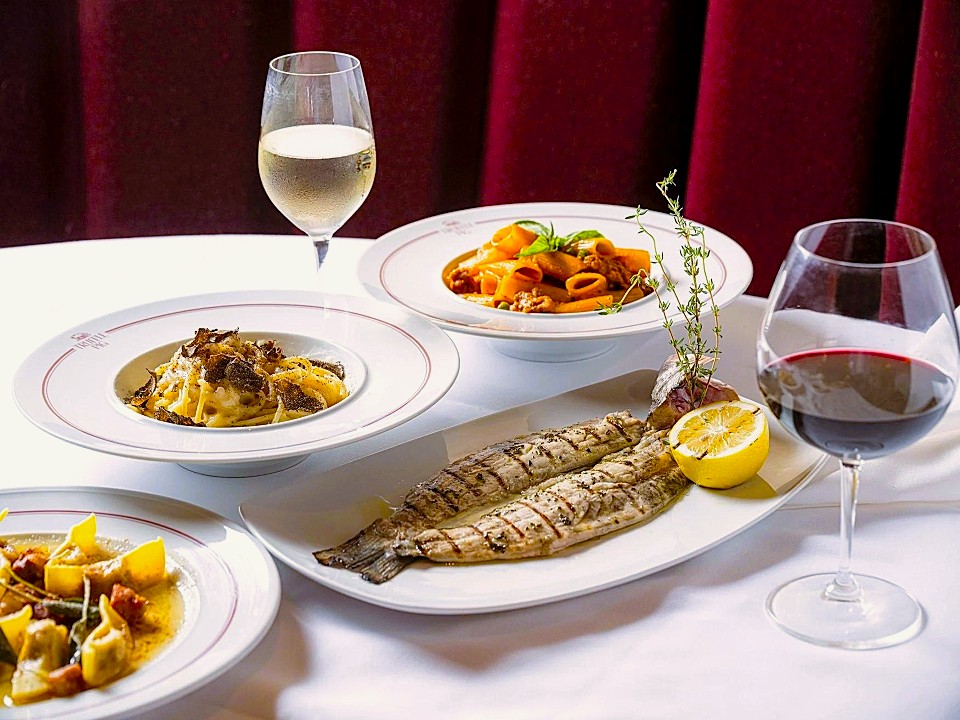
Italy’s Best White Wine Food Pairing and serving
5. Italian White Wine Styles Explained
Italian white wines can be divided into several broad styles. Understanding these differences is useful when choosing a bottle.
Crisp and refreshing white wines
These wines are generally light to medium-bodied, with refreshing acidity and clean fruit flavours. Examples include many Pinot Grigio, Gavi, Vermentino and Sauvignon Blanc wines. They are excellent for aperitifs, casual meals and warm-weather occasions.
Aromatic white wines
Aromatic wines are recognized by their expressive floral, fruit and spice aromas. Gewürztraminer, Sauvignon Blanc and certain Ribolla Gialla and Moscato wines are examples. They can be particularly appealing to people who enjoy fragrant wines.
Rich and full-bodied white wines
These wines generally have greater texture, concentration and sometimes oak influence. Examples include selected Chardonnay wines from Antinori, Gaja and Alois Lageder. They can accompany richer dishes and more elaborate meals.
Mineral and volcanic white wines
Wines from particular vineyard sites can express freshness, salinity and mineral-like characteristics. Etna Bianco from Sicily is an especially interesting example, often made from Carricante. The word mineral is a tasting description, not a literal claim that wine tastes of rocks or contains a direct flavour transfer from a particular soil.
Sparkling Italian white wines
Italy also produces excellent sparkling wines. Prosecco is one of the best-known examples, typically made using Glera grapes in the traditional production area of northeastern Italy. Other important sparkling wine styles include Franciacorta from Lombardy and Trentodoc from Trentino. These wines offer alternatives to Champagne for celebrations, aperitifs and special occasions.
Sweet Italian white wines
Italy produces several celebrated sweet white wines. Examples include Moscato d’Asti, Passito di Pantelleria and Vin Santo. They can display flavours of peach, apricot, honey, dried fruit, citrus peel and flowers. These wines are excellent with desserts, fruit-based dishes and selected cheeses.
6. How to Choose the Best Italian White Wine
Choosing the best Italian white wine depends on your personal taste, the occasion, the food you are serving and your preferred price range. Here are some useful guidelines.
If you prefer light and refreshing wines
Look for:
-
-
- Pinot Grigio
- Gavi
- Vermentino
- Soave Classico
- Verdicchio
-
These wines are generally suitable for casual meals, appetizers and warm-weather occasions.
If you enjoy aromatic wines
Consider:
-
-
- Gewürztraminer
- Sauvignon Blanc
- Falanghina
- Ribolla Gialla
-
These varieties offer expressive aromas and are particularly interesting for people who enjoy fragrant wines.
If you prefer richer white wines
Consider:
-
-
- Chardonnay
- Fiano
- Greco di Tufo
- Premium Soave
- Structured white blends
-
These styles can provide more body, texture and complexity.
If you want a premium bottle for a special occasion
Explore wines such as:
-
-
- Cervaro della Sala by Antinori
- Gaia & Rey by Gaja
- Vintage Tunina by Jermann
- Terre Alte by Livio Felluga
- Vorberg Pinot Bianco Riserva by Terlano
- La Rocca by Pieropan
-
Availability and vintage selection vary, so compare the actual bottle and vintage before purchasing.
Consider the vintage
Vintage can influence the character of white wine. Weather conditions during the growing season affect ripeness, acidity, concentration and overall balance. Some white wines are best enjoyed young, while more structured wines can develop additional complexity over several years. Always follow the producer’s recommendations where available.
Read the label carefully
An Italian wine label usually identifies the producer, wine name, geographical designation, grape variety where applicable, vintage and other required information. Remember that DOC and DOCG identify regulated geographical denominations, not a simple guarantee that one wine will taste better than another.
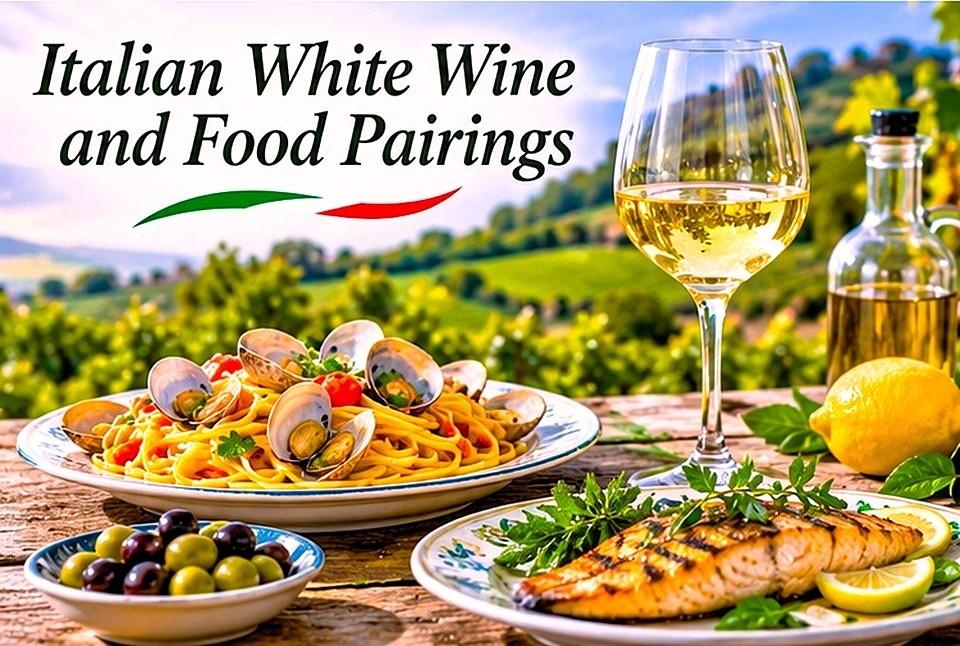
Italian white wine and food pairings featuring seafood pasta, grilled fish, fresh lemons, olives and a glass of crisp white wine.
7. Italian White Wine and Food Pairings
Italian white wine is particularly versatile at the dinner table. Its acidity, fruit character and range of textures make it suitable for many different cuisines.
Pinot Grigio with seafood
A crisp Pinot Grigio is a natural match for grilled fish, shrimp, calamari and light seafood pasta. Its refreshing acidity helps balance the delicate flavours of seafood.
Gavi with shellfish
Gavi made from Cortese is an excellent companion for oysters, clams, scallops and other shellfish. Its fresh citrus character and acidity complement the natural sweetness of seafood.
Soave with risotto
Soave Classico can work beautifully with seafood risotto, vegetable risotto and lighter poultry dishes. Its fruit, acidity and texture provide balance without overwhelming the food.
Vermentino with grilled fish
Vermentino is particularly suitable for Mediterranean seafood. Try it with grilled sea bass, salmon, prawns, octopus or seafood pasta.
Fiano with roasted chicken
Fiano can have enough texture and aromatic complexity to accompany roasted chicken, herb-based sauces and creamy pasta.
Greco di Tufo with shellfish
Greco di Tufo is a strong pairing for shellfish, grilled fish and seafood risotto. Its acidity and structure help balance richer preparations.
Gewürztraminer with spicy food
The aromatic character of Gewürztraminer can complement dishes containing ginger, aromatic spices and moderate heat. It can work especially well with Thai and other Asian-inspired dishes.
Chardonnay with lobster
A richer Chardonnay can be a wonderful match for lobster, scallops, roasted poultry and creamy seafood dishes.
Carricante with oysters
Etna Bianco made from Carricante is worth trying with oysters, raw fish and delicate seafood preparations. Its fresh, mineral-driven character can make an elegant pairing.
Verdicchio with Italian pasta
Verdicchio can accompany seafood pasta, vegetable dishes and lighter Italian preparations. Its acidity helps refresh the palate between bites.
8. How to Serve and Store Italian White Wine
Serving temperature has a significant effect on how white wine smells and tastes. A wine served too cold may appear muted, while a wine served too warm may seem less refreshing and more alcoholic.
The following are useful general serving guidelines:
| White wine style | Suggested serving temperature |
|---|---|
| Light Pinot Grigio | 7–10°C |
| Gavi and crisp white blends | 8–10°C |
| Soave Classico | 8–11°C |
| Vermentino | 8–11°C |
| Sauvignon Blanc | 8–11°C |
| Gewürztraminer | 8–11°C |
| Fiano and Greco | 9–12°C |
| Premium Chardonnay | 10–13°C |
| Mature or structured white wine | 11–13°C |
These are general recommendations. Follow the producer’s guidance for a particular wine.
Choose the right wine glass
A medium-sized white wine glass is suitable for most Italian white wines. Aromatic wines such as Gewürztraminer can benefit from a glass with enough room to allow their aromas to develop. More structured Chardonnay and complex white blends can also benefit from a slightly larger glass.
Should you decant Italian white wine?
Most light and refreshing white wines do not require decanting. However, some premium white wines can benefit from brief aeration, especially when they are young, concentrated or initially closed aromatically. Use the producer’s advice and your own tasting experience.
How to store white wine
Store unopened bottles in a cool, dark location with a stable temperature. Avoid direct sunlight, excessive heat and repeated temperature changes. For bottles intended for longer-term ageing, appropriate wine storage conditions are especially important.
Once opened, reseal the bottle and refrigerate it. Most everyday white wines are best enjoyed within a few days, although the exact period depends on the wine, storage conditions and closure.
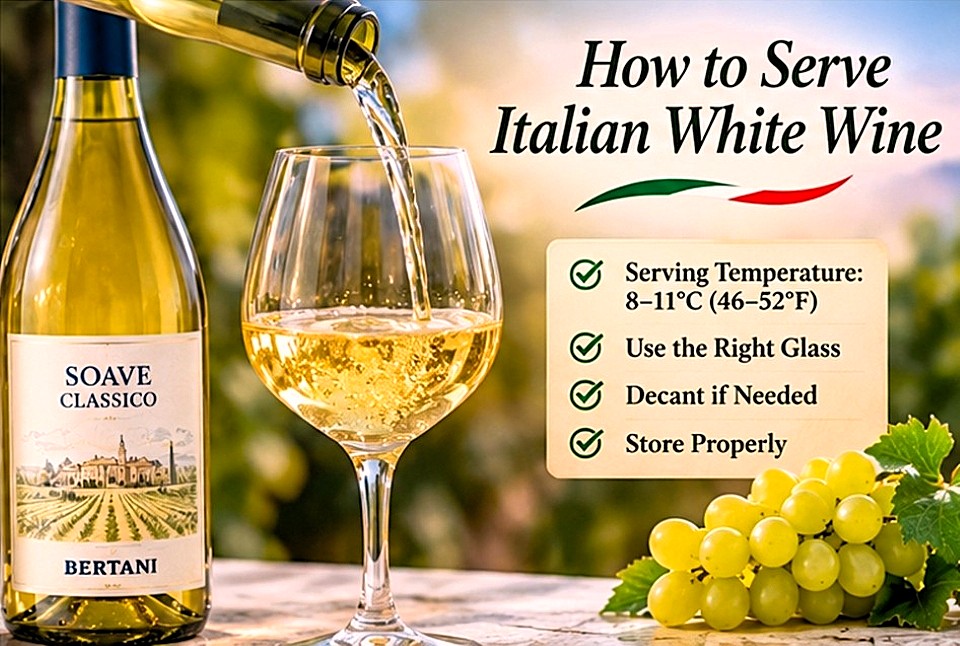
How to serve Italian white wine, featuring Soave Classico, recommended serving temperatures, elegant wine glassware and proper wine storage.
9. Frequently Asked Questions About Italian White Wine
What are the best Italian white wine brands?
Some of the most respected Italian white wine producers include Marchesi Antinori, Gaja, Frescobaldi, Jermann, Livio Felluga, Vie di Romans, Elena Walch, Cantina Terlano, Alois Lageder, Pieropan, Masi, Feudi di San Gregorio, Planeta, Donnafugata and Argiolas. They represent a wide range of Italian regions, grape varieties and wine styles.
What is the most famous Italian white wine?
There is no single Italian white wine that is universally considered the most famous. Pinot Grigio is among the most internationally recognized styles. Other important wines include Soave, Gavi, Verdicchio, Fiano di Avellino, Greco di Tufo and premium Chardonnay from producers such as Antinori and Gaja.
What is the best Italian white wine for beginners?
Pinot Grigio is often a good starting point because it is generally fresh, approachable and easy to pair with food. Soave, Gavi and Vermentino are also excellent choices for people discovering Italian white wine.
What is the best Italian white wine for seafood?
Pinot Grigio, Vermentino, Gavi, Soave and Carricante-based Etna Bianco are excellent options for seafood. The best choice depends on how the seafood is prepared and whether the dish is delicate, grilled, creamy or strongly seasoned.
Is Italian Pinot Grigio sweet or dry?
Most Italian Pinot Grigio is produced as a dry wine. It typically has refreshing acidity and flavours of citrus, pear and green apple. The exact profile depends on the producer and growing region.
What is the difference between Pinot Grigio and Pinot Gris?
Pinot Grigio and Pinot Gris are names used for the same grape variety. The wine style depends on the region, producer and winemaking approach. Many Italian Pinot Grigio wines are light and crisp, while some Pinot Gris wines from other regions are richer and more textured.
Is Soave a grape variety?
No. Soave is a wine denomination from Veneto. The wine is primarily made from Garganega, with Trebbiano di Soave permitted under the applicable production rules.
What is the best Italian white wine for pasta?
The best wine depends on the sauce and ingredients:
-
-
- Seafood pasta: Vermentino, Gavi or Pinot Grigio.
- Creamy pasta: Chardonnay or Fiano.
- Vegetable pasta: Soave or Verdicchio.
- Herb-based pasta: Sauvignon Blanc or Vermentino.
-
Which Italian white wines can age well?
Certain premium Italian white wines can develop beautifully with age. Examples include Cervaro della Sala, Gaia & Rey, Vintage Tunina, Terre Alte, selected Terlano Riservas, and some Fiano and Greco wines. Ageing potential varies by vintage, storage conditions and the individual wine.
What is the difference between DOC and DOCG?
DOC stands for Denominazione di Origine Controllata, while DOCG stands for Denominazione di Origine Controllata e Garantita. Both are regulated Italian geographical designations with production requirements. DOCG has additional requirements, but the classification alone does not establish whether a wine will be more enjoyable than another wine.
What Italian white wine is best for summer?
Refreshing styles such as Pinot Grigio, Vermentino, Gavi, Soave and Verdicchio are excellent summer choices. Serve them chilled and pair them with seafood, salads, grilled vegetables and light meals.
What is a good premium Italian white wine gift?
For a special gift, consider Cervaro della Sala, Gaia & Rey, Vintage Tunina, Terre Alte, La Rocca or a premium Terlano white wine. The right selection depends on the recipient’s preferences, the vintage and your budget.
10. Discover Italian White Wines at Always Dial A Bottle Toronto
Italy offers an extraordinary selection of white wines, from refreshing Pinot Grigio and elegant Gavi to sophisticated Chardonnay, aromatic Gewürztraminer and distinctive Sicilian wines.
Whether you are looking for an easy-drinking bottle for dinner, a premium wine for a special occasion or an interesting Italian wine to give as a gift, exploring different producers and grape varieties is an excellent way to discover the country’s wine culture.
At Always Dial A Bottle Toronto, we aim to make discovering and ordering wine convenient for customers in Toronto and the Greater Toronto Area. Explore our wine selection and discover wines suited to different tastes, occasions and food pairings.
For customers looking for Italian wine, our selection may include bottles from established producers and different Italian wine regions, depending on current availability. Visit Always Dial A Bottle Toronto to explore our wine collection and learn more about our wine delivery service in Toronto and the GTA.
Discover Italian white wine, find a bottle for your next occasion, and enjoy the remarkable diversity of Italian winemaking.