
Blog
The Best Italian Rosé Wine Brands

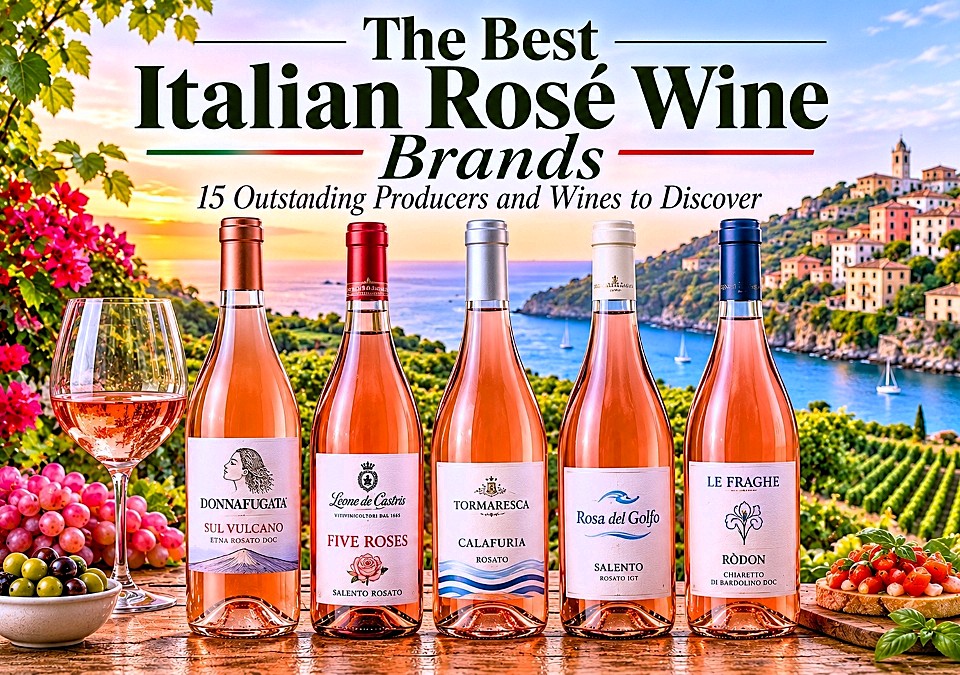
The Best Italian Rosé Wine Brands: 15 Outstanding Producers and Wines to Discover
Introduction: Discover the Wonderful World of Italian Rosé Wine
Italy is one of the world’s most exciting wine-producing countries, famous for its extraordinary diversity of grape varieties, historic vineyards, distinctive regional wine styles and passionate winemaking traditions. While Italian red and white wines have long attracted international attention, Italian rosé wine—known as rosato—deserves an equally prominent place among the country’s great wine styles.
From the shores of Lake Garda to the sun-drenched vineyards of Puglia, from the dramatic volcanic slopes of Mount Etna to the rolling hills of Abruzzo and Tuscany, Italian winemakers produce an impressive range of rosé wines. Some are pale, delicate and refreshing, while others have a deeper cherry-pink colour, more substantial structure and enough flavour to accompany a complete meal.
Italian rosé is not simply one style of wine. It is a collection of regional expressions shaped by local grape varieties, climate, soil, vineyard altitude and winemaking traditions. A crisp Chiaretto from Lake Garda can taste very different from a structured Cerasuolo d’Abruzzo, a savoury Etna Rosato or a fruit-forward Negroamaro rosato from Salento.
The country’s native grapes are an important part of this diversity. Corvina, Montepulciano, Negroamaro, Primitivo, Gaglioppo, Aglianico, Lagrein, Nerello Mascalese and Groppello all contribute distinctive aromas, flavours and textures to Italian rosé.
This guide explores 15 noteworthy Italian rosé wine producers and the bottles that help demonstrate the quality and diversity of their regions. It also explains the principal Italian rosé styles, important grape varieties, food pairings, serving temperatures and practical advice for choosing a bottle.
Whether you are discovering Italian rosato for the first time or looking to explore beyond familiar Provence-style rosé, these producers offer an excellent introduction to Italy’s remarkable pink wines.
Table of Contents
-
-
- What Makes Italian Rosé Wine Special?
- The 15 Best Italian Rosé Wine Brands
- Italy’s Most Important Rosé Wine Regions
- Italian Rosé Grape Varieties
- Italian Rosé Wine Styles
- How to Choose the Best Italian Rosé
- Italian Rosé and Food Pairings
- How to Serve and Store Italian Rosé
- Frequently Asked Questions
- Discover Italian Rosé Wine with Always Dial A Bottle Toronto
-
1. What Makes Italian Rosé Wine Special?
Italian rosé stands out because of its connection to the country’s regional wine culture. Unlike a single internationally standardized style, Italian rosato reflects the grapes and traditions of individual wine-growing areas.
In northern Italy, rosé wines from around Lake Garda are often fresh, dry and delicately aromatic. In Abruzzo, Montepulciano produces Cerasuolo d’Abruzzo, a more deeply coloured wine with generous cherry and red-berry character. In southern Italy, Negroamaro, Primitivo and Gaglioppo can create expressive rosatos with ripe fruit, lively acidity and a Mediterranean personality.
A tradition built around native grapes
One of Italy’s greatest wine advantages is its enormous collection of indigenous grape varieties. Many of these grapes are not widely planted outside Italy, giving Italian rosé a distinctive identity.
Examples include:
-
-
- Corvina: An important variety in the Lake Garda area, associated with fresh, delicate Chiaretto.
- Montepulciano: The principal grape behind Cerasuolo d’Abruzzo, known for its cherry colour and generous red-fruit flavours.
- Negroamaro: A southern Italian variety that produces aromatic, savoury and fruit-rich rosato.
- Primitivo: Known for ripe fruit and a generous texture.
- Gaglioppo: A traditional Calabrian grape that can produce fresh, characterful rosé.
- Lagrein: An Alpine variety from Alto Adige used to make aromatic, deeply coloured rosato.
- Nerello Mascalese: An important Sicilian variety that can produce elegant, mineral and finely structured rosé.
-
A wide range of colours and flavours
Italian rosé can range from very pale pink to salmon, coral and vivid cherry-red. Colour alone does not determine quality, sweetness or body. A pale wine can have excellent concentration and structure, while a deeper-coloured rosato may remain dry and refreshing. The final style depends on the grape variety, skin contact, fermentation and winemaker’s choices.
Italian rosé is made for food
Food is central to Italian wine culture, and rosato is particularly versatile at the table. Its combination of fruit, freshness and acidity can complement seafood, grilled vegetables, salads, pizza, pasta, cured meats and many Mediterranean dishes. The more structured examples can also accompany grilled poultry, lamb, tomato-based dishes and richer regional recipes.
2. The 15 Best Italian Rosé Wine Brands
The following producers represent a range of Italian regions, grape varieties and winemaking approaches. Some are internationally recognized wineries, while others are smaller specialists whose rosato wines demonstrate the importance of local traditions.
1. Donnafugata – Elegant Sicilian Rosé
Donnafugata is one of Sicily’s best-known wine producers, with vineyards and winemaking projects that reflect the island’s varied landscapes. Its wines express the character of Mediterranean Sicily, including coastal vineyards and the distinctive volcanic environment of Mount Etna.
One of its most recognizable rosé wines is Sul Vulcano Etna Rosato DOC, produced from Nerello Mascalese. The wine illustrates how this native Sicilian grape can create a refined rosato with fresh fruit, floral nuances and a distinctive mineral impression.
Nerello Mascalese is particularly interesting because it can produce rosé with an elegant structure rather than simply a light, uncomplicated summer-wine profile.
Donnafugata’s rosé is worth exploring for people who enjoy wines with a clear sense of origin. Its Etna expression can be especially appealing alongside grilled fish, seafood pasta, tuna, Mediterranean vegetables and dishes featuring herbs and citrus.
Why discover Donnafugata?
-
-
- A respected Sicilian wine producer.
- A strong connection to the island’s native grape varieties.
- An opportunity to explore rosé from the volcanic vineyards of Etna.
- An elegant alternative to more familiar Mediterranean rosé styles.
-
Recommended wine: Sul Vulcano Etna Rosato DOC.
Official website: https://www.donnafugata.it/
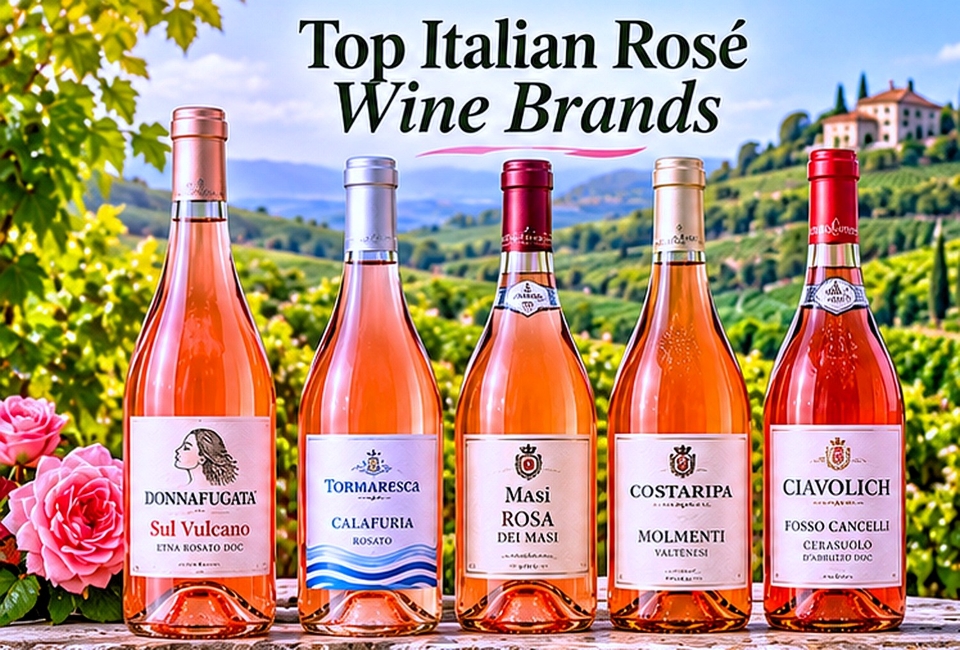
Top Italian rosé wine brands featuring Donnafugata, Tormaresca, Masi, Costaripa and Ciavolich rosato bottles displayed against a beautiful Italian coastal vineyard landscape.
2. Leone de Castris – A Historic Salento Rosé Producer
Leone de Castris is one of Puglia’s historic wine estates and an important name in the story of Italian rosato. The winery is particularly associated with Five Roses, a famous rosé wine from Salento. Its history is closely connected with Negroamaro, a grape variety that has helped establish southern Puglia as one of Italy’s most recognizable rosé-producing areas.
Five Roses is an excellent starting point for understanding the character of Salento rosato. Negroamaro can produce wines with expressive strawberry, cherry and raspberry aromas, balanced by refreshing acidity and a Mediterranean herbal character.
The wine’s regional identity makes it particularly suitable for southern Italian cuisine. Try it with tomato-based pasta, grilled prawns, seafood risotto, pizza, antipasti and grilled vegetables. Leone de Castris demonstrates that Italian rosé is not a recent trend. Salento has a long-standing rosato tradition, and Five Roses is one of its most recognizable ambassadors.
Why discover Leone de Castris?
-
-
- A historic Puglian producer.
- Strong association with the Five Roses label.
- An excellent introduction to Negroamaro rosato.
- A classic choice for Mediterranean food.
-
Recommended wine: Five Roses Salento Rosato.
Official website: https://www.leonedecastris.com/
3. Tormaresca – Contemporary Rosé from Puglia
Tormaresca, part of the Marchesi Antinori wine family, represents the modern development of Puglian wine. The estate works with varieties that express the region’s Mediterranean climate and distinctive terroir. Puglia’s warm sunshine, sea influences and limestone-rich landscapes help create wines with ripe fruit and a generous regional personality.
One of its best-known rosé labels is Calafuria Rosato, made from Negroamaro. It is associated with the Salento peninsula and is designed to express the freshness and fruit character of southern Italian rosato.
Calafuria is an appealing wine for people who enjoy a bright, aromatic rosé with flavours of red berries, citrus and fresh summer fruit. It works well as an aperitif and alongside seafood, grilled vegetables, salads and light pasta dishes. Tormaresca is particularly interesting for readers who want to explore a contemporary interpretation of traditional Puglian grapes.
Why discover Tormaresca?
-
-
- A modern producer backed by the Antinori wine family.
- A recognizable example of Negroamaro-based rosato.
- A fresh, Mediterranean-inspired wine style.
- A versatile choice for summer dining and entertaining.
-
Recommended wine: Calafuria Rosato.
Official website: https://www.tormaresca.it/en/
4. Rosa del Golfo – A Puglian Rosé Specialist
Rosa del Golfo is closely associated with the rosato tradition of Salento. Its name is especially relevant to anyone exploring the history and identity of southern Italian pink wines. The winery is known for rosé made from traditional Puglian varieties, particularly Negroamaro, with Primitivo also contributing to the region’s wider rosato landscape.
Its wines demonstrate how southern Italy’s warmer climate can produce rosé with attractive fruit concentration while maintaining enough freshness for food. Negroamaro-based rosato commonly displays strawberry, cherry, raspberry and Mediterranean herb notes. Depending on the wine and vintage, the palate may be generous and rounded while remaining dry.
Rosa del Golfo is a producer to consider for people who want a rosé that feels connected to local cuisine and the traditions of Puglia. Pair it with burrata, grilled octopus, seafood antipasti, tomato salads, pizza and dishes featuring olive oil and fresh herbs.
Why discover Rosa del Golfo?
-
-
- A winery with a strong rosato identity.
- A useful introduction to Salento’s traditional pink wines.
- Expressive fruit and Mediterranean character.
- A natural partner for Puglian and southern Italian cuisine.
-
Recommended wines: Rosa del Golfo rosato selections, subject to current vintage availability.
Official website: https://www.rosadelgolfo.com/
5. Le Fraghe – Fresh Chiaretto from Lake Garda
Le Fraghe is an important name for anyone interested in Chiaretto di Bardolino, the traditional rosé style associated with the eastern side of Lake Garda in Veneto. The winery is particularly known for Ròdon Chiaretto di Bardolino DOC, a wine that demonstrates the freshness and elegance possible from the region’s traditional red grapes.
Chiaretto is generally associated with Corvina and other permitted local varieties. These grapes can produce delicate wines with red-cherry, strawberry, citrus and floral aromas. Lake Garda’s climate plays an important role. The lake moderates temperatures and contributes to conditions that can support fresh, aromatic wines.
Le Fraghe is a particularly good producer to explore if you prefer rosé that is dry, lively and refined rather than heavy or intensely fruity. Serve it with lake fish, grilled prawns, seafood salads, vegetable antipasti, risotto and delicate pasta dishes.
Why discover Le Fraghe?
-
-
- A respected producer of Chiaretto di Bardolino.
- A clear expression of the Lake Garda wine region.
- Fresh acidity and delicate red-fruit character.
- A good choice for aperitifs and lighter meals.
-
Recommended wine: Ròdon Chiaretto di Bardolino DOC.
Official website: https://www.lefraghe.it/
6. Costaripa – Refined Rosé from Valtènesi
Costaripa is one of the producers most closely associated with the refined rosé wines of Valtènesi, on the western shore of Lake Garda in Lombardy. The region’s traditional rosato is commonly known as Valtènesi Chiaretto. It is associated with Groppello, a local grape variety, often blended with other permitted varieties.
Costaripa has helped establish a reputation for elegant, carefully crafted rosé. Its wines are often appreciated for their subtle aromas, fine texture and balanced acidity. The winery’s Molmenti Valtènesi is a particularly noteworthy example. Rather than being a simple, immediately accessible summer wine, it illustrates how rosato can have depth, complexity and the ability to develop with time.
Valtènesi rosé is an excellent choice for people who appreciate restrained, food-friendly wines with delicate fruit and a savoury finish. Pair it with freshwater fish, white-meat dishes, risotto, delicate cheeses and refined seafood preparations.
Why discover Costaripa?
-
-
- A leading name in Valtènesi rosé.
- Strong association with Groppello.
- Elegant and distinctive regional expressions.
- An excellent example of more serious Italian rosato.
-
Recommended wine: Molmenti Valtènesi DOC.
Official website: https://www.costaripa.it/
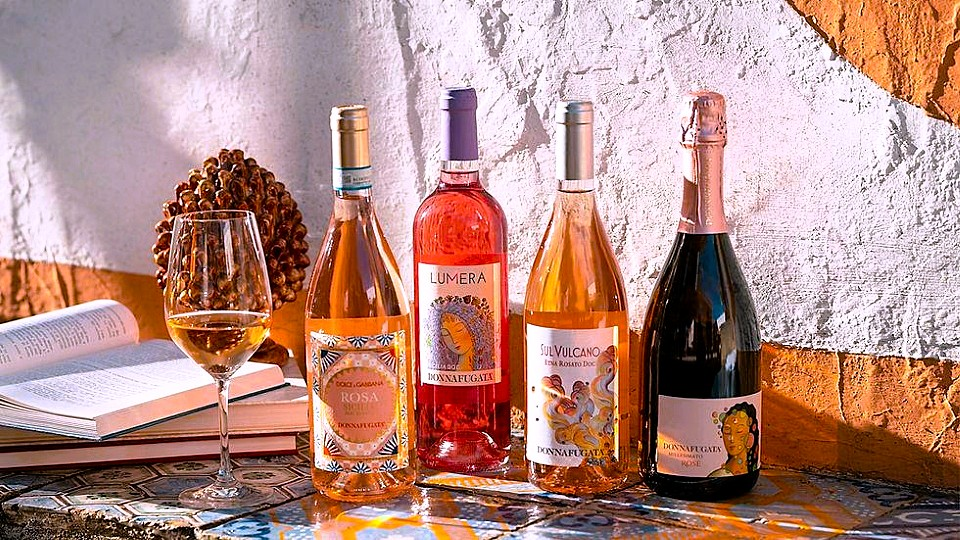
The Best Italian Rosé Wine
7. Muri-Gries – Alpine Lagrein Rosato from Alto Adige
Muri-Gries is a historic wine producer in Alto Adige, northern Italy, known for wines that reflect the region’s Alpine environment. One of the region’s most distinctive rosé styles is Lagrein Kretzer, made from Lagrein. The grape is traditionally used for red wine but also produces characterful rosato.
Lagrein rosé can have a more vivid colour and more pronounced fruit profile than some delicate northern Italian examples. Strawberry, raspberry, cherry and floral aromas are common, with a refreshing structure. Muri-Gries offers an opportunity to discover how altitude, cooler nights and Alpine conditions can shape Italian rosé.
Its wines are particularly interesting for people who enjoy rosé with a little more personality and flavour intensity. Try Lagrein rosato with speck, grilled sausages, roasted poultry, mushroom dishes, Alpine cheeses and savoury vegetable preparations.
Why discover Muri-Gries?
-
-
- A historic Alto Adige producer.
- A representative name for Lagrein rosato.
- A distinctive Alpine wine style.
- A good option for food pairing beyond seafood and salads.
-
Recommended wine: Alto Adige Lagrein Kretzer DOC.
Official website: https://www.muri-gries.com/
8. Ciavolich – Characterful Cerasuolo d’Abruzzo
Ciavolich is a historic family winery in Abruzzo, a region particularly famous for Cerasuolo d’Abruzzo. Cerasuolo is one of Italy’s most distinctive rosé wine styles. The name refers to its cherry-like colour, and the wine is made primarily from Montepulciano grapes.
Unlike very pale rosé, Cerasuolo d’Abruzzo often has a vivid pink or cherry-red appearance. Its aromas can include sour cherry, strawberry, raspberry and floral notes, with enough structure to accompany substantial food.
Ciavolich’s Fosso Cancelli Cerasuolo d’Abruzzo DOC has attracted attention in specialist Italian rosé selections. It is an interesting example for people looking beyond internationally familiar pale rosé. Cerasuolo can be especially versatile at the table. It pairs with tomato-based pasta, grilled meats, pizza, roasted vegetables, cured meats and regional Abruzzese dishes.
Why discover Ciavolich?
-
-
- A historic Abruzzese winery.
- A notable producer of Cerasuolo d’Abruzzo.
- A more structured and deeply coloured rosé style.
- A good match for a wide range of Italian dishes.
-
Recommended wine: Fosso Cancelli Cerasuolo d’Abruzzo DOC.
Official website: https://www.ciavolich.com/
9. Cataldi Madonna – A Benchmark Name for Cerasuolo d’Abruzzo
Cataldi Madonna is one of Abruzzo’s recognized wine producers, with a strong connection to the region’s Montepulciano grape. The winery is particularly interesting for its interpretation of Cerasuolo d’Abruzzo, a rosé style that demonstrates how much flavour and structure a pink wine can offer.
Its Piè delle Vigne Cerasuolo d’Abruzzo is a noteworthy label for wine enthusiasts who want to explore a more distinctive expression of the appellation. Cerasuolo’s character is often more substantial than that of lighter rosato styles. The wine may show ripe cherry, red currant, strawberry and herbal nuances, with freshness that keeps the palate lively.
This makes it a natural partner for dishes that might otherwise be served with lighter red wine. Consider pairing it with grilled lamb, tomato-based pasta, roasted chicken, salumi, pizza and aged regional cheeses.
Why discover Cataldi Madonna?
-
-
- A recognized producer from Abruzzo.
- A strong association with Montepulciano.
- A distinctive expression of Cerasuolo d’Abruzzo.
- A useful introduction to more structured Italian rosé.
-
Recommended wine: Piè delle Vigne Cerasuolo d’Abruzzo.
Official website: https://www.cataldimadonna.com/
10. Bonavita – Distinctive Rosato from Sicily
Bonavita is a smaller Sicilian producer whose wines demonstrate the diversity of the island’s native grape varieties. Its Terre Siciliane Rosato has received notable attention in specialist Italian rosé selections. The wine has been associated with a blend of Nerello Mascalese, Nerello Cappuccio and Nocera.
These varieties help create a rosato with a strong sense of Sicilian identity. Depending on the vintage, the style can combine red-fruit aromas with freshness, savoury notes and a distinctive Mediterranean character.
Bonavita is especially interesting for adventurous wine drinkers who want to move beyond familiar international grape varieties. Sicilian rosato can work beautifully with grilled swordfish, tuna, seafood couscous, caponata, aubergine dishes and Mediterranean herbs.
Why discover Bonavita?
-
-
- A distinctive Sicilian wine producer.
- A blend of native varieties.
- Recognition in specialist Italian rosé selections.
- An interesting choice for exploring Sicily’s regional wine identity.
-
Recommended wine: Terre Siciliane Rosato IGT.
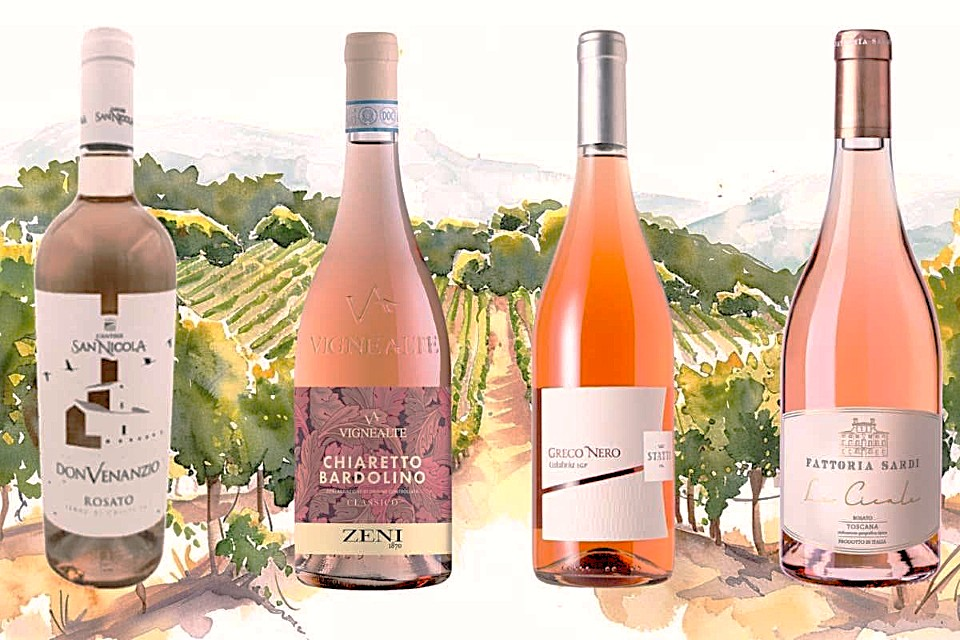
The Best Italian Rosé Wine-Regions
11. Elena Fucci – Aglianico Rosato from Basilicata
Elena Fucci is particularly well known for her work with Aglianico del Vulture, one of southern Italy’s most distinctive grape varieties. Aglianico is often associated with powerful red wines, but it can also produce expressive rosato. The grape’s natural acidity and structure make it an interesting choice for a more characterful pink wine.
The winery’s Titolo Pink Edition is a notable example of rosato from Basilicata. Its regional identity makes it especially appealing to people interested in discovering less familiar Italian wine areas.
Aglianico rosato can display red cherry, raspberry, floral and herbal notes, with a more substantial palate than some lighter rosé styles. It is worth trying alongside grilled pork, roasted vegetables, tomato-based dishes, spicy sausage and Mediterranean cuisine.
Why discover Elena Fucci?
-
-
- A respected producer from Basilicata.
- A distinctive interpretation of Aglianico.
- An opportunity to explore rosato beyond Italy’s best-known regions.
- A good option for people who enjoy structured wines.
-
Recommended wine: Titolo Pink Edition Basilicata Rosato IGT.
Official website: https://www.elenafucci.com/
12. Garofoli – Marche Rosato with Regional Character
Garofoli is a historic family wine producer from the Marche region on Italy’s Adriatic coast. The winery is best known for its work with regional varieties, including Verdicchio and Montepulciano. Montepulciano can also be used for rosato, producing wines with attractive red-fruit aromas and refreshing acidity.
Its Kòmaros Marche Rosato is a noteworthy label for exploring the region’s pink wines. The Marche is an interesting destination for rosé lovers because its wines often combine coastal freshness with the structure of central Italian grape varieties. A rosato from this area can work particularly well with seafood, grilled vegetables, tomato-based pasta, poultry and regional antipasti.
Why discover Garofoli?
-
-
- A historic Marche wine producer.
- A connection to traditional central Italian varieties.
- An opportunity to explore rosato from the Adriatic coast.
- A versatile style for Mediterranean food.
-
Recommended wine: Kòmaros Marche Rosato IGT.
Official website: https://www.garofolivini.it/
13. Ceraudo – Gaglioppo Rosato from Calabria
Ceraudo is an important producer from Calabria, a southern Italian region with a rich but sometimes overlooked wine tradition. The winery’s Grayasusi rosato is a distinctive example of the region’s approach to pink wine. Calabria’s traditional Gaglioppo grape is especially important in the area’s rosé identity.
Gaglioppo can produce wines with fresh red fruit, floral character and savoury Mediterranean notes. The grape’s regional heritage makes it an interesting alternative to the more widely recognized varieties used in rosé production.
Ceraudo is worth exploring for wine enthusiasts who want to discover the diversity of southern Italy. Pair a Calabrian rosato with grilled seafood, spicy salumi, roasted peppers, tomato dishes, grilled vegetables and regional fish recipes.
Why discover Ceraudo?
-
-
- A producer from Calabria.
- A connection to the region’s native grapes.
- A distinctive alternative to mainstream rosé.
- An interesting choice for regional Italian food.
-
Recommended wine: Grayasusi Calabria Rosato IGT.
Official website: https://www.ceraudo.it/
14. Cantine del Notaio – Il Rogito from Basilicata
Cantine del Notaio is a recognized wine producer from Basilicata, a region particularly associated with Aglianico del Vulture. Its Il Rogito is an interesting rosato made from Aglianico. The wine demonstrates how this southern Italian grape can produce a pink wine with depth, colour and a strong regional personality.
Aglianico is naturally capable of producing wines with good acidity and structure. In rosato form, these characteristics can create a wine that is more substantial than a light aperitif style. Il Rogito is a useful choice for people who enjoy rosé with food and want to explore lesser-known Italian appellations.
Try it with roasted meats, grilled sausages, tomato-based pasta, mushrooms, hard cheeses and Mediterranean vegetables.
Why discover Cantine del Notaio?
-
-
- A recognized Basilicata producer.
- A distinctive Aglianico rosato.
- A wine with regional character and food-pairing versatility.
- A good choice for discovering the wines of Vulture.
-
Recommended wine: Il Rogito Basilicata Rosato IGT.
Official website: https://www.cantinedelnotaio.it/
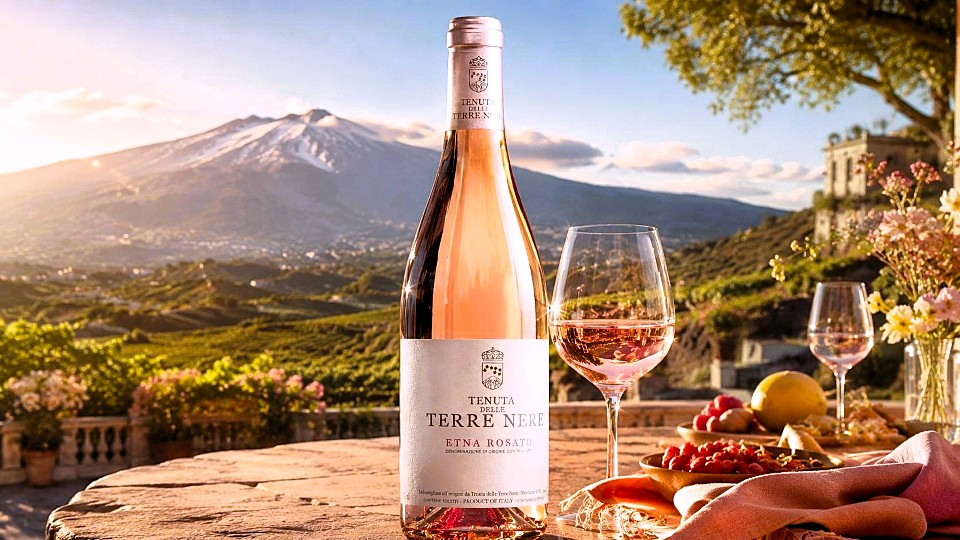
The Best Italian Rosé Wine-Servings
15. ‘A Vita – Traditional Gaglioppo Rosato from Calabria
‘A Vita is a small producer in Calabria whose wines reflect the character of the region’s native grapes and vineyards. Its Calabria IGP Gaglioppo Rosato has attracted attention in specialist Italian rosé selections, making the producer an interesting name for wine enthusiasts seeking authentic regional expressions.
Gaglioppo is one of Calabria’s important traditional red varieties. In rosato form, it can produce wines with lively acidity, red-fruit character and a savoury finish. This style is especially appealing to people who enjoy exploring wines that are closely connected to their place of origin.
Serve a Gaglioppo rosato with grilled fish, seafood pasta, tomato salads, roasted vegetables, Mediterranean antipasti and dishes featuring fresh herbs.
Why discover ‘A Vita?
-
-
- A producer focused on Calabrian wine identity.
- A connection to native Gaglioppo.
- Recognition in the 2025 100 Best Italian Rosé selection.
- A distinctive option for adventurous rosé drinkers.
-
Recommended wine: Calabria IGP Gaglioppo Rosato.
3. Italy’s Most Important Rosé Wine Regions
Italian rosato is best understood by exploring its regions. Each area has its own grapes, appellations, climate and traditions.
Veneto: Chiaretto di Bardolino
The eastern side of Lake Garda is one of Italy’s best-known rosé-producing areas. Chiaretto di Bardolino is typically made from Corvina and other permitted local varieties. These wines are generally dry, refreshing and aromatic, with red cherry, strawberry, citrus and floral notes. Notable producers include Le Fraghe and other Bardolino-area wineries.
Lombardy: Valtènesi Chiaretto
On the western side of Lake Garda, Valtènesi produces distinctive rosato wines associated with the Groppello grape. The style is often delicate, elegant and food-friendly, with fine red-fruit aromas and refreshing acidity. Costaripa is one of the producers most closely associated with this style.
Abruzzo: Cerasuolo d’Abruzzo
Cerasuolo d’Abruzzo is one of Italy’s most recognizable rosé appellations. It is made from Montepulciano and is known for its vivid cherry-pink appearance. Compared with many pale rosé wines, Cerasuolo often has more colour, fruit concentration and structure. Producers worth exploring include Ciavolich and Cataldi Madonna.
Puglia: Salento Rosato
Puglia is one of Italy’s most important rosato-producing regions. Negroamaro is especially significant, although Primitivo and other varieties also contribute to the area’s pink wines. Salento rosato often displays strawberry, cherry and raspberry aromas, with a generous Mediterranean character. Leone de Castris, Tormaresca and Rosa del Golfo are notable producers.
Sicily: Etna and Terre Siciliane
Sicily produces a wide range of rosé wines, from coastal expressions to wines from the volcanic slopes of Mount Etna. Nerello Mascalese is particularly important for Etna Rosato. Its wines can combine freshness, red-fruit aromas, floral notes and mineral impressions. Donnafugata and Bonavita are interesting producers to explore.
Alto Adige: Lagrein Kretzer
In northern Italy, Alto Adige produces rosato from Lagrein, traditionally known as Kretzer. These wines often have a vivid pink colour and attractive aromas of cherry, strawberry and raspberry. Muri-Gries is a notable name for this regional style.
Basilicata: Aglianico Rosato
Basilicata’s Aglianico-based rosato demonstrates how a grape famous for structured red wines can also produce characterful pink wines. Elena Fucci and Cantine del Notaio are producers worth discovering.
Calabria: Gaglioppo Rosato
Calabria’s rosato tradition is closely connected with Gaglioppo, a local grape that produces wines with red-fruit character and Mediterranean freshness. Ceraudo and ‘A Vita are interesting names for exploring the region.
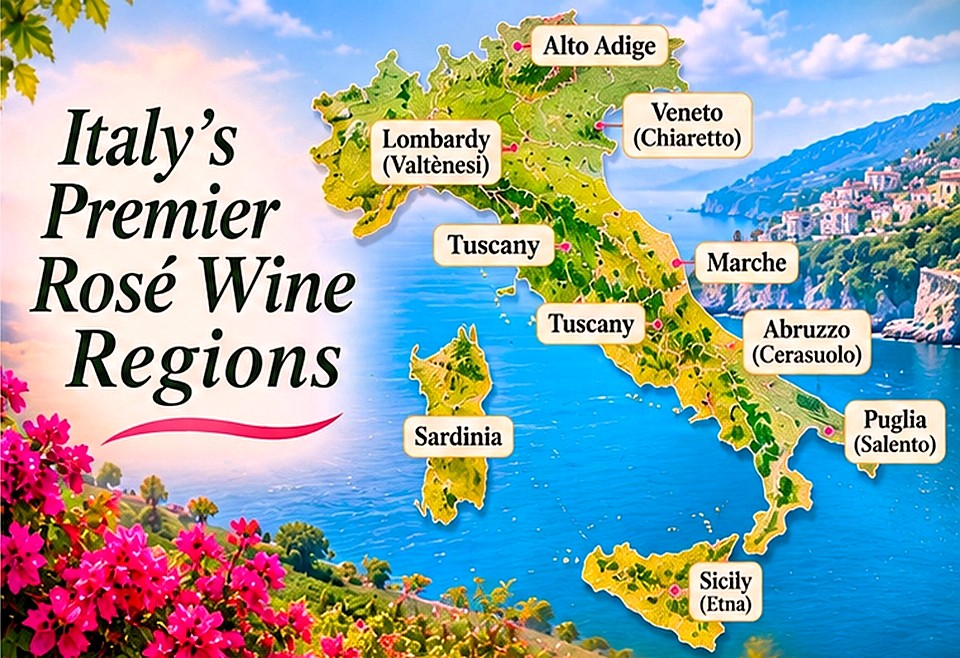
Map of Italy’s famous rosé wine regions, including Veneto, Lombardy, Alto Adige, Abruzzo, Puglia, Sicily and Tuscany.
4. Italian Rosé Grape Varieties
Understanding the grape variety is one of the best ways to choose Italian rosé.
Corvina
Corvina is an important grape in Veneto, especially around Lake Garda. In rosato, it can produce delicate aromas of cherry, strawberry and citrus, with fresh acidity.
Groppello
Groppello is closely associated with Valtènesi on Lake Garda’s western shore. It is used in regional rosato blends and contributes freshness and delicate red-fruit character.
Montepulciano
Montepulciano is the principal grape behind Cerasuolo d’Abruzzo. It produces rosé with a deeper colour and flavours of cherry, strawberry and red berries.
Negroamaro
Negroamaro is a major Puglian variety, especially in Salento. It is used for aromatic rosato with ripe red fruit, freshness and a Mediterranean herbal character.
Primitivo
Primitivo is known for ripe fruit and a generous texture. In rosato form, it can show strawberry, cherry and raspberry notes.
Gaglioppo
Gaglioppo is an important Calabrian variety. Its rosato wines can combine red fruit, floral notes and savoury character.
Lagrein
Lagrein is an Alpine variety from Alto Adige. It produces rosato with vivid colour, berry aromas and refreshing acidity.
Aglianico
Aglianico is widely associated with structured southern Italian red wines, but it can also make rosato with colour, acidity and depth.
Nerello Mascalese
Nerello Mascalese is especially important on Mount Etna. It can produce elegant rosato with red fruit, floral aromas and a distinctive mineral character.
Sangiovese
Sangiovese is Tuscany’s best-known red grape. It can also produce rosato with cherry, strawberry, citrus and lively acidity.
Pinot Grigio
Although best known for white wine, Pinot Grigio can be used to produce a copper-pink style often called ramato. This is an interesting alternative for people who want to explore the broader spectrum of Italian pink wines.
5. Italian Rosé Wine Styles
Italian rosato is not defined by a single colour or flavour profile. The following styles offer a useful starting point.
Light and delicate rosato
These wines are often pale pink, fresh and aromatic. They may show citrus, strawberry, white flowers and subtle red fruit. They are particularly suitable as aperitifs and alongside seafood, salads and light dishes.
Chiaretto
Chiaretto is associated with Lake Garda and is usually fresh, dry and elegant. It is a particularly good choice for people who enjoy refined rosé with delicate fruit.
Cerasuolo d’Abruzzo
Cerasuolo is generally deeper in colour and more substantial than many pale rosés. It can offer red cherry, strawberry and herbal flavours, making it particularly versatile at the dinner table.
Southern Italian rosato
Rosato from Puglia, Calabria and other southern regions often displays generous fruit, Mediterranean herbs and refreshing acidity. Negroamaro, Primitivo and Gaglioppo are important varieties to explore.
Etna Rosato
Etna rosato can be elegant and finely structured, with freshness and mineral impressions associated with the volcanic environment and the Nerello Mascalese grape.
Pinot Grigio Ramato
Ramato is a copper-coloured style made through skin contact with Pinot Grigio. It can offer a bridge between white wine and traditional rosato, with a distinctive appearance and texture.
6. How to Choose the Best Italian Rosé Wine
Choosing a good Italian rosé depends on your taste, the occasion, the food you plan to serve and the wine’s regional style.
Choose by flavour preference
If you enjoy delicate and refreshing wines, start with Chiaretto di Bardolino or Valtènesi Chiaretto. If you prefer more fruit and colour, explore Cerasuolo d’Abruzzo or Negroamaro rosato. If you enjoy wines with a stronger sense of place, consider Etna Rosato or Aglianico-based rosato.
Choose by food
For seafood, grilled fish and salads, look for fresh, dry rosato with lively acidity. For pizza, tomato-based pasta and grilled vegetables, a fruit-forward Puglian rosato can be an excellent choice. For grilled meats, richer pasta dishes and cured meats, try a more structured Cerasuolo d’Abruzzo or Aglianico rosato.
Check the wine label
The label can tell you important information about the wine’s origin, grape variety and classification.
Look for terms such as:
-
-
- Rosato: Italian for rosé.
- Chiaretto: A traditional rosé style associated with several northern Italian areas.
- Cerasuolo d’Abruzzo DOC: A protected rosé appellation made from Montepulciano.
- Etna Rosato DOC: Rosé from the Etna appellation.
- Salento IGT or IGP: A geographical designation used for wines from the Salento area.
- Lagrein Kretzer: A traditional rosato style made from Lagrein.
-
Consider vintage and freshness
Many Italian rosé wines are designed to be enjoyed relatively young, when their fresh fruit aromas and lively acidity are most expressive. However, not every rosato should be treated as an immediate-drinking wine. Some more structured examples can develop additional complexity.
Check the producer’s recommendations and the specific vintage rather than assuming that all rosé wines have the same drinking window.
Understand sweetness
Most of the traditional Italian rosato styles discussed in this guide are dry, although sweetness levels vary by producer and wine. If you prefer dry wine, look for a clear dry-style description or ask the retailer to confirm the wine’s sweetness level.
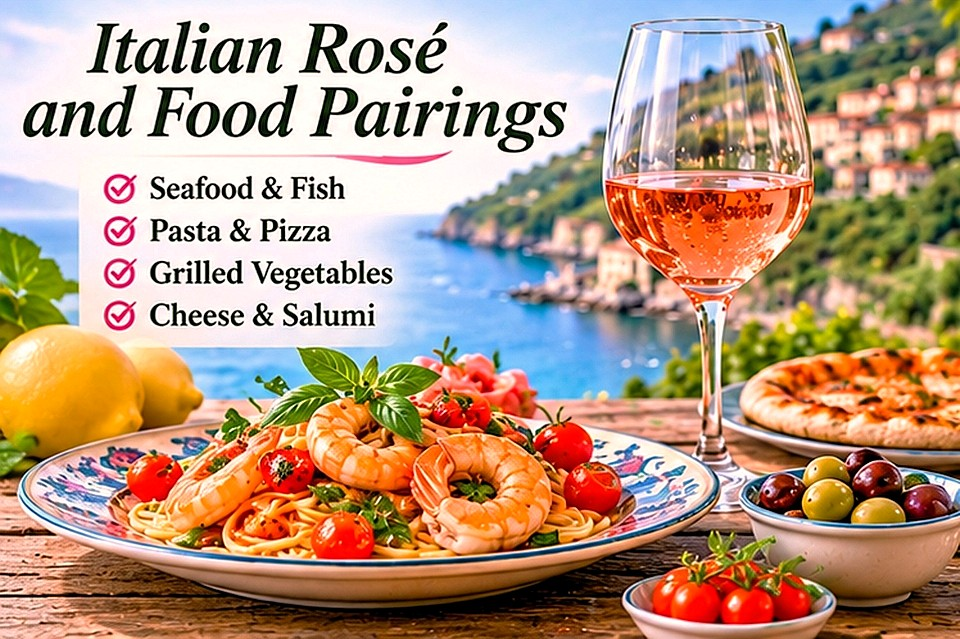
Italian rosé wine and food pairings featuring seafood pasta, grilled prawns, Mediterranean vegetables, olives, fresh tomatoes and a glass of rosato.
7. Italian Rosé and Food Pairings
One of the greatest advantages of Italian rosé is its versatility with food. Its fruit character and acidity make it suitable for dishes that can be difficult to match with either a very light white wine or a full-bodied red.
Seafood and shellfish
Fresh, dry rosato is an excellent match for grilled prawns, calamari, mussels, clams, seafood salads and grilled fish. Chiaretto and lighter Etna rosato are particularly suitable because their freshness complements seafood without overwhelming delicate flavours.
Pasta and risotto
Italian rosé can accompany a wide range of pasta dishes. Try a fresh Chiaretto with seafood linguine, or serve a fruitier Negroamaro rosato with tomato-based pasta. Cerasuolo d’Abruzzo can work particularly well with richer pasta sauces, roasted vegetables and dishes featuring cured meat.
Pizza
Rosato is a natural partner for pizza. Its acidity helps balance tomato sauce, while its fruit character complements mozzarella, herbs and vegetables. Try a Puglian rosato with pizza topped with tomatoes, olives, roasted peppers and Italian sausage.
Grilled vegetables
Grilled zucchini, aubergine, peppers, asparagus and mushrooms work beautifully with dry rosato. The wine’s freshness complements the natural sweetness created by grilling.
Poultry and grilled meats
More structured Italian rosé can accompany roast chicken, grilled turkey, pork and lamb. Cerasuolo d’Abruzzo and Aglianico rosato are particularly interesting options when the dish has stronger flavours.
Cheese and charcuterie
Italian rosato works well with antipasti boards featuring prosciutto, salami, olives, mozzarella, burrata, pecorino and semi-aged cheeses. A fruit-forward rosato can balance salty cured meats, while a more delicate Chiaretto works nicely with fresh cheeses.
A practical food-pairing guide
| Food | Italian rosé style to try |
|---|---|
| Grilled prawns | Chiaretto di Bardolino |
| Seafood pasta | Etna Rosato |
| Pizza Margherita | Negroamaro rosato |
| Tomato-based pasta | Salento Rosato |
| Grilled chicken | Valtènesi Chiaretto |
| Lamb or grilled pork | Cerasuolo d’Abruzzo |
| Burrata and prosciutto | Dry Puglian rosato |
| Grilled vegetables | Sangiovese rosato |
| Mediterranean fish | Sicilian rosato |
8. How to Serve and Store Italian Rosé
Serving temperature can make a significant difference to the way rosato tastes.
Recommended serving temperature
Most fresh Italian rosato is best served chilled, generally around 8–12°C (46–54°F). Lighter and more delicate wines can be served toward the cooler end of this range. More structured rosato may show its aromas and texture better slightly warmer. Avoid serving rosé extremely cold, because excessive chilling can reduce its aroma and make the wine seem less expressive.
Choose the right glass
A standard white wine glass is suitable for most Italian rosato. A glass with a slightly wider bowl can help more structured examples, such as Cerasuolo d’Abruzzo, reveal their aromas.
Should Italian rosé be decanted?
Most fresh rosato does not need decanting. Simply open the bottle, allow the wine to settle briefly and serve. Some more structured or mature examples may benefit from a little time in the glass.
How to store an unopened bottle
Store rosé in a cool, dark place away from direct sunlight and large temperature changes. For longer storage, a temperature-controlled wine refrigerator is preferable to a warm kitchen or cupboard.
How long does an opened bottle last?
After opening, reseal the bottle and refrigerate it. Many rosé wines remain enjoyable for approximately two to three days, although freshness and aroma gradually decline. Use a suitable wine stopper and keep the bottle chilled.
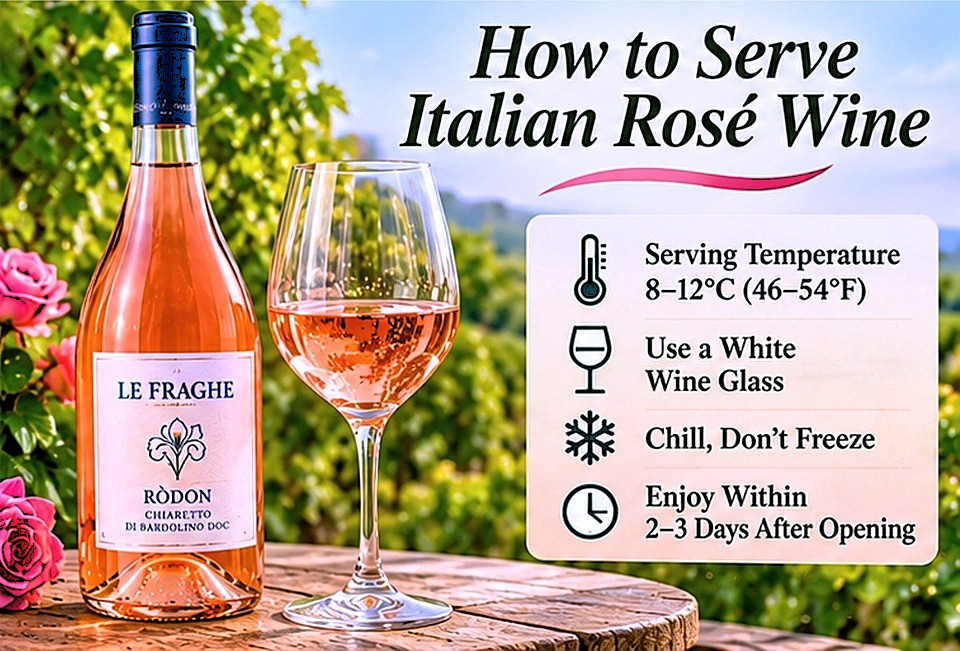
How to serve Italian rosé wine, featuring a chilled rosato bottle, wine glass, recommended serving temperature of 8–12°C and proper wine-serving tips.
9. Frequently Asked Questions About Italian Rosé Wine
What is Italian rosé wine called?
Italian rosé wine is called rosato. The word means pink or rosé in Italian. Some regional styles have their own names, including Chiaretto and Cerasuolo.
What are the best Italian rosé wine brands?
Notable Italian rosé producers include Donnafugata, Leone de Castris, Tormaresca, Rosa del Golfo, Le Fraghe, Costaripa, Muri-Gries, Ciavolich, Cataldi Madonna, Bonavita, Elena Fucci, Garofoli, Ceraudo, Cantine del Notaio and ‘A Vita. Each producer represents a different region, grape variety or style.
What is the most famous Italian rosé wine?
There is no single universally accepted answer. Five Roses from Leone de Castris is one of Italy’s historically recognizable rosé labels. Chiaretto di Bardolino and Cerasuolo d’Abruzzo are also among the country’s best-known traditional rosé styles.
What is Cerasuolo d’Abruzzo?
Cerasuolo d’Abruzzo is a protected Italian rosé wine appellation made from Montepulciano grapes. It is known for its cherry-pink colour, red-fruit aromas and more substantial structure compared with many pale rosé wines.
What is Chiaretto wine?
Chiaretto is a traditional rosé style associated with areas around Lake Garda. Chiaretto di Bardolino is generally made from Corvina and other permitted local grapes, producing fresh, dry and aromatic wines.
Is Italian rosé sweet or dry?
Most traditional Italian rosato wines are dry, although sweetness can vary. Chiaretto, Cerasuolo d’Abruzzo and many southern Italian rosatos are commonly produced in dry styles.
Which Italian grape varieties are used for rosé?
Important varieties include Corvina, Groppello, Montepulciano, Negroamaro, Primitivo, Gaglioppo, Lagrein, Aglianico, Nerello Mascalese and Sangiovese.
What is the difference between Chiaretto and Cerasuolo?
Chiaretto is generally associated with fresh, delicate rosé from areas around Lake Garda. Cerasuolo d’Abruzzo is made from Montepulciano and typically has a deeper cherry-pink colour and more substantial fruit character.
What food goes best with Italian rosé?
Italian rosé pairs well with seafood, grilled fish, pizza, pasta, salads, grilled vegetables, poultry, cured meats and Mediterranean dishes. The best pairing depends on the wine’s body, acidity and flavour intensity.
At what temperature should Italian rosé be served?
Most Italian rosato is best served at approximately 8–12°C (46–54°F). Lighter styles can be served cooler, while more structured rosé often benefits from a slightly warmer serving temperature.
Can Italian rosé be aged?
Most rosato is intended to be enjoyed young, but some structured wines can develop additional complexity. Follow the producer’s recommendations for the specific bottle and vintage.
Is Pinot Grigio rosé?
Pinot Grigio is usually made as a white wine, but its naturally coloured grape skins can produce a copper-pink style known as ramato when the juice spends time in contact with the skins.
Is Italian rosé good for summer?
Yes. Many Italian rosato wines are refreshing, dry and aromatic, making them excellent choices for summer dining, outdoor entertaining, picnics and aperitifs.
10. Discover Italian Rosé Wine with Always Dial A Bottle Toronto
Italian rosé offers an exciting way to explore the diversity of Italy’s wine regions. From the delicate Chiaretto wines of Lake Garda to the vibrant Cerasuolo d’Abruzzo, from the fruit-rich Negroamaro rosatos of Puglia to the elegant volcanic wines of Mount Etna, every region brings something different to the glass.
The producers featured in this guide demonstrate why Italian rosato deserves attention throughout the year, not just during the summer months. Whether you prefer a crisp and refreshing aperitif, a delicate rosé for seafood, or a more structured wine for dinner, Italy offers a remarkable range of choices.
At Always Dial A Bottle Toronto, we help customers discover wine and other beverages for everyday enjoyment, celebrations, dinner parties and special occasions.
Explore our wine selection and discover options for wine delivery in Toronto and the Greater Toronto Area. From a relaxed evening at home to a gathering with family and friends, the right bottle of Italian rosé can bring a little Mediterranean character to the table.
Explore wine at Always Dial A Bottle Toronto and discover your next favourite bottle.