
Blog
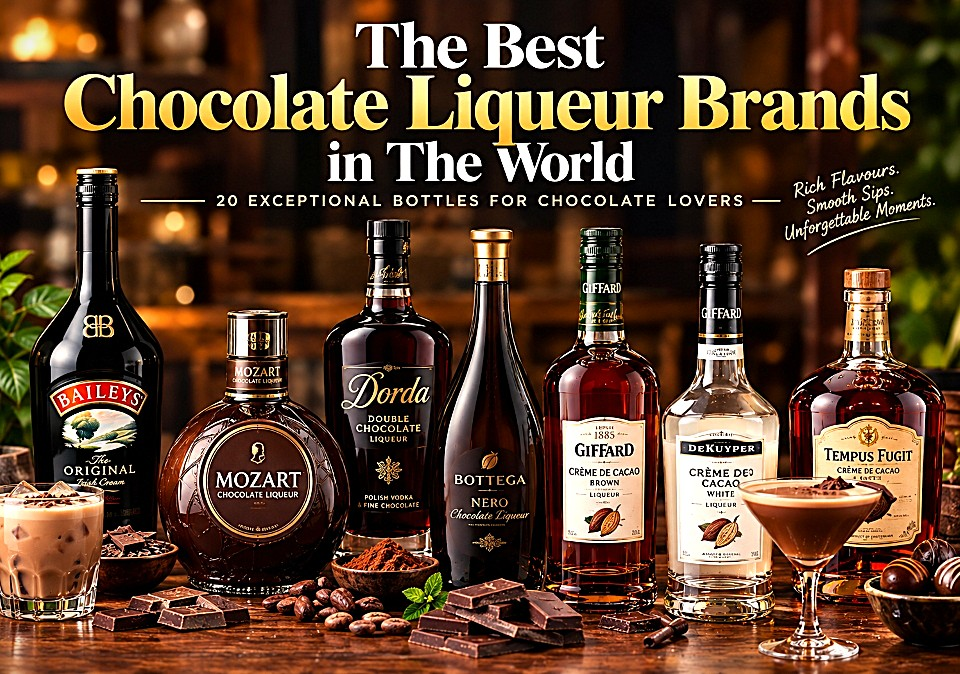
The Best Chocolate Liqueur Brands in the World: 20 Exceptional Bottles for Chocolate Lovers

The Best Chocolate Liqueur Brands in the World: 20 Exceptional Bottles for Chocolate Lovers
Chocolate and spirits make a natural pairing. Combine the rich aroma of cocoa with the warmth of distilled spirits, a touch of sweetness and, in some recipes, silky cream, and the result is one of the most indulgent categories in the liqueur world: chocolate liqueur.
The best chocolate liqueur brands offer much more than a sweet chocolate flavour. Some produce creamy, dessert-like drinks designed for sipping after dinner. Others specialise in dark cocoa liqueurs with a clean finish, while traditional crème de cacao is an essential ingredient in classic cocktails.
There are also white chocolate expressions, coffee-and-chocolate combinations and bottles that bring distinctive European spirits-making traditions to the category. Whether you are looking for a luxurious after-dinner drink, a versatile cocktail ingredient, a special gift or a bottle to serve with dessert, choosing the right chocolate liqueur can make a real difference.
In this guide, we explore 20 notable chocolate liqueur brands and expressions from around the world, explain how they differ, recommend ways to serve them, and share cocktail recipes and buying tips. We also cover what shoppers in Toronto and the Greater Toronto Area should know when looking for chocolate liqueur.
This is an editorial selection based on product style, versatility, producer reputation and usefulness for different occasions—not a verified worldwide sales ranking. Product ranges and availability can vary by country, province and retailer.
Table of Contents
-
-
- What Is Chocolate Liqueur?
- Chocolate Liqueur vs. Crème de Cacao
- The 20 Best Chocolate Liqueur Brands in the World
- Best Chocolate Liqueur by Style
- How to Choose a Chocolate Liqueur
- How to Drink Chocolate Liqueur
- Eight Chocolate Liqueur Cocktail Recipes
- Chocolate Liqueur and Food Pairings
- Buying Chocolate Liqueur in Toronto and the GTA
- Frequently Asked Questions
- Final Thoughts
-
1. What Is Chocolate Liqueur?
Chocolate liqueur is a sweetened alcoholic beverage flavoured with cocoa, chocolate or related ingredients. Depending on the producer and recipe, it may contain cream, milk, cocoa butter, vanilla, coffee, spices or other flavourings.
Some chocolate liqueurs are thick and creamy, with a texture resembling melted milk chocolate. Others are thinner and more spirit-forward, with notes of roasted cocoa beans, dark chocolate and vanilla. Traditional crème de cacao usually belongs to the latter category and is widely used in cocktail making.
The alcohol base also influences the final character. A producer may use neutral spirit, vodka, rum, brandy or another spirit, depending on the intended style. Some recipes emphasise the chocolate itself; others use the base spirit to add warmth and complexity.
The main styles of chocolate liqueur
-
-
- Chocolate cream liqueur: Creamy, rich and often reminiscent of milk chocolate or chocolate dessert. It can be enjoyed chilled, over ice or in dessert cocktails.
- Dark chocolate liqueur: Usually designed to highlight cocoa intensity, with flavours that can include roasted beans, bittersweet chocolate, vanilla and caramel. Some are cream-free.
- White chocolate liqueur: Often built around cocoa butter, cream and vanilla rather than the darker roasted flavours associated with cocoa solids. It is useful in lighter-coloured dessert cocktails.
- Crème de cacao: A traditional chocolate-flavoured liqueur available in clear or white and dark or brown versions. It is particularly valuable in classic cocktails because it contributes chocolate flavour without necessarily adding the richness of cream.
- Flavoured chocolate liqueur: Combines chocolate with coffee, coconut, strawberry, caramel, mint or other ingredients to create a more specialised profile.
-
The best option depends on how you intend to use the bottle. For sipping, texture and balance may matter most. For cocktails, sweetness, colour, strength and how the liqueur combines with other ingredients become especially important.
2. Chocolate Liqueur vs. Crème de Cacao
Although the names are sometimes used interchangeably, chocolate liqueur and crème de cacao are not always the same product. Chocolate cream liqueurs are generally designed to deliver a rich, rounded chocolate experience. Their creamy texture makes them attractive for sipping, dessert drinks and recipes that call for a velvety finish.
Crème de cacao is a classic cocktail liqueur flavoured with cacao. It typically has a thinner consistency and may be clear or brown. White crème de cacao does not mean that the product is necessarily made from white chocolate; the name commonly refers to a clear style. Brown crème de cacao has a darker appearance and often contributes a more obvious cocoa-coloured finish to drinks.
For example, Giffard’s brown crème de cacao is described by the producer as a cocoa-extract liqueur with roasted-cocoa, vanilla and chocolate aromas. DeKuyper also offers white and dark crème de cacao expressions for cocktails. These products illustrate why it is useful to identify the style before buying.
Official product information:
Quick tip: If you want a thick, chocolate-dessert-style drink, start with a chocolate cream liqueur. If you are making a cocktail that specifically calls for crème de cacao, choose the appropriate white or dark version instead.
3. The 20 Best Chocolate Liqueur Brands in the World
The following selection includes creamy chocolate liqueurs, dark cocoa expressions and traditional crème de cacao. Some brands are specialists in chocolate liqueur, while others are better known for their broader ranges of cocktail ingredients.
1. Mozart Chocolate Liqueur — Austria
Mozart is one of the most recognisable specialist names in chocolate liqueur. Its range includes creamy milk chocolate, white chocolate and dark chocolate styles, along with variations that combine chocolate with coffee, coconut, strawberry and other flavours.
The brand’s Austrian identity and chocolate-centred product range make it an appealing starting point for anyone exploring the category. Its different expressions also demonstrate how significantly chocolate liqueurs can vary in texture and intensity.
What to try: Mozart Chocolate Cream for a rich, milk-chocolate profile; Mozart White Chocolate for a lighter, vanilla-led character; or Mozart Dark Chocolate for a less creamy style.
Flavour profile: Depending on the expression, expect combinations of cocoa, vanilla, caramel, cream or darker roasted-cocoa notes.
Best for: Chocolate liqueur beginners, dessert drinks and people who want to compare different chocolate styles from one producer.
Serving suggestion: Serve the cream expression chilled in a small glass, or use it in a chocolate espresso cocktail. The dark expression is worth considering when you want chocolate flavour without a cream-based texture.
Explore the producer’s official Mozart product range for current expressions and product details.
2. Dorda Double Chocolate Liqueur — Poland
Dorda Double Chocolate is designed for drinkers who want a pronounced dark-chocolate character. The producer describes it as a combination of dark chocolate and Chopin Rye Vodka, giving the liqueur a distinctive connection to Polish spirits-making.
Its rich chocolate profile makes it suitable for dessert-style drinks, coffee cocktails and recipes where chocolate needs to be a leading flavour rather than a subtle background note.
What to expect: Deep chocolate flavour, sweetness and a rounded texture. It is a useful option for people who prefer a decadent drink rather than a delicate cocoa accent.
Best for: Chocolate martinis, dessert cocktails, coffee drinks and pouring over ice cream.
Serving suggestion: Try a small chilled pour first. If mixing, combine it with vodka or espresso and adjust the sweetness carefully; adding several sweet ingredients can make a cocktail overly rich.
Dorda also publishes cocktail ideas using its Double Chocolate expression. See the official Dorda product collection.
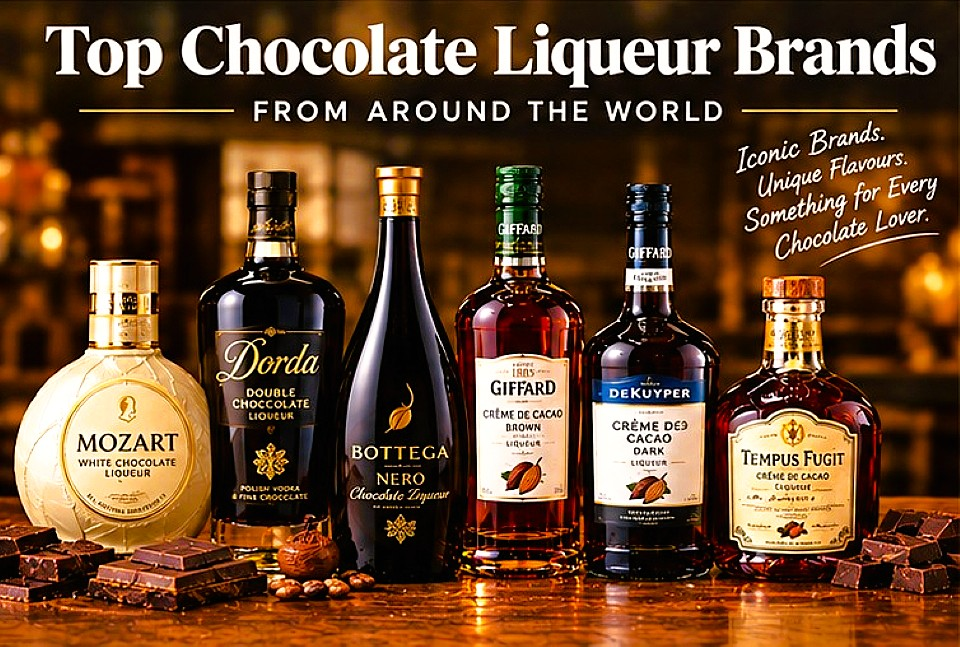
Chocolate liqueur bottles from several producers arranged together, showing creamy chocolate liqueurs and traditional crème de cacao.
3. Bottega Nero — Italy
Bottega Nero is an Italian chocolate liqueur built around cocoa. The producer describes its flavour as reminiscent of dark chocolate and notes that the addition of grappa contributes a distinctive aromatic character.
This makes Bottega Nero an interesting alternative to cream-heavy chocolate liqueurs. Its profile connects the flavour of cocoa with a traditional Italian spirit, creating a different experience from products designed primarily to resemble liquid chocolate.
Flavour profile: Chocolate, cocoa and a spirit-derived aromatic finish.
Best for: After-dinner sipping, dessert pairings and cocktails that benefit from a clear chocolate identity.
Serving suggestion: Serve chilled in a small glass, or pour a modest amount over vanilla ice cream. Its chocolate character can also complement espresso-based desserts.
Bottega Nero is a strong choice for readers who want to explore an Italian interpretation of chocolate liqueur. Product details are available on the producer’s official Nero chocolate liqueur page.
4. Tempus Fugit Crème de Cacao — Switzerland
Tempus Fugit Spirits focuses on recreating historic liqueur styles and traditional cocktail ingredients. Its Crème de Cacao is based on a nineteenth-century recipe, according to the producer, and combines cacao with vanilla.
Rather than aiming to taste like a thick chocolate milkshake, this expression is intended to deliver a more traditional cocoa profile for cocktails. That makes it especially relevant to people who enjoy classic recipes and want a chocolate ingredient with character.
Flavour profile: Cocoa, vanilla and bittersweet chocolate notes, with a sweeter, rounded palate.
Best for: Classic cocktails, craft bartending and recipes where chocolate needs to integrate with other spirits rather than dominate the texture.
Serving suggestion: Use it in a classic chocolate-and-spirit cocktail or combine it with brandy for a richer after-dinner drink.
Tempus Fugit is worth considering when the goal is a cocktail ingredient rather than a cream liqueur for sipping. Read the producer’s Crème de Cacao product information.
5. Giffard Crème de Cacao Brown — France
Giffard has a long history in liqueur production and offers a broad range of products for cocktail use. Its brown crème de cacao is made from cocoa extract and is described by the producer as having a strong cocoa aroma with vanilla and chocolate notes.
The brown style is useful when a cocktail benefits from both chocolate flavour and a darker appearance. It is also an option for home bartenders who want a versatile bottle without the creaminess of a dessert liqueur.
Flavour profile: Roasted cocoa, chocolate and vanilla.
Best for: Chocolate cocktails, after-dinner drinks and home bars.
Serving suggestion: Use it in a chocolate variation of a classic sour, or combine it with a spirit and a small amount of cream when you want a richer texture.
Giffard also offers a white crème de cacao, making it possible to choose between clear and brown versions according to the recipe. See Giffard’s brown crème de cacao and Giffard Canada.
6. DeKuyper Crème de Cacao — Netherlands
DeKuyper is a well-established name in cocktail liqueurs. Its white and dark crème de cacao products are intended for mixed drinks, making the brand a practical choice for people building a home bar. White crème de cacao is useful when you want chocolate flavour without a brown colour changing the appearance of the drink. Dark crème de cacao can add a more obvious cocoa tone to the finished cocktail.
Flavour profile: Sweet chocolate and cocoa, with vanilla notes depending on the expression.
Best for: Home bartenders, classic cocktails and recipes that specify crème de cacao.
Serving suggestion: Keep both white and dark styles in mind if you make a wide variety of cocktails. They are not always interchangeable, because colour and flavour can affect the final result.
DeKuyper is particularly useful for readers who are learning the difference between chocolate cream liqueur and traditional cocktail liqueurs. Explore DeKuyper White Crème de Cacao and DeKuyper Dark Crème de Cacao.
7. Bols Crème de Cacao — Netherlands
Bols is another historic name in the cocktail world, with a broad portfolio of liqueurs used by bartenders. Its crème de cacao style is worth researching when selecting ingredients for chocolate-forward mixed drinks.
Traditional crème de cacao is valued for its ability to add cocoa flavour without introducing the heavy dairy texture of a cream liqueur. That makes it particularly useful in cocktails that already contain spirits, citrus, coffee or other flavour components.
Best for: Cocktail enthusiasts and people interested in classic mixed drinks.
How to use it: Follow the specific recipe’s instructions and check whether it calls for white or brown crème de cacao. Confirm the current local product range before buying, as availability can vary. Bols belongs on a chocolate-liqueur shortlist because cocktail versatility is an important part of this category—not every excellent chocolate liqueur needs to be a sipping product.
8. Marie Brizard Cacao Liqueur — France
Marie Brizard is a French liqueur producer known for ingredients used in cocktails. Its cacao liqueur range is worth considering for bartenders looking for a traditional chocolate-flavoured component.
The key reason to explore a cacao liqueur from a cocktail-focused producer is balance. In a well-made drink, the chocolate note should complement the base spirit and other ingredients rather than overwhelm them with sweetness.
Best for: Classic cocktail experimentation and recipes that call for cacao liqueur.
Serving suggestion: Use a measured pour in a spirit-forward cocktail and taste before adding extra sugar syrup. Chocolate liqueurs already contribute sweetness, so additional sweetener may not be necessary.
9. Hiram Walker Crème de Cacao — Canada and North America
Hiram Walker is a familiar name in North American liqueurs, and its crème de cacao style has historically been associated with home-bar recipes.
Best for: Cocktail recipes, home bartending and people looking for a traditional cacao liqueur.
How to use it: Check the recipe for the required colour and style. White crème de cacao is generally preferred when colourless chocolate flavour is desirable; brown versions can add a deeper appearance.
10. Giffard Crème de Cacao White — France
Giffard’s white crème de cacao provides a lighter-coloured alternative to its brown expression. The distinction is particularly important in cocktails where the visual appearance matters, such as pale dessert drinks or cocktails containing cream.
White crème de cacao should not automatically be confused with a white chocolate cream liqueur. It is a traditional cacao liqueur style, not necessarily a liquid version of white chocolate.
Flavour role: Chocolate and cocoa flavour in a clear or pale cocktail format.
Best for: Pale chocolate cocktails, classic mixed drinks and recipes where a dark liqueur would change the colour.
Serving suggestion: Pair it with vanilla, cream or coffee flavours when the recipe calls for a smooth dessert profile. Measure carefully because a little can add noticeable sweetness. This is a useful bottle for people who want to expand beyond one general-purpose chocolate liqueur.
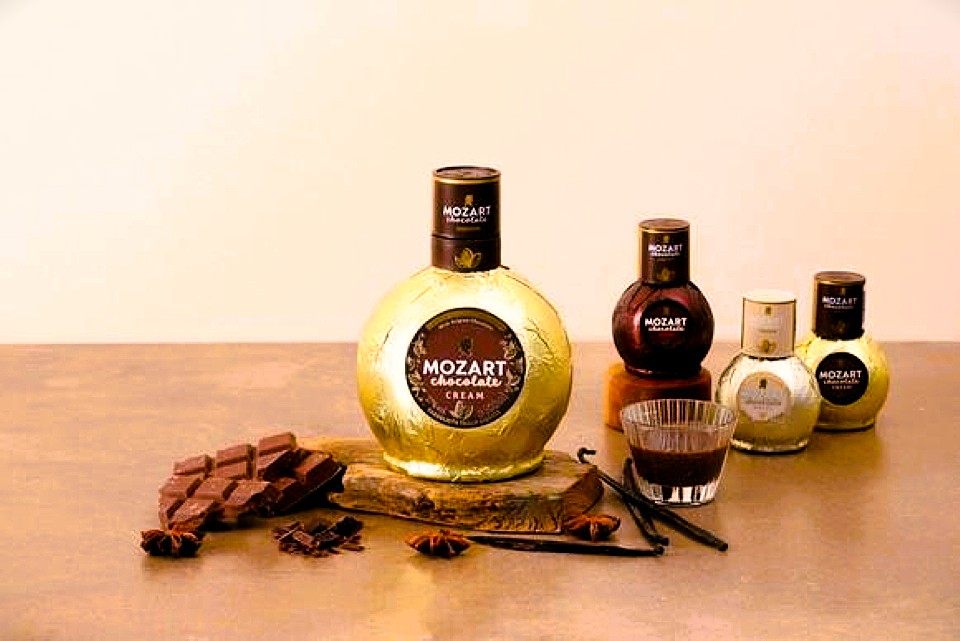
Mozart Chocolate Liqueur — Austria
11. Mozart White Chocolate — Austria
Mozart White Chocolate is designed around cocoa butter, cream, vanilla and caramel notes. Compared with dark chocolate styles, it offers a lighter flavour profile and a different texture. White chocolate liqueur can be particularly appealing to people who enjoy vanilla desserts, creamy cocktails and sweet after-dinner drinks. It can also create attractive cocktails when paired with coffee, berries or mint.
Flavour profile: Cocoa butter, vanilla, caramel and cream.
Best for: Dessert cocktails, sweet martinis and indulgent drinks served after dinner.
Serving suggestion: Try a small chilled pour or mix it with vodka and a modest amount of cream. For a fresher contrast, consider a restrained mint or berry garnish.
Because white chocolate liqueurs can be quite sweet, balance them with unsweetened coffee or a less-sweet spirit rather than adding more syrup automatically. Explore the official Mozart White Chocolate page.
12. Mozart Dark Chocolate — Austria
Mozart Dark Chocolate offers a different approach from the brand’s creamier expressions. The producer describes it as a dark chocolate liqueur without cream, with notes associated with cocoa beans, vanilla and caramel.
That cream-free style can be useful for drinkers who want a darker chocolate profile without the weight of a dairy-based liqueur. However, always check the product label for ingredients and dietary suitability rather than relying on a general description.
Flavour profile: Dark cocoa, vanilla and caramel, with a more fluid texture than a cream liqueur.
Best for: Dark chocolate cocktails, creative mixed drinks and people who prefer a less creamy style.
Serving suggestion: Use it with vodka or in a chocolate variation on a sour cocktail. A small amount can also add complexity to coffee drinks. Explore the producer’s official Dark Chocolate product page.
13. Mozart Chocolate Coffee — Austria
Chocolate and coffee are natural companions, and Mozart’s Chocolate Coffee expression brings the two flavours together in one bottle. The combination can create a dessert-like profile while retaining the aromatic character of coffee.
This style can be useful for people who want a simple ingredient for espresso-inspired cocktails without building the flavour from several separate liqueurs.
Flavour profile: Chocolate, roasted coffee and supporting vanilla or fruity notes, according to the producer’s description.
Best for: Coffee cocktails, after-dinner drinks and dessert-inspired mixed drinks.
Serving suggestion: Combine a measured amount with espresso and a suitable spirit, then taste before adding sugar. The coffee can help balance the chocolate’s sweetness. For the best result, serve coffee cocktails freshly prepared and chilled rather than allowing them to sit for too long.
14. Mozart Coconut Chocolate — Austria
Mozart Coconut Chocolate combines chocolate flavour with coconut notes. It is a more tropical interpretation of the category and offers a useful alternative to straightforward milk or dark chocolate profiles.
Coconut and chocolate can work well with rum, vanilla and pineapple, but the finished drink can become excessively sweet if every ingredient contributes sugar. Use fresh citrus or an unsweetened mixer when a recipe needs extra balance.
Best for: Tropical dessert cocktails, coconut-inspired drinks and creative summer serves.
Serving suggestion: Try it with rum and a small amount of pineapple juice, adjusting the proportions to keep the drink balanced. A little toasted coconut can work as a garnish. This expression is worth exploring for drinkers who enjoy flavoured chocolate liqueurs rather than traditional cocoa-only styles.
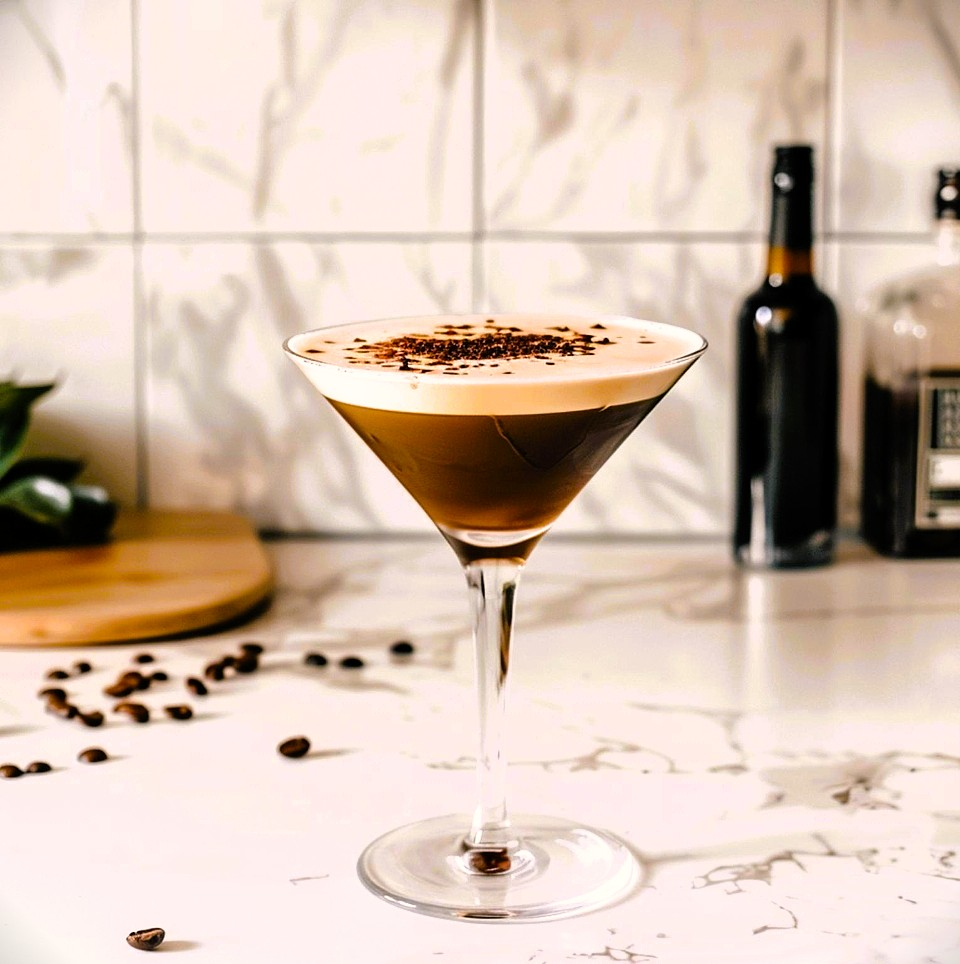
best chocolate liqueur for cocktails
15. Mozart Strawberry Chocolate — Austria
Strawberry and chocolate are a familiar dessert pairing. Mozart’s strawberry expression combines a strawberry profile with white chocolate-style notes, offering a fruitier alternative to conventional chocolate liqueurs. This is a style for people who enjoy sweet, dessert-inspired flavours. It can also be used in celebratory drinks where colour and aroma are part of the appeal.
Flavour profile: Strawberry, white chocolate, vanilla and cream-like notes.
Best for: Dessert cocktails, sweet after-dinner drinks and special-occasion serves.
Serving suggestion: Pair it with a small amount of vodka or serve chilled in a dessert-style glass. Fresh strawberry can provide a fragrant garnish without adding much extra sweetness. Because fruit-and-chocolate liqueurs vary in sweetness, begin with a smaller pour when developing a new cocktail recipe.
16. Mozart Pumpkin Spice Chocolate — Austria
Mozart’s pumpkin-spice expression combines chocolate with seasonal flavours associated with pumpkin, caramel and warming spices. It offers a different option for autumn and winter drinks. The appeal is less about pure cacao intensity and more about a broader dessert profile. Cinnamon and clove can add warmth, while vanilla and caramel soften the overall flavour.
Best for: Autumn cocktails, winter dessert drinks and seasonal entertaining.
Serving suggestion: Add a measured amount to hot chocolate or coffee, ensuring the drink is not too hot when served. It can also be combined with a compatible spirit for a chilled seasonal cocktail. This style illustrates the range of modern chocolate liqueurs: producers can build on chocolate with flavours that extend beyond the classic dark-versus-milk distinction.
17. Bottega Nero — Italy, for Italian-style dessert pairings
Bottega Nero deserves special mention for readers who enjoy pairing liqueurs with Italian desserts. Its cocoa-based flavour and grappa component give it a different character from cream-based chocolate drinks. Try it alongside panna cotta, biscotti, chocolate cake or a small serving of gelato. A modest pour is often enough because the sweetness and aroma of a liqueur can make a dessert feel richer.
Best for: Italian-inspired dessert pairings and after-dinner sipping.
Serving suggestion: Serve chilled, and keep the accompanying dessert relatively simple. Vanilla, coffee and cream flavours can complement chocolate without competing with it. When a brand appears more than once in a guide, the goal should be to explain a distinct use case rather than imply that it is a different producer or product.
18. Tempus Fugit Crème de Cacao — for classic cocktails
Tempus Fugit’s traditional cacao liqueur is especially useful for people interested in historical cocktail styles. Its focus on a traditional recipe makes it a different proposition from modern cream liqueurs designed for sipping.
Use it where the recipe requires crème de cacao, and pay attention to whether the cocktail specifies a clear or brown version. Substituting a cream liqueur can change not only the sweetness but also the body, dilution and texture of the drink.
Best for: Cocktail enthusiasts, bartenders and people building a more specialised home bar.
Serving suggestion: Use a jigger to measure accurately. Chocolate liqueurs can quickly dominate delicate spirits if the proportions are not controlled. For cocktail making, the best bottle is not necessarily the sweetest or richest one. It is the bottle that provides the flavour and texture the recipe needs.
19. DeKuyper Dark Crème de Cacao — for chocolate-forward mixed drinks
DeKuyper Dark Crème de Cacao is a practical option for cocktail recipes that call for a dark chocolate-flavoured liqueur. The producer describes its version as a sweet chocolate liqueur using African cacao and Madagascan vanilla.
A brown cacao liqueur can help build a deeper colour and chocolate flavour in mixed drinks. It is especially useful for recipes that combine chocolate with coffee, cream, vanilla or stronger spirits.
Best for: Chocolate martinis, dessert cocktails and traditional mixed drinks.
Serving suggestion: Combine it with a compatible base spirit and add cream only if the recipe calls for it. This gives you greater control over the finished drink’s texture. The key is to choose the right style for the recipe, rather than assuming all chocolate liqueurs will behave in the same way.
20. Dorda Double Chocolate — for decadent dessert drinks
Dorda Double Chocolate rounds out this selection as a bottle for people who want chocolate to be the centre of attention. Its combination of chocolate and vodka makes it well suited to indulgent drinks and dessert pairings.
It can be enjoyed in a modest chilled pour or used as the chocolate component of a cocktail. It also works with coffee and ice cream, although the finished drink can become very rich if several sweet ingredients are combined.
Best for: Chocolate lovers, dessert cocktails and special-occasion drinks.
Serving suggestion: Try a small amount with freshly brewed coffee or espresso. Add cream only if you want a fuller texture, and avoid adding extra sweetener until you have tasted the drink. For a cocktail-focused chocolate liqueur, Dorda is a worthwhile expression to compare with traditional crème de cacao.
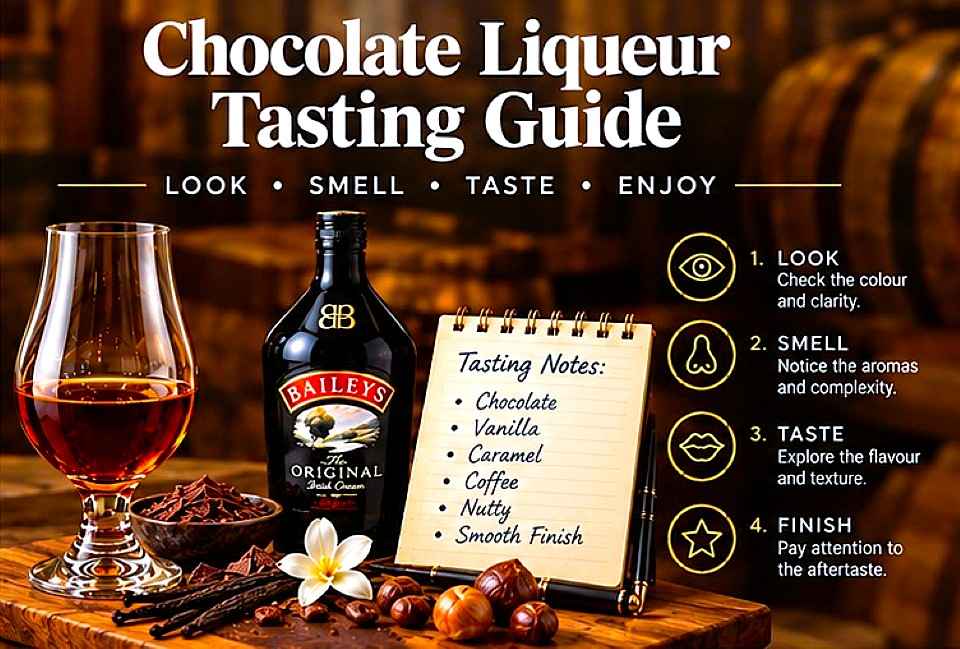
A glass of chocolate liqueur beside cocoa, vanilla and tasting notes illustrating chocolate aroma, flavour and finish.
4. Best Chocolate Liqueur by Style
The best chocolate liqueur depends on what you want from the bottle. Rather than declaring a single universal winner, consider these style-based recommendations.
| What you’re looking for | Bottles to consider | Why |
|---|---|---|
| Creamy milk chocolate | Mozart Chocolate Cream | Rich, smooth chocolate-cream style |
| White chocolate | Mozart White Chocolate | Vanilla, caramel and cocoa-butter character |
| Dark chocolate without cream | Mozart Dark Chocolate | Cocoa-led profile with a more fluid texture |
| Double-chocolate dessert drinks | Dorda Double Chocolate | Designed for a pronounced chocolate flavour |
| Italian chocolate liqueur | Bottega Nero | Cocoa with a distinctive grappa note |
| Classic cocktail ingredient | Tempus Fugit Crème de Cacao | Traditional cacao-liqueur style |
| Brown crème de cacao | Giffard Crème de Cacao Brown | Cocoa, chocolate and vanilla character |
| White crème de cacao | Giffard or DeKuyper White | Useful when a clear chocolate liqueur is needed |
| Chocolate and coffee | Mozart Chocolate Coffee | Two complementary dessert flavours |
| Chocolate and coconut | Mozart Coconut Chocolate | Tropical flavour variation |
These are style recommendations, not claims that one product wins every blind tasting or is available at every retailer.
5. How to Choose a Chocolate Liqueur
Before buying a bottle, consider how you plan to serve it. A liqueur that is excellent on its own may not be the best choice for a classic cocktail.
Consider the texture
Cream liqueurs are usually fuller and more dessert-like. Traditional crème de cacao is generally more fluid and can be easier to incorporate into cocktails that do not need a dairy component. If you enjoy sipping a liqueur slowly after dinner, texture may be a major consideration. If you plan to make cocktails, consider how the liqueur will affect the drink’s overall body.
Decide between milk, dark and white chocolate styles
Milk-chocolate liqueurs are often approachable, sweet and creamy. Dark chocolate expressions can emphasise cocoa and roasted flavours. White chocolate styles tend to highlight cocoa butter, vanilla and caramel.
Check the alcohol content
Chocolate liqueurs vary in alcohol by volume (ABV). A cream liqueur may have a different strength from a traditional crème de cacao. Alcohol content affects both the drink’s character and how much you may wish to pour. Do not assume that a sweet taste means a low alcohol content. Check the bottle label and serve responsibly.
Consider dietary requirements
Some chocolate liqueurs contain cream, milk or other allergens. Others are produced without cream, but that does not automatically guarantee that every product is suitable for every dietary requirement. Read the label carefully if you need to avoid dairy, gluten or particular ingredients. For allergies or strict dietary needs, check the manufacturer’s current ingredient information.
Think about the intended occasion
For a dinner party, a creamy chocolate liqueur can work well as an after-dinner pour. For cocktail making, a traditional crème de cacao may offer more flexibility. For a gift, consider the recipient’s preference for dark chocolate, milk chocolate, coffee or flavoured dessert drinks. A thoughtful choice is more useful than simply selecting the bottle with the most elaborate packaging.
6. How to Drink Chocolate Liqueur
Chocolate liqueur is versatile, but the best serving method depends on the style.
Neat and chilled
Creamy chocolate liqueurs can be served chilled in small glasses. Cooling the drink can make it feel refreshing and help the texture remain pleasant. Avoid serving an unfamiliar product too cold at first, as very low temperatures can mute some aromas.
Over ice
A small amount of ice can soften the sweetness and dilute the liqueur gradually. This works especially well with products that have a strong chocolate profile.
With coffee or espresso
Chocolate and coffee are natural partners. A modest pour of chocolate liqueur can add sweetness and cocoa flavour to espresso or coffee. Taste before adding sugar or flavoured syrup.
In hot chocolate
Chocolate liqueur can turn ordinary hot chocolate into an adult dessert drink. Prepare the hot chocolate first, allow it to cool slightly, then stir in the liqueur. Avoid boiling the liqueur or heating it directly for an extended period.
Over ice cream or dessert
A small drizzle over vanilla ice cream, brownies or chocolate cake can provide an easy dessert pairing. Start with a modest amount so the liqueur complements rather than overwhelms the food.
In cocktails
Traditional crème de cacao is useful for classic cocktails, while cream liqueurs are better suited to recipes that benefit from a richer texture. Use the specific style requested in the recipe whenever possible.
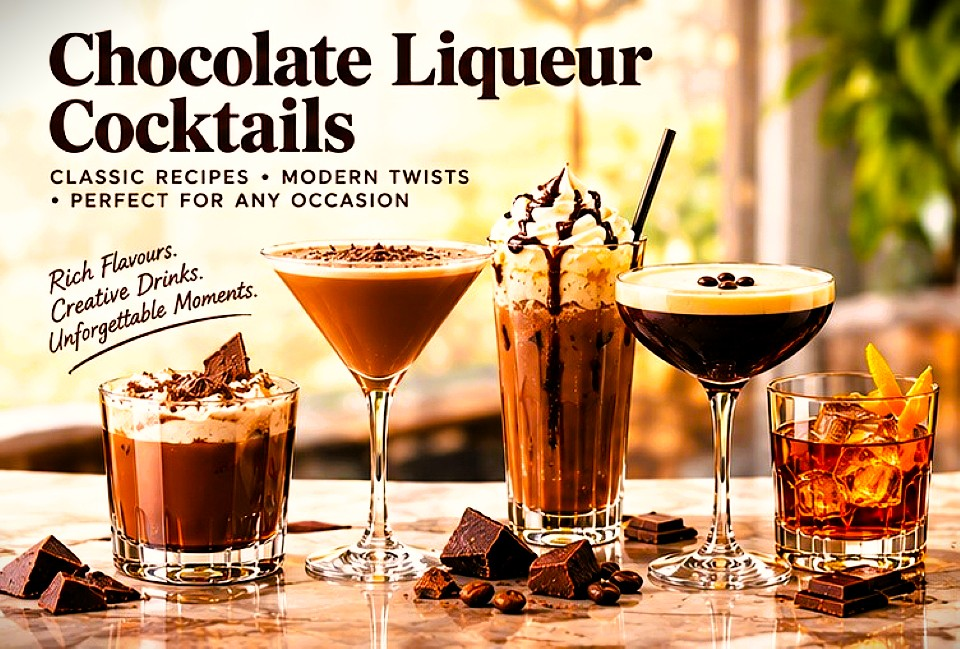
Chocolate liqueur cocktails, including chocolate martinis and creamy chocolate drinks, served with chocolate shavings.
7. Eight Chocolate Liqueur Cocktail Recipes
These recipes are designed for home bartenders. Measurements are starting points; sweetness and strength vary between brands, so taste carefully and adjust where appropriate.
1. Chocolate Martini
A dessert-style martini with a pronounced chocolate flavour.
Ingredients
-
-
- 45 ml vodka
- 30 ml chocolate liqueur
- 15 ml cream, optional
- Ice
- Cocoa powder or a small piece of dark chocolate for garnish
-
Method: Add the vodka, chocolate liqueur and optional cream to a shaker filled with ice. Shake until well chilled. Strain into a chilled cocktail glass and garnish lightly with cocoa powder or dark chocolate.
Best with: A rich chocolate liqueur such as Mozart Chocolate Cream or Dorda Double Chocolate.
Tip: Taste before adding any sweet syrup. Many chocolate liqueurs already provide substantial sweetness.
2. Chocolate Espresso Martini
This drink combines coffee intensity with chocolate richness.
Ingredients
-
-
- 30 ml vodka
- 30 ml freshly brewed espresso, cooled
- 20 ml chocolate liqueur
- Ice
- Coffee beans for garnish, optional
-
Method: Add the vodka, cooled espresso and chocolate liqueur to a shaker with ice. Shake firmly, then strain into a chilled cocktail glass. Garnish with coffee beans if desired.
Best with: Chocolate coffee liqueur or a chocolate liqueur that pairs well with espresso.
Tip: Use unsweetened espresso and adjust the liqueur quantity to control the final sweetness.
3. Chocolate White Russian
A chocolate-inspired variation on the familiar vodka-and-coffee cocktail.
Ingredients
-
-
- 30 ml vodka
- 30 ml coffee liqueur
- 20 ml chocolate liqueur
- 30 ml cream or milk
- Ice
-
Method: Fill a short glass with ice. Add the vodka, coffee liqueur and chocolate liqueur. Pour the cream or milk over the top and stir gently.
Best with: A creamy milk-chocolate liqueur.
Tip: Start with less chocolate liqueur if your coffee liqueur is already sweet.
4. Chocolate Alexander-Style Cocktail
A rich, spirit-led dessert cocktail inspired by the classic Alexander family.
Ingredients
-
-
- 30 ml brandy
- 30 ml crème de cacao
- 30 ml cream
- Ice
- Freshly grated nutmeg, optional
-
Method: Shake the brandy, crème de cacao and cream with ice. Strain into a chilled cocktail glass. Add a light dusting of nutmeg if desired.
Best with: A traditional crème de cacao such as Giffard or another suitable white or brown expression.
Tip: Check the colour and style specified by the recipe you are following. A cream chocolate liqueur will produce a different result from traditional crème de cacao.
5. Chocolate Coconut Cocktail
A tropical dessert drink with chocolate and coconut notes.
Ingredients
-
-
- 30 ml rum
- 30 ml coconut chocolate liqueur
- 45 ml pineapple juice
- Ice
- Toasted coconut for garnish, optional
-
Method: Shake the rum, coconut chocolate liqueur and pineapple juice with ice. Strain into a chilled glass over fresh ice. Garnish with a small amount of toasted coconut if desired.
Best with: A coconut chocolate expression.
Tip: Use unsweetened pineapple juice where possible, and adjust the liqueur quantity if the drink tastes too sweet.
6. Chocolate Coffee on Ice
A simple after-dinner drink for coffee lovers.
Ingredients
-
-
- 30 ml chocolate liqueur
- 30 ml coffee liqueur
- Ice
- A small splash of milk or cream, optional
-
Method: Add the chocolate and coffee liqueurs to a short glass filled with ice. Stir briefly. Add a small splash of milk or cream if you prefer a softer texture.
Best with: Chocolate coffee liqueur or a combination of chocolate and coffee liqueurs.
Tip: This is an easy recipe to adjust. Begin with equal parts, then change the proportions according to your preferred balance.
7. Chocolate Mint Dessert Cocktail
A chocolate drink with a refreshing mint accent.
Ingredients
-
-
- 30 ml vodka
- 25 ml chocolate liqueur
- 10 ml crème de menthe
- 30 ml cream, optional
- Ice
-
Method: Shake all ingredients with ice and strain into a chilled cocktail glass. If you prefer a lighter drink, omit the cream and serve over ice.
Best with: Dark chocolate liqueur.
Tip: Mint can become overpowering quickly, so start with a small amount and increase only if needed.
8. Chocolate Old Fashioned Variation
A spirit-forward cocktail for people who prefer less cream and more emphasis on the base spirit.
Ingredients
-
-
- 45 ml bourbon or aged rum
- 15 ml dark crème de cacao
- 1 dash aromatic bitters
- Ice
- Orange peel, optional
-
Method: Add the spirit, dark crème de cacao and bitters to a mixing glass with ice. Stir until chilled, then strain over a large ice cube in a short glass. Express an orange peel over the drink and use it as a garnish if desired.
Best with: Dark crème de cacao.
Tip: The liqueur contributes sweetness, so additional sugar syrup may not be necessary. Adjust the cacao quantity to suit the spirit.
Responsible serving note: These recipes contain alcohol. Use measured pours, do not drive after drinking, and follow local laws and guidance for responsible alcohol consumption.
Chocolate Liqueur and Food Pairings
8. Chocolate Liqueur and Food Pairings
Chocolate liqueur can accompany dessert, but the best pairing is not always more chocolate. Contrasting flavours can make the experience more balanced.
Dark chocolate
A dark chocolate dessert can complement a cocoa-forward liqueur. Choose a product with enough intensity to stand alongside the dessert without becoming excessively sweet.
Vanilla ice cream
Vanilla provides a relatively neutral backdrop for chocolate, coffee or caramel notes. A small drizzle of chocolate liqueur can make a simple bowl of ice cream feel more elaborate.
Cheesecake
Chocolate liqueur can pair with plain or chocolate cheesecake. With a rich cheesecake, consider a small pour of a less creamy liqueur to avoid making the overall pairing too heavy.
Coffee desserts
Tiramisu, espresso cake and coffee ice cream can complement chocolate-and-coffee liqueurs. The roasted coffee notes create a natural bridge between dessert and drink.
Berries
Strawberries and raspberries can add freshness to a chocolate pairing. A strawberry chocolate liqueur may work particularly well with fresh fruit, although the best match depends on sweetness and acidity.
Nuts and caramel
Hazelnut, almond and caramel flavours can complement milk chocolate and cream liqueurs. If serving a liqueur with nut-based desserts, check the ingredient and allergen information of every product.
Cheese
For an unusual pairing, try a small amount of chocolate liqueur with a mild, creamy cheese dessert. The aim is to complement the texture and flavour, not to overwhelm the food with sweetness.
The general rule is simple: match the intensity of the liqueur to the intensity of the food, and keep portions modest.
9. Buying Chocolate Liqueur in Toronto and the GTA
If you are searching for chocolate liqueur in Toronto, North York, Scarborough, Etobicoke, East York, Mississauga, Vaughan, Markham, Richmond Hill, Brampton or other Greater Toronto Area communities, begin by deciding which style you need.
Searches such as “chocolate liqueur Toronto,” “chocolate cream liqueur,” “crème de cacao Canada” and “chocolate liqueur for cocktails” can describe quite different shopping intentions. Knowing the difference makes it easier to identify the right product.
Check the product style first
If you want a creamy after-dinner drink, look for a chocolate cream liqueur. If you are preparing cocktails, check whether the recipe calls for white or dark crème de cacao.
Confirm the current product listing
Brand ranges and availability can change. A product featured in an international article may not be available in every Canadian province or at every local retailer. Check current listings and the product label before making a purchase.
Compare bottle size and alcohol content
Do not compare bottles by price alone. Check the volume, alcohol content, style and intended use. A smaller bottle of a specialist liqueur may be a sensible choice if you only need it for occasional cocktails.
Consider the occasion
For a gift, a distinctive chocolate cream liqueur or an unusual flavour variation may be appealing. For a home bar, traditional crème de cacao can be more versatile. For dessert service, a bottle that tastes good chilled or pairs naturally with coffee may be the better fit.
Explore relevant local options
Always Dial A Bottle Toronto serves readers looking for beverage-delivery options in Toronto and the GTA. Browse the site’s current product categories and listings to check what is available. Do not assume a particular chocolate liqueur is in stock unless it appears in a current listing or has been confirmed directly.
Alcohol sales and delivery are subject to applicable age requirements, provincial rules and retailer policies. Follow all local requirements and enjoy responsibly.
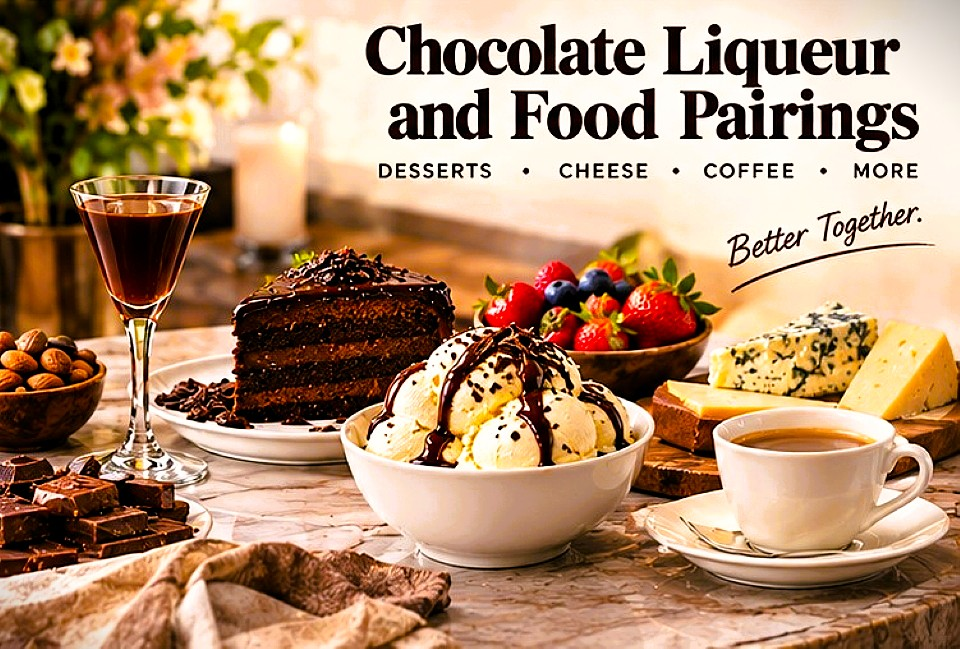
Chocolate liqueur served with chocolate cake, vanilla ice cream, fresh berries, coffee and chocolate pieces.
10. Frequently Asked Questions About Chocolate Liqueur
What is the best chocolate liqueur in the world?
There is no single best chocolate liqueur for every drinker. Mozart Chocolate Cream is a strong starting point for people who enjoy a creamy milk-chocolate style. Dorda Double Chocolate suits those seeking an intense chocolate flavour, while Tempus Fugit and Giffard Crème de Cacao are worth exploring for cocktail use. The right choice depends on sweetness, texture, flavour and how you plan to serve it.
What is the difference between chocolate liqueur and crème de cacao?
Chocolate liqueur is a broad category that includes cream-based and cream-free products. Crème de cacao is a traditional cacao-flavoured liqueur commonly used in cocktails. It is often available in white or clear and dark or brown styles. A chocolate cream liqueur is generally richer in texture and is not always a direct substitute for crème de cacao in a cocktail recipe.
Is chocolate liqueur creamy?
Some chocolate liqueurs contain cream, while others do not. Check the producer’s product information and the bottle label if cream content or dairy ingredients matter to you.
Can you drink chocolate liqueur straight?
Many chocolate liqueurs can be enjoyed neat or chilled in a small glass. Cream-based products are often served chilled, while traditional crème de cacao is commonly used in cocktails. Follow the product’s serving guidance.
Does chocolate liqueur contain dairy?
Some varieties contain cream or milk; others are made without cream. Do not assume a dark chocolate colour means a product is dairy-free. Check the ingredient and allergen information for the exact expression.
What is the best chocolate liqueur for cocktails?
For cocktails that specifically call for crème de cacao, consider traditional options such as Giffard or DeKuyper in the appropriate white or dark style. For creamy dessert cocktails, Mozart Chocolate Cream or Dorda Double Chocolate may be useful options. The recipe should determine the style you choose.
What is the best chocolate liqueur for sipping?
A creamy chocolate liqueur can be a good starting point for sipping after dinner. Mozart Chocolate Cream is one option to consider. People who prefer a darker, less cream-focused profile may want to explore cream-free chocolate liqueurs instead.
Can chocolate liqueur be added to coffee?
Yes. Chocolate liqueur can be added to coffee or espresso for a dessert-style drink. Start with a small measured amount and taste before adding sugar, flavoured syrup or cream.
Can you use chocolate liqueur in desserts?
Chocolate liqueur can be drizzled over ice cream or incorporated into some dessert recipes. It may also add flavour to sauces, cakes and dessert creams, depending on the recipe. Follow the recipe’s instructions and consider that the alcohol may not fully evaporate during preparation.
Is white crème de cacao the same as white chocolate liqueur?
No. White crème de cacao usually refers to a clear version of traditional cacao liqueur. White chocolate liqueur is a different style, often built around cocoa butter, vanilla and cream. They can have different textures and behave differently in cocktails.
What chocolate liqueur should a beginner buy?
A beginner may find a creamy milk-chocolate liqueur easy to enjoy on its own. If the goal is to make classic cocktails, begin with the exact type of crème de cacao specified by the recipes you plan to prepare.
Where can I find chocolate liqueur in Toronto?
Check current listings from licensed retailers and beverage-delivery services serving Toronto and the GTA. Availability depends on the product, retailer and applicable provincial rules. Always verify the specific bottle before ordering.
11. Final Thoughts: Discover the Best Chocolate Liqueur for Your Taste
The world of chocolate liqueur includes far more variety than a single sweet, creamy drink. From Mozart’s chocolate-focused range and Dorda Double Chocolate to Italian Bottega Nero and traditional cocktail ingredients from Giffard, DeKuyper and Tempus Fugit, there are options for sipping, mixing and pairing with dessert.
For a rich after-dinner drink, start with a chocolate cream liqueur. For a darker cocoa profile, explore cream-free expressions. For classic cocktails, choose a traditional crème de cacao that matches the recipe’s requirements. If you enjoy experimenting, chocolate-and-coffee, coconut or strawberry variations can open up a different range of dessert drinks.
The best chocolate liqueur is the one that fits your taste and the occasion. Check product details, compare styles, and use measured pours to keep cocktails balanced.
For readers in Toronto and the Greater Toronto Area, check current listings from Always Dial A Bottle Toronto to confirm which products are available. With the right bottle, chocolate liqueur can be a versatile addition to a home bar, a thoughtful gift for a chocolate enthusiast or an indulgent finishing touch to an evening meal.