
Blog
The Best Orange Liqueur Brands in the World


The Best Orange Liqueur Brands in the World: A Complete Guide to Premium Triple Sec, Curaçao and More
Orange liqueur is one of the most versatile and recognizable categories in the world of spirits. From the unmistakable citrus character of Cointreau to the rich Cognac-based complexity of Grand Marnier, these aromatic liqueurs bring sweetness, fragrance, bitterness and depth to some of the world’s most celebrated cocktails.
A quality orange liqueur can transform a Margarita, add elegance to a Sidecar, bring balance to a Cosmopolitan, or provide a distinctive citrus accent to a dessert. It can also be enjoyed neat, over ice or as an after-dinner drink.
However, choosing an orange liqueur is not always straightforward. The category includes several styles, including triple sec, Curaçao, dry orange liqueur and Cognac-based orange liqueur. Some are crystal clear and bright, while others are amber, richer and more rounded. Their sweetness, alcohol strength, orange varieties and base spirits can differ considerably.
This guide explores some of the best-known and most respected orange liqueur brands in the world. It explains what makes each bottle distinctive, how the major styles compare, which brands are worth considering for classic cocktails, and how to choose the right orange liqueur for your home bar.
Whether you are discovering orange liqueur for the first time, looking for a premium triple sec for Margaritas, or searching for a sophisticated bottle to enjoy after dinner, this guide will help you make a more informed choice.
Table of Contents
-
-
- What Is Orange Liqueur?
- A Brief History of Orange Liqueur
- Understanding Triple Sec, Curaçao and Other Orange Liqueur Styles
- What Makes a Great Orange Liqueur?
- The 10 Best Orange Liqueur Brands in the World
- Cointreau
- Grand Marnier
- Pierre Ferrand Dry Curaçao
- Combier Liqueur d’Orange
- Senior & Co. Curaçao
- Giffard Orange Liqueurs
- Luxardo Triplum
- Bols Orange Liqueur
- De Kuyper Triple Sec
- Patrón Citrónge Orange
- Best Orange Liqueurs for Popular Cocktails
- How to Choose the Right Orange Liqueur
- How to Serve and Store Orange Liqueur
- Orange Liqueur and Food Pairings
- Orange Liqueur in Desserts and Cooking
- Frequently Asked Questions
- Final Thoughts: Finding the Best Orange Liqueur for Your Taste
-
1. What Is Orange Liqueur?
Orange liqueur is a sweetened alcoholic spirit flavoured primarily with orange peel or other orange-derived ingredients. Depending on the producer and recipe, it may be made by macerating orange peels in alcohol, distilling citrus-infused spirit, blending orange distillates, or combining these methods.
The result is a liqueur that can range from light, bright and intensely citrusy to rich, rounded and complex. Unlike orange juice, which emphasizes the fruit’s sweetness and acidity, orange liqueur generally draws much of its character from the peel. Orange peel contains aromatic oils that contribute floral, bitter, sweet and sometimes spicy notes.
The particular orange variety is important. Sweet orange varieties can contribute a familiar, rounded citrus aroma, while bitter oranges, including Seville-type oranges, often provide a more intense and complex peel character. Some producers use a neutral spirit as the base. Others incorporate brandy, Cognac or other spirits to create a richer flavour and texture.
What Does Orange Liqueur Taste Like?
The flavour depends on the recipe, production method and style. Common tasting characteristics include:
-
-
- Sweet orange: Rounded, familiar orange flavour with a soft sweetness.
- Bitter orange: More intense citrus peel character with a pleasantly bitter finish.
- Candied orange: Rich, sweet and concentrated orange flavour.
- Floral citrus: Fragrant notes that can resemble orange blossom.
- Spice: Subtle warming notes that may include cinnamon or other botanicals.
- Brandy and oak: Deeper flavours found in some Cognac- or brandy-based expressions.
-
A well-balanced orange liqueur should have a recognizable orange character without tasting excessively sugary, artificial or harsh.
How Is Orange Liqueur Made?
Although recipes vary, production commonly involves several stages.
1. Selecting the citrus
Producers select sweet oranges, bitter oranges or combinations of different varieties. The quality and aroma of the peel are especially important.
2. Preparing the peels
The orange peel is separated from the fruit. Depending on the recipe, producers may use fresh peel, dried peel or prepared citrus extracts.
3. Extraction and distillation
The aromatic compounds can be extracted through maceration in alcohol, distillation or a combination of techniques. Distillation helps capture concentrated aromatic characteristics.
4. Blending
The orange distillate or infusion is combined with the chosen alcohol base and other permitted ingredients. Some recipes use a neutral spirit, while others incorporate Cognac or brandy.
5. Sweetening and adjustment
Sugar or another sweetening ingredient is added to achieve the desired balance, texture and style.
6. Bottling
The finished liqueur is filtered where necessary and bottled at the producer’s chosen alcohol strength. The details of these processes are often part of a producer’s proprietary recipe. Consequently, two orange liqueurs made from similar citrus ingredients can taste quite different.
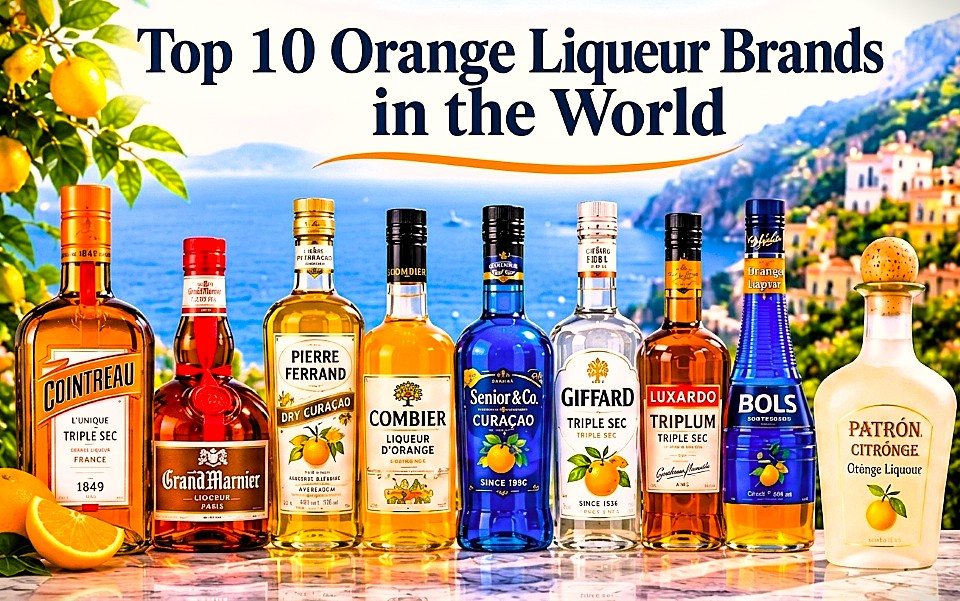
Top 10 orange liqueur brands in the world, featuring Cointreau, Grand Marnier, Pierre Ferrand, Combier, Senior & Co., Giffard, Luxardo, Bols and Patrón Citrónge.
2. A Brief History of Orange Liqueur
Orange liqueur has a long and fascinating history connected with European distilling, international trade and the growing popularity of cocktails.
Citrus fruits were valuable ingredients in European kitchens and distilleries. Their peels offered concentrated aromas that could be preserved through alcohol extraction. As trade expanded, orange varieties and citrus products became increasingly accessible to producers.
The Origins of Curaçao
One of the most important names in orange liqueur is Curaçao. The name is associated with the Caribbean island of Curaçao, where the laraha orange developed from citrus trees introduced to the region. The fruit is known for its bitter character and aromatic peel.
Curaçao became an important term for orange-flavoured liqueurs, although the history of the style is more complicated than a simple claim that it was invented on the island. Historical references show that Curaçao-style liqueurs were produced and marketed in Europe, with a variety of recipes and interpretations.
Today, Curaçao can refer to a broad family of orange liqueurs. It may be clear, amber or coloured, depending on the producer and intended style.
The Development of Triple Sec
Triple sec emerged in France during the nineteenth century and became one of the most recognizable styles of orange liqueur. The term is French: sec means dry. The precise historical interpretation of triple sec is debated, and modern producers do not all use the term in exactly the same way.
The style became associated with clear orange liqueurs that offered a concentrated citrus character and a relatively clean profile. In 1834, the Combier family began producing its orange liqueur in Saumur, France. Later in the century, Cointreau developed its distinctive orange liqueur, which became internationally recognized.
Grand Marnier and the Cognac Connection
Grand Marnier introduced a different approach to orange liqueur by combining bitter-orange flavour with Cognac. Rather than relying solely on a neutral spirit base, this style brings together citrus and the depth of aged grape spirit. The result is a richer profile that works particularly well in sipping, desserts and cocktails where a brandy character is welcome.
Orange Liqueur and the Golden Age of Cocktails
Orange liqueur became an essential ingredient in the development of classic cocktails. It is found in drinks such as the Margarita, Sidecar, Cosmopolitan, White Lady and many other recipes. Its purpose is not simply to make a cocktail taste like oranges. It also contributes sweetness, aroma, body and balance.
Today, orange liqueur remains a staple of professional cocktail bars and home bars around the world.
3. Understanding Triple Sec, Curaçao and Other Orange Liqueur Styles
Before comparing brands, it is useful to understand the terminology. These labels can overlap, but they do not always describe identical products.
Orange Liqueur
Orange liqueur is the broad category. It includes sweetened alcoholic drinks flavoured with orange peel or other orange ingredients. Triple sec, Curaçao and Cognac-based orange liqueurs all belong to this wider family.
Triple Sec
Triple sec is generally associated with a clear orange liqueur, often made using a neutral spirit base. Its flavour commonly emphasizes bright citrus peel, sweetness and a relatively clean finish. Premium examples can have considerable aromatic complexity. Triple sec is especially useful in cocktails where the bartender wants orange flavour without adding the deeper character of aged brandy.
Cointreau is one of the best-known names associated with this style, although the brand has its own distinctive proprietary identity.
Curaçao
Curaçao is another major orange liqueur style. Historically associated with the laraha orange of the Caribbean island of Curaçao, the term is now used more broadly. Curaçao may be clear, amber or coloured. Amber expressions can offer a richer impression, while some traditional recipes combine orange flavour with brandy or other spirits.
Blue Curaçao is a coloured variation commonly used in visually striking cocktails. Its blue colour does not, by itself, establish superior quality or a different level of orange flavour.
Cognac-Based Orange Liqueur
This style combines orange flavour with Cognac or another brandy-based spirit. Grand Marnier is the most recognizable example. Its character is generally richer and warmer than that of a straightforward neutral-spirit triple sec. Cognac-based orange liqueurs can be particularly attractive for sipping, baking and cocktails that benefit from a deeper spirit foundation.
Dry Orange Liqueur
A dry orange liqueur is designed to offer a less overtly sweet impression, although the word dry should not be interpreted as meaning sugar-free. The balance between alcohol, citrus oils, bitterness and sweetness determines the overall impression.
Is Cointreau the Same as Triple Sec?
Cointreau is widely associated with the triple sec style, but it is also a specific branded recipe with its own production methods and flavour profile. It is therefore more accurate to describe Cointreau as a premium orange liqueur in the triple sec tradition than to assume that every triple sec tastes like Cointreau.
Is Grand Marnier the Same as Curaçao?
Grand Marnier is a branded orange liqueur made with Cognac. It is not simply interchangeable with every Curaçao. Both belong to the wider orange liqueur category, but their bases, production approaches and flavour profiles can differ significantly.
4. What Makes a Great Orange Liqueur?
The best orange liqueur is not necessarily the most expensive or the most famous. It is the one that delivers the right balance, character and quality for its intended use. Several characteristics help distinguish a well-made bottle.
Quality of Orange Ingredients
The quality of the citrus is fundamental. A good orange liqueur should have a natural, recognizable orange aroma. Look for a profile that suggests fragrant peel rather than artificial orange candy.
Balance Between Sweetness and Bitterness
Orange peel naturally contributes bitter compounds and aromatic oils. Sweetness helps balance these characteristics. A liqueur that is excessively sweet may overwhelm a cocktail. One that is too bitter or harsh can dominate the other ingredients. The most versatile bottles generally offer a well-integrated balance.
Alcohol Strength
Alcohol strength influences both flavour intensity and cocktail performance. A higher-strength orange liqueur may contribute more pronounced spirit character and citrus intensity. A lower-strength version may produce a softer, sweeter result. Always check the alcohol by volume (ABV) on the bottle rather than assuming all triple sec or Curaçao products have the same strength.
Base Spirit
The base spirit has a significant influence on the finished product. Neutral-spirit-based orange liqueurs often emphasize citrus. Cognac- or brandy-based versions can add dried fruit, oak, vanilla and warming complexity.
Texture and Finish
A premium orange liqueur should have a pleasant texture and a finish that complements its aroma. Some are light and crisp. Others are rounder, richer and more persistent.
Versatility
A particularly useful bottle should perform well in more than one setting.
Consider whether it works in:
-
-
- Margaritas and Cosmopolitans.
- Sidecars and other spirit-forward cocktails.
- Citrus-forward sparkling drinks.
- Desserts and baking.
- Neat or over-ice service.
-
Authenticity and Producer Reputation
A recognizable producer with a documented history and transparent product information can make it easier to understand what is in the bottle. Brand heritage is not a guarantee of personal preference, but it can provide useful context when comparing products.
5. The 10 Best Orange Liqueur Brands in the World
The following selection includes established international producers and distinctive bottles from France, the Netherlands, the Caribbean and Mexico.
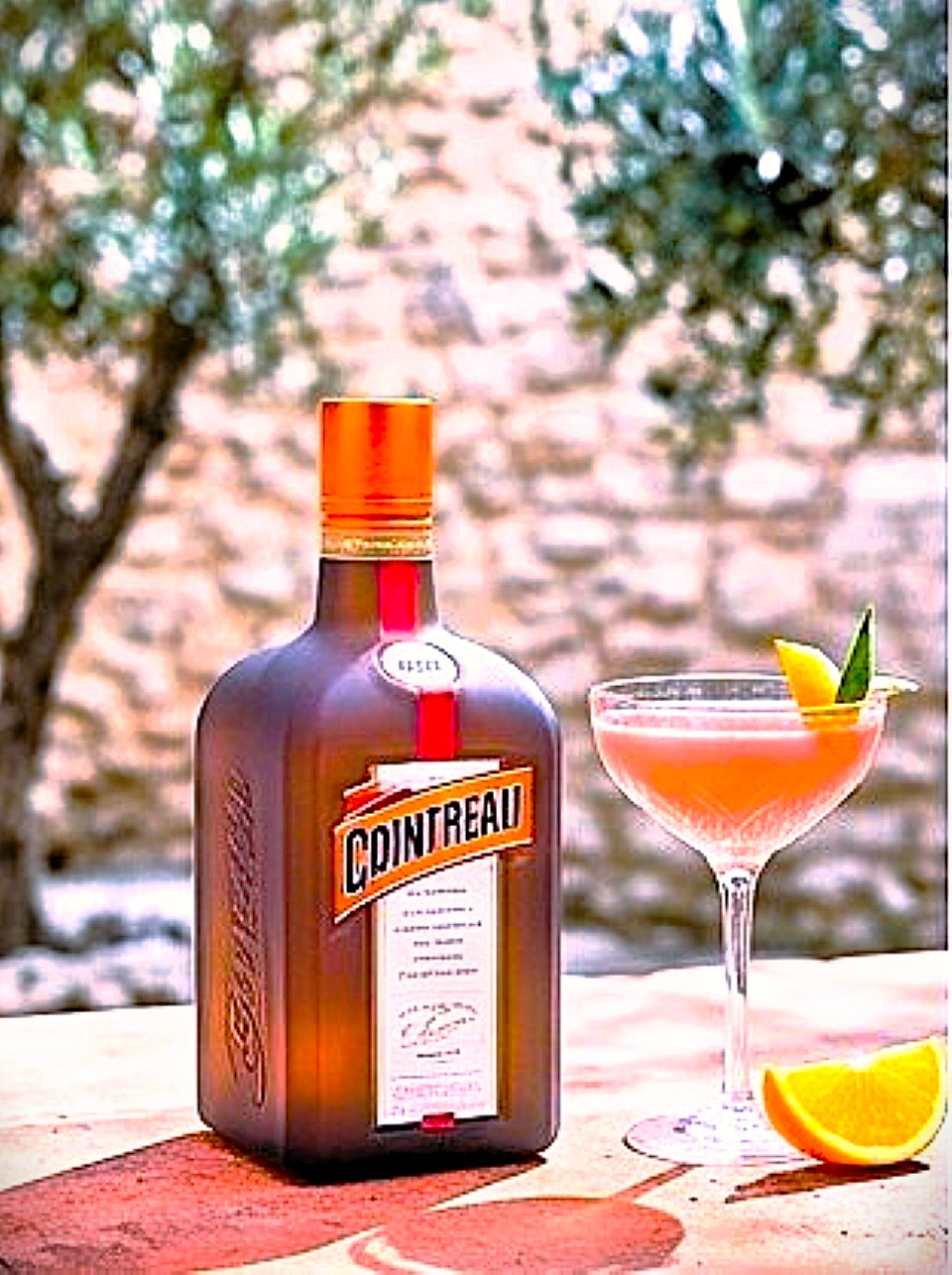
Cointreau-top-10-orange-liqueur-brands-world
1. Cointreau – The Classic Premium Triple Sec
Country: France
Style: Premium orange liqueur / triple sec
Known for: Balanced sweet and bitter orange character
Cointreau is one of the most recognizable orange liqueur brands in the world. Produced in France, it has become a familiar name in professional cocktail bars and home collections. The brand’s modern history is closely connected with Édouard Cointreau, who developed the distinctive recipe in the nineteenth century. Cointreau identifies 1885 as the year its signature liqueur was created.
The product is made using a blend of sweet and bitter orange peels. Its transparent appearance, concentrated citrus aroma and balanced flavour have helped establish its reputation as a versatile cocktail ingredient.
Tasting Profile
Cointreau is known for a clean, bright orange character. Its aroma combines sweet citrus with the more intense qualities of bitter orange peel. The flavour is fresh and concentrated, with a balance of sweetness and citrus bitterness. Its finish is generally crisp rather than heavy.
Why Choose Cointreau?
Cointreau is particularly useful when a recipe calls for a high-quality orange liqueur with a clear citrus profile.
It is a natural choice for:
-
-
- Classic Margaritas.
- Cosmopolitans.
- Sidecars.
- White Ladies.
- Cointreau Fizz cocktails.
- Citrus-forward mixed drinks.
-
Its versatility is one of its strongest advantages. It can contribute orange flavour without introducing a pronounced Cognac or aged-brandy character.
Best For
Cointreau is an excellent choice for cocktail enthusiasts who want a versatile premium orange liqueur. It is especially suitable for people who regularly prepare Margaritas, Cosmopolitans and other classic cocktails.
2. Grand Marnier – The Rich Cognac-Based Orange Liqueur
Country: France
Style: Cognac-based orange liqueur
Known for: Bitter orange and Cognac complexity
Grand Marnier occupies a distinctive position in the orange liqueur category. Unlike a straightforward neutral-spirit triple sec, its signature expression combines bitter-orange flavour with Cognac. This creates a deeper and more rounded style with a recognizable brandy foundation. The combination of citrus and Cognac makes Grand Marnier particularly interesting for people who appreciate richer spirits.
Tasting Profile
Grand Marnier offers an orange aroma accompanied by the warmer characteristics of Cognac.
Depending on the expression, the flavour may suggest:
-
-
- Bitter orange peel.
- Candied citrus.
- Dried fruit.
- Vanilla.
- Warm spice.
- Oak and brandy notes.
-
The overall impression is richer and more layered than that of many clear triple sec products.
Why Choose Grand Marnier?
Grand Marnier is an attractive option when a cocktail or dessert benefits from more than straightforward orange sweetness.
It can be used in:
-
-
- Sidecars.
- Richer Margaritas.
- Brandy-based cocktails.
- Orange-flavoured desserts.
- Sauces and pastry preparations.
-
It is also suitable for serving neat or over ice, depending on the expression and personal preference.
Best For
Choose Grand Marnier if you enjoy Cognac, brandy and deeper orange flavours. It is particularly appealing for after-dinner occasions and recipes where a richer spirit character is desirable.
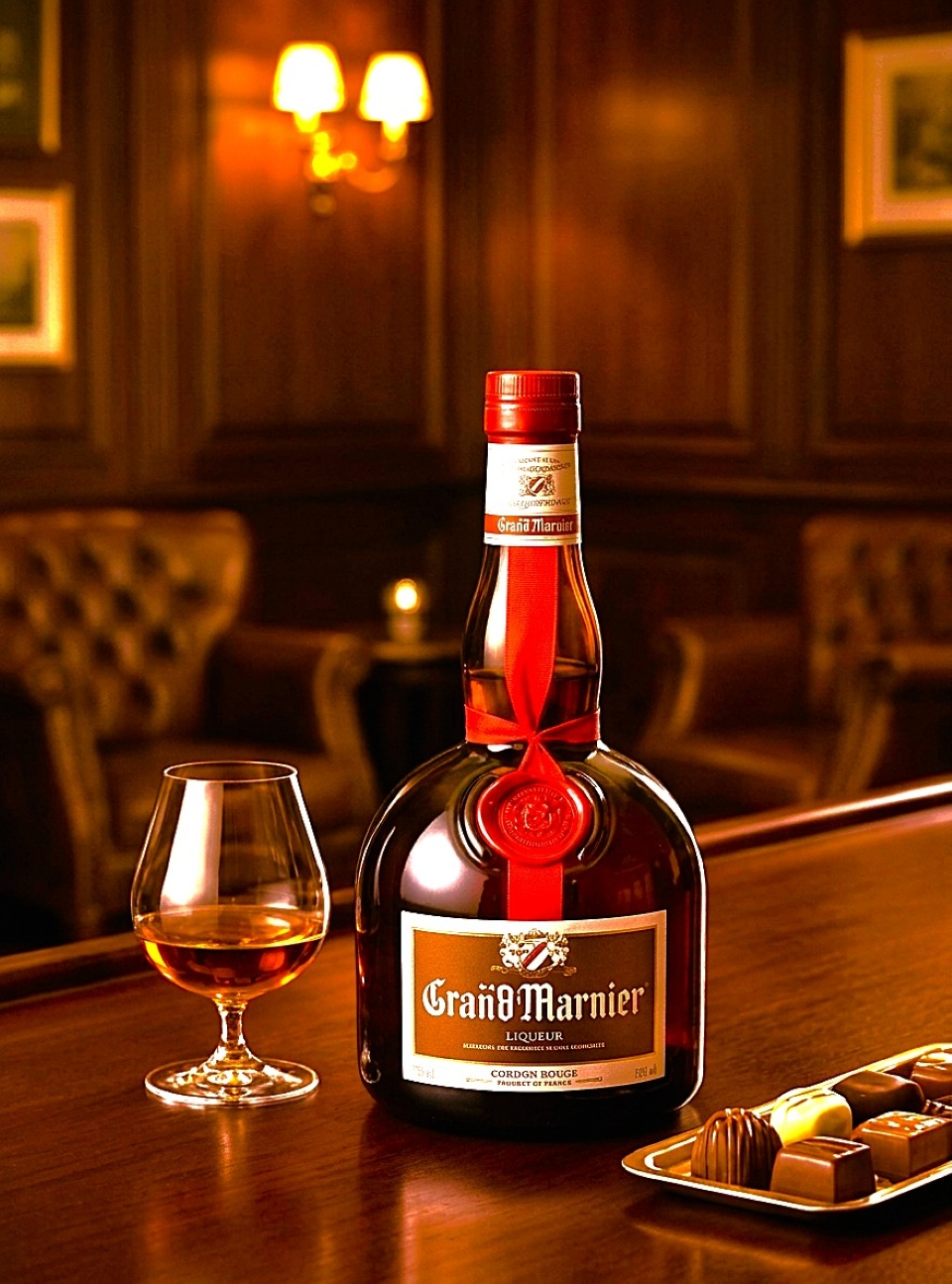
Grand Marnier-Top Orange Liqueur Brand
3. Pierre Ferrand Dry Curaçao – A Refined French Curaçao
Country: France
Style: Dry Curaçao
Known for: Complex orange, spice and brandy-influenced character
Pierre Ferrand Dry Curaçao is a respected option among cocktail enthusiasts who appreciate traditional-style orange liqueurs. The product takes inspiration from historical Curaçao recipes and offers a profile that differs from the bright, straightforward character associated with many clear triple secs. Its amber appearance and layered flavour make it an interesting addition to a cocktail collection.
Tasting Profile
Pierre Ferrand Dry Curaçao is often appreciated for its combination of orange peel, sweetness and spice. Its character is more rounded and complex than a simple orange-flavoured neutral spirit. The result can complement aged spirits particularly well.
Why Choose Pierre Ferrand Dry Curaçao?
This bottle is especially useful in cocktails where orange flavour needs to work alongside rum, Cognac or whiskey without becoming excessively sharp.
Consider it for:
-
-
- Mai Tais.
- Classic and modern rum cocktails.
- Sidecars.
- Brandy-based cocktails.
- Recipes calling for orange Curaçao.
-
It is also a worthwhile bottle for enthusiasts who enjoy comparing different historical interpretations of Curaçao.
Best For
Pierre Ferrand Dry Curaçao is an excellent option for cocktail enthusiasts interested in traditional-style Curaçao and more complex orange profiles.
4. Combier Liqueur d’Orange – A Historic French Triple Sec
Country: France
Style: Triple sec / orange liqueur
Known for: Long distilling heritage and bright citrus character
Combier is an important name in the history of French orange liqueur. The company traces its origins to 1834, when Jean-Baptiste and Joséphine Combier established their distillery in Saumur. Its Liqueur d’Orange is an established expression that appeals to bartenders and cocktail enthusiasts looking for a distinctive alternative to more widely recognized brands.
Tasting Profile
Combier Liqueur d’Orange is known for its fresh citrus character and a balance of sweetness and orange-peel intensity. Its profile is well suited to cocktails that require a recognizable orange component without the richer Cognac character of Grand Marnier.
Why Choose Combier?
Combier is a particularly interesting choice for people who appreciate French distilling history and want to explore alternatives to Cointreau.
It can be considered for:
-
-
- Margaritas.
- Sidecars.
- Cosmopolitans.
- White Ladies.
- Other classic triple-sec cocktails.
-
Best For
Combier is a strong candidate for cocktail enthusiasts who value traditional French triple sec and want to compare different approaches to orange distillation.
5. Senior & Co. Curaçao – Authentic Caribbean Orange Character
Country: Curaçao
Style: Curaçao
Known for: Laraha orange heritage
Senior & Co. is closely associated with the island of Curaçao and its distinctive laraha orange. The laraha is a bitter citrus fruit whose aromatic peel has become closely linked with the island’s Curaçao liqueur tradition. Senior & Co. is notable because its Curaçao production is associated with the use of laraha peels rather than simply using the word Curaçao as a generic product description.
Tasting Profile
The laraha orange contributes a distinctive bitter-citrus aroma. Depending on the expression, the flavour can be more intense and peel-driven than a conventional sweet orange liqueur. The range includes coloured Curaçao styles, including the familiar blue version.
Why Choose Senior & Co.?
This producer is an interesting choice for people who want to explore the historical connection between Curaçao liqueur and the Caribbean island. Blue Curaçao is often used in colourful cocktails, but the product’s colour should not be confused with a measure of quality. The more important considerations are its aroma, flavour, sweetness and suitability for the recipe.
Best For
Senior & Co. is worth considering for cocktail enthusiasts interested in Caribbean Curaçao heritage and distinctive orange-peel flavour.
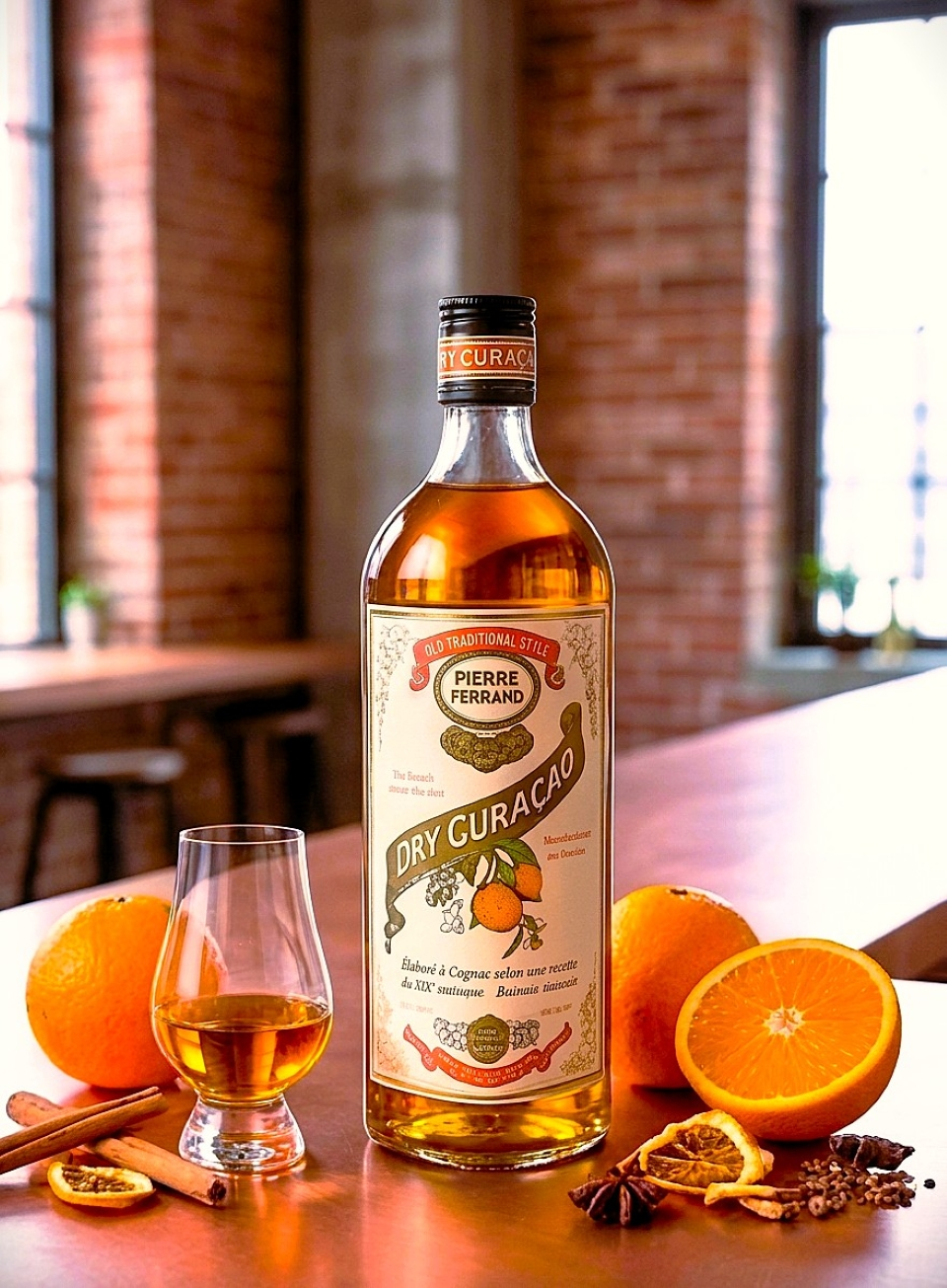
Dry Curacao-Top Orange Liqueur Brand
6. Giffard – French Craftsmanship and a Versatile Orange Liqueur Range
Country: France
Style: Triple sec and orange Curaçao
Known for: A range of citrus-forward liqueurs
Giffard is a French producer with an established presence in the liqueur and cocktail ingredient market. Its orange liqueur range offers different interpretations of citrus flavour, including Triple Sec and Orange Curaçao. This variety is useful because not every cocktail benefits from the same orange profile.
Giffard Triple Sec
Giffard Triple Sec is a clear orange liqueur made with bitter-orange extracts. The producer describes its aroma as featuring candied orange notes and floral characteristics. Its flavour is rounded, with citrus and spice elements. It can be considered for Margaritas, Cosmopolitans and other drinks that call for a clear orange liqueur.
Giffard Orange Curaçao
Giffard Orange Curaçao offers a different approach. The producer describes this amber-coloured liqueur as combining distilled orange-peel character with Cognac and Armagnac. This makes it a useful alternative when a cocktail benefits from a richer orange profile.
Why Choose Giffard?
Giffard is a good brand to explore when you want to compare two orange liqueur styles from the same producer. Its Triple Sec and Orange Curaçao can serve different purposes in a home bar.
Best For
Giffard is a versatile choice for people who enjoy experimenting with cocktail recipes and comparing clear triple sec with richer amber Curaçao.
7. Luxardo Triplum – An Italian Take on Orange Liqueur
Country: Italy
Style: Triple sec
Known for: Italian liqueur-making heritage
Luxardo is internationally recognized for its long history of liqueur production. Although the company is particularly famous for Maraschino, its Triplum expression provides another option for people exploring orange liqueurs. Triplum belongs in the conversation about established European triple sec producers.
Tasting Profile
A triple sec such as Luxardo Triplum is intended to provide an orange-centred flavour that can work in mixed drinks. When comparing it with other brands, consider its citrus intensity, sweetness, alcohol strength and finish. These factors determine whether it is better suited to a bright Margarita, a more spirit-forward cocktail or a simple citrus drink.
Why Choose Luxardo?
Luxardo is an appealing name for enthusiasts who appreciate Italian liqueur-making and want to explore beyond the best-known French labels. It can add variety to a cocktail collection and provide an opportunity to compare different European interpretations of triple sec.
Best For
Luxardo Triplum is worth considering for cocktail enthusiasts who enjoy established Italian liqueur producers and want an alternative to the most familiar French brands.
8. Bols – A Historic Dutch Name in Curaçao and Liqueurs
Country: Netherlands
Style: Orange Curaçao and other liqueurs
Known for: A long European liqueur-making tradition
Bols is one of the historic names in the international liqueur business. The Dutch company has a long association with Curaçao and cocktail culture. Its range includes orange-flavoured liqueurs used in classic and contemporary drinks. Bols is also significant in the history of coloured Curaçao. Blue Curaçao became an established cocktail ingredient as coloured liqueurs gained popularity in the twentieth century.
Tasting Profile
Bols orange liqueurs are designed for mixed drinks and can offer a familiar orange sweetness. The exact flavour depends on the specific bottle. It is therefore important to distinguish between the producer’s different orange expressions rather than treating every product in the range as identical.
Why Choose Bols?
Bols is a familiar international liqueur producer with products suited to a wide variety of cocktails. Its coloured Curaçao expressions are especially useful when appearance is part of the intended drink.
Best For
Bols is worth considering for home bars, cocktail experimentation and recipes that specifically call for orange Curaçao.
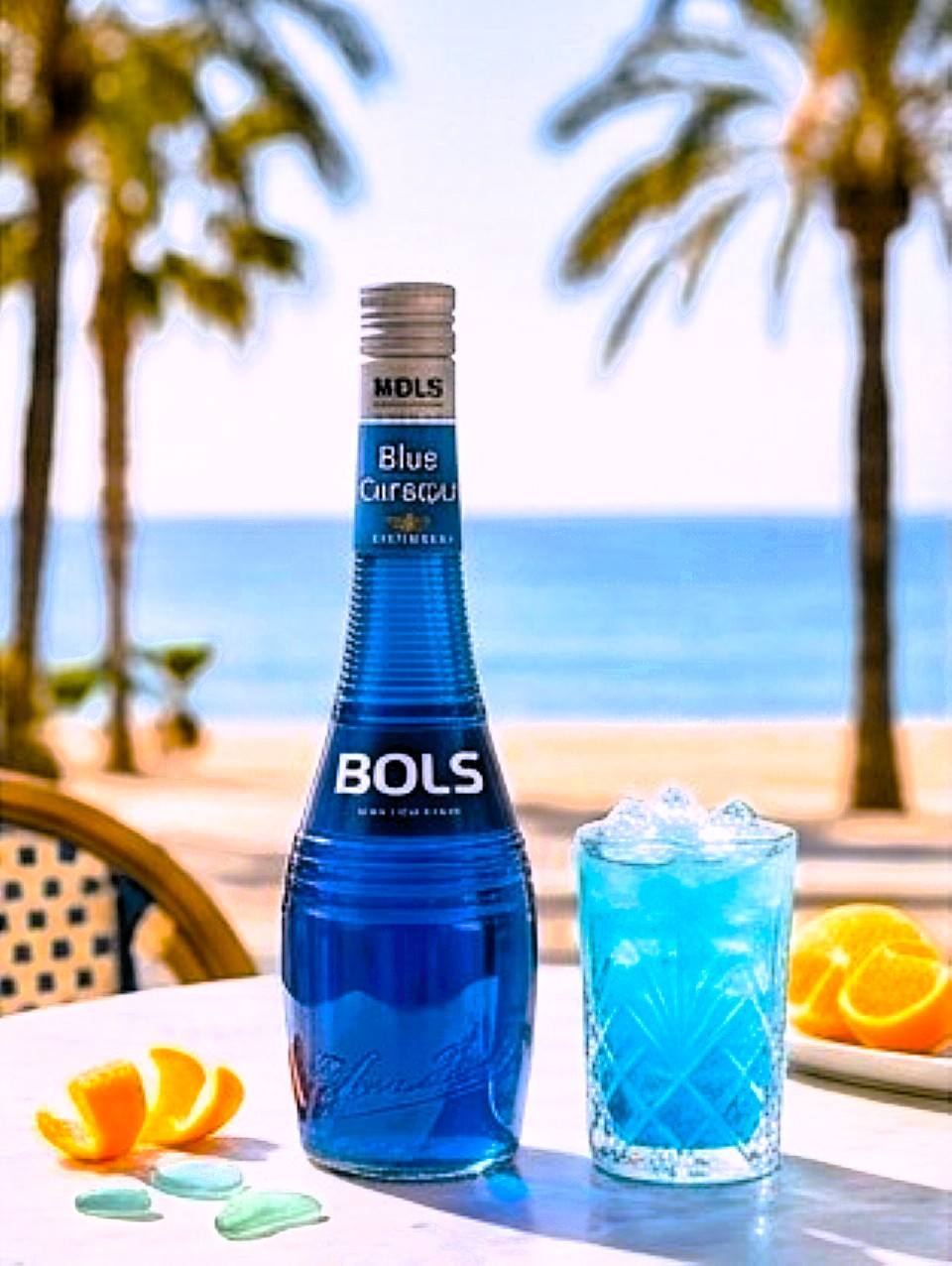
Bols-Top Orange Liqueur Brand
9. De Kuyper – A Broad Range of Cocktail Liqueurs
Country: Netherlands
Style: Triple sec and orange-flavoured liqueurs
Known for: A broad cocktail liqueur portfolio
De Kuyper is another established Dutch producer with a long history in liqueur production. Its products are found in cocktail bars and home bars around the world. The range includes orange liqueur options intended for mixing.
Tasting Profile
De Kuyper’s orange liqueur expressions are designed to contribute citrus flavour and sweetness to cocktails. As with any producer offering multiple products, the specific bottle matters. A triple sec should not automatically be assumed to taste identical to an orange Curaçao or another orange-flavoured liqueur.
Why Choose De Kuyper?
De Kuyper is a recognizable option for people building a cocktail bar with a variety of liqueurs. It can be useful for recipes that call for orange liqueur, particularly when the goal is to prepare mixed drinks rather than serve the liqueur as a standalone sipping spirit.
Best For
De Kuyper is a practical brand to explore for cocktail mixing and for people who want to compare different liqueur producers.
10. Patrón Citrónge Orange – A Mexican Orange Liqueur
Country: Mexico
Style: Orange liqueur
Known for: A cocktail-friendly citrus profile
Patrón is best known internationally for tequila, but the brand also produces Patrón Citrónge Orange. This expression provides a Mexican alternative in the orange liqueur category. It is particularly relevant for cocktails where orange liqueur is combined with tequila or other agave spirits.
Tasting Profile
Patrón Citrónge Orange is designed to deliver an orange-forward flavour suitable for mixing. Its role in a cocktail is to complement the base spirit and provide citrus sweetness and aroma.
Why Choose Patrón Citrónge?
This bottle is worth considering when preparing tequila-based cocktails and when you want to compare a Mexican orange liqueur with French triple sec or Curaçao.
It can be used in:
-
-
- Margaritas.
- Tequila-based citrus cocktails.
- Contemporary mixed drinks.
- Recipes that call for orange liqueur.
-
Best For
Patrón Citrónge Orange is an interesting option for tequila enthusiasts who want to explore different orange liqueurs for Margarita variations and other agave-based cocktails.
6. Best Orange Liqueurs for Popular Cocktails
Orange liqueur is a key ingredient in many classic cocktails. However, different bottles can produce noticeably different results. The choice depends on the base spirit, the desired sweetness and the intensity of orange flavour.
Best Orange Liqueur for Margaritas
The Margarita is one of the most recognizable tequila cocktails. Its traditional flavour combination brings together tequila, lime juice and orange liqueur.
Orange liqueurs to consider:
-
-
- Cointreau for a bright, balanced citrus profile.
- Combier for a French triple-sec alternative.
- Patrón Citrónge Orange for a Mexican orange liqueur option.
- Grand Marnier when a richer Cognac influence is desired.
-
A Margarita should balance the tequila’s character, the acidity of lime and the sweetness of the orange liqueur. The ideal choice depends on whether you prefer a crisp, citrus-forward drink or a richer variation.
Best Orange Liqueur for Cosmopolitans
The Cosmopolitan combines vodka, orange liqueur, cranberry and lime. Cointreau is a familiar choice because its citrus profile works well with the drink’s fruit and acidity. Combier and other quality triple secs can also be considered. For a balanced result, avoid adding too much sweet orange liqueur. The cranberry and lime should remain clearly recognizable.
Best Orange Liqueur for Sidecars
The Sidecar is a classic cocktail traditionally made with Cognac, orange liqueur and lemon juice. Cointreau and Grand Marnier are both worth considering, although they create different results. Cointreau produces a brighter citrus profile. Grand Marnier adds a richer brandy dimension that can complement the Cognac base.
Pierre Ferrand Dry Curaçao is another interesting option for those who enjoy more complex orange and spice characteristics.
Best Orange Liqueur for Mai Tais
The Mai Tai is a rum-based cocktail with a complex balance of citrus, sweetness and spirit character. Orange Curaçao is an important ingredient in many classic interpretations. Pierre Ferrand Dry Curaçao is particularly worth exploring because its richer profile can work well with aged rum. Other quality Curaçao expressions can also be suitable.
Best Orange Liqueur for White Ladies
The White Lady is a classic gin cocktail commonly made with gin, orange liqueur and lemon juice, often with egg white. A clear triple sec is a natural option because it provides citrus aroma without overwhelming the gin. Cointreau and Combier are both suitable bottles to explore.
Best Orange Liqueur for Orange-Flavoured Desserts
For desserts, the choice depends on the recipe. Cointreau can provide a clean orange aroma, while Grand Marnier can contribute a richer Cognac-based flavour. Both can be used in selected pastry preparations, sauces and desserts.
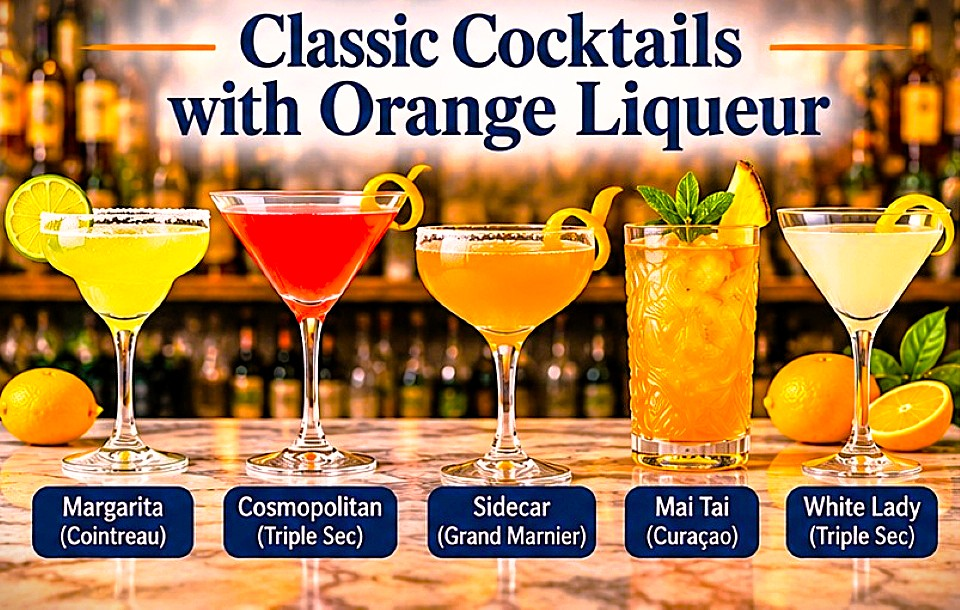
Classic cocktails made with orange liqueur, including Margarita, Cosmopolitan, Sidecar, Mai Tai and White Lady.
7. How to Choose the Right Orange Liqueur
There is no single orange liqueur that is best for every person or occasion. A good buying decision starts with understanding how you plan to use the bottle.
For a Versatile Home Bar
If you want one bottle that can work across several classic cocktails, consider a quality triple sec. Cointreau is a well-known option. Combier and selected Giffard expressions are alternatives worth comparing. A versatile bottle should offer enough citrus character to be recognizable while remaining balanced in mixed drinks.
For Richer Cocktails
If you prefer deeper flavours, consider a Cognac-based orange liqueur or an amber Curaçao. Grand Marnier and Pierre Ferrand Dry Curaçao offer different approaches to this richer style. They can be particularly interesting with Cognac, aged rum and other spirit-forward cocktail ingredients.
For Tequila Cocktails
For Margaritas and other tequila-based drinks, a balanced triple sec or orange liqueur is usually a good starting point. Cointreau, Combier and Patrón Citrónge Orange are options to compare. The best choice will depend on your preferred tequila, lime acidity and sweetness level.
For Colourful Cocktails
Blue Curaçao is often chosen for its appearance. It is used in cocktails such as the Blue Lagoon and Blue Hawaii. However, colour should be considered separately from quality. A blue liqueur is not automatically more authentic, more complex or better tasting than a clear or amber one.
For Sipping
If you intend to enjoy orange liqueur neat or over ice, consider the richness and balance of the product. Grand Marnier is a particularly recognizable option because of its Cognac foundation. Some Curaçao expressions may also be interesting for sipping, depending on their sweetness and aromatic complexity.
For Desserts
Choose a bottle that complements the other ingredients. A clean orange liqueur can work well in citrus desserts, while a Cognac-based expression may be better suited to richer preparations involving chocolate, cream or caramel.
8. How to Serve and Store Orange Liqueur
Orange liqueur is easy to serve, but a few simple details can improve the experience.
Serving Neat
A quality orange liqueur can be served in a small liqueur glass. Pour a modest measure and allow the aroma to develop before tasting. Notice the balance between sweet orange, bitter peel, alcohol and any additional spice or brandy characteristics.
Serving Over Ice
Serving orange liqueur over ice softens its intensity and gradually dilutes the drink. This can be particularly enjoyable with richer expressions. A large ice cube is useful when you want slower dilution.
Using Orange Liqueur in Cocktails
When mixing cocktails, measure the orange liqueur carefully. It contributes both flavour and sweetness, so changing the quantity can affect the entire balance of the drink. If you substitute one brand for another, taste the finished cocktail before making further adjustments.
Should Orange Liqueur Be Refrigerated?
Many orange liqueurs can be stored in a cool, dry place away from direct sunlight. Refrigeration is not always necessary, but some people prefer to chill a bottle before serving. Follow the storage instructions provided by the producer.
How Long Does Orange Liqueur Last After Opening?
Orange liqueur generally keeps better than many fresh ingredients because it contains alcohol and sugar. However, its aroma and flavour can gradually change after opening.
To preserve quality:
-
-
- Keep the cap or cork tightly closed.
- Store the bottle away from direct sunlight.
- Avoid excessive heat.
- Minimize unnecessary air exposure.
- Follow the producer’s storage guidance.
-
For the best flavour, avoid keeping an opened bottle for longer than necessary.
9. Orange Liqueur and Food Pairings
Orange liqueur is not limited to cocktails. Its citrus aroma and sweetness can complement a variety of foods. The best pairings depend on the liqueur’s sweetness, bitterness and base spirit.
Dark Chocolate
Dark chocolate and orange are a classic flavour combination. The bitterness of cocoa can balance the sweetness of orange liqueur, while the citrus aroma adds freshness. A richer orange liqueur can work particularly well in chocolate desserts and sauces.
Vanilla Desserts
Orange liqueur can add fragrance and complexity to vanilla-based desserts.
Consider pairing it with:
-
-
- Vanilla panna cotta.
- Crème brûlée.
- Vanilla ice cream.
- Custards.
- Cheesecake.
-
Use modest quantities so the orange complements rather than overwhelms the dessert.
Fresh Fruit
Orange liqueur can be used in fruit salads and selected fruit preparations. It works particularly well with strawberries, peaches, berries and citrus fruits. A small amount can enhance the fruit’s aroma.
Cakes and Pastries
Orange liqueur is a familiar ingredient in pastry kitchens. It can be added to selected cake batters, fillings, glazes and syrups. Grand Marnier and Cointreau are popular choices for recipes that call for orange liqueur.
Cheese
Some orange liqueurs can complement rich cheeses, particularly when served as part of a dessert course. Consider the sweetness and intensity of the bottle. A small serving is generally more appropriate than a large pour.
Coffee and Chocolate Drinks
Orange and coffee can create an interesting flavour combination. A small measure of orange liqueur can add citrus fragrance to selected coffee or chocolate preparations. The key is moderation: too much sweetness or alcohol can overpower the coffee.
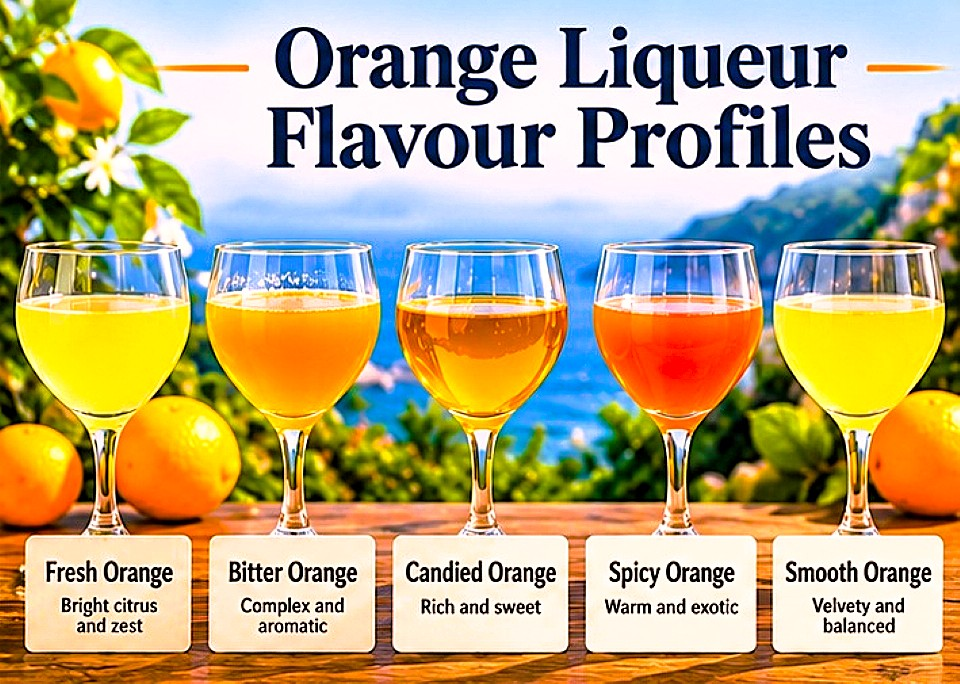
Different orange liqueur flavour profiles, including fresh orange, bitter orange, candied orange, spicy orange and smooth orange.
10. Orange Liqueur in Desserts and Cooking
Orange liqueur has a long-standing place in cooking and baking. Its concentrated citrus aroma makes it useful in recipes where fresh orange juice alone may not provide enough fragrance.
Crêpes Suzette
Crêpes Suzette is one of the best-known French desserts associated with orange flavour and liqueur. The dish traditionally combines thin crêpes with an orange-butter sauce. Orange liqueur is used in many versions to add aroma and depth. Cointreau and Grand Marnier are familiar choices for this preparation.
Chocolate Orange Cake
Orange liqueur can be incorporated into chocolate cake batter, syrup or filling. Its citrus character can make dark chocolate taste more aromatic and layered.
Orange Cheesecake
A small quantity of orange liqueur can add a fragrant citrus dimension to cheesecake. It can be used in the filling, topping or fruit sauce, depending on the recipe.
Orange Sauce
Orange liqueur can be incorporated into selected dessert sauces. It pairs naturally with chocolate, vanilla and caramel flavours.
Important Cooking Note
Alcohol does not necessarily disappear completely during cooking. The amount remaining depends on cooking time, temperature, method and other factors. When preparing food for people who avoid alcohol, use an appropriate non-alcoholic alternative rather than assuming that cooking removes all the alcohol.
11. Frequently Asked Questions About Orange Liqueur
What Is the Best Orange Liqueur in the World?
Cointreau is one of the most recognizable premium triple secs. Grand Marnier is famous for its Cognac-based orange liqueur. Pierre Ferrand Dry Curaçao is a respected option for richer Curaçao-style cocktails, while Combier is an established French triple sec producer. The best bottle depends on your taste and intended use.
What Are the Most Popular Orange Liqueur Brands?
Some of the best-known international names include:
-
-
- Cointreau.
- Grand Marnier.
- Pierre Ferrand.
- Combier.
- Senior & Co.
- Giffard.
- Luxardo.
- Bols.
- De Kuyper.
- Patrón Citrónge.
-
Availability varies by market and individual product.
Is Cointreau a Triple Sec?
Cointreau is a French orange liqueur closely associated with the premium triple sec style. It has a proprietary recipe based on sweet and bitter orange peels and is known for its clear appearance and concentrated citrus character.
Is Grand Marnier a Triple Sec?
Grand Marnier is generally distinguished from conventional neutral-spirit triple sec because its signature orange liqueur combines orange flavour with Cognac. It belongs to the wider orange liqueur category but has a different base and flavour profile.
What Is the Difference Between Triple Sec and Curaçao?
Both are types of orange liqueur, but their historical associations and modern product styles differ. Triple sec is generally associated with clear orange liqueurs. Curaçao is historically linked with the laraha orange of the Caribbean island of Curaçao and can be clear, amber or coloured. The exact distinction varies between producers, so it is best to compare individual bottles rather than rely on the label alone.
What Is Blue Curaçao?
Blue Curaçao is a coloured orange liqueur commonly used in cocktails. Its blue appearance makes it popular in visually distinctive drinks. The colour is primarily a presentation feature. It does not automatically indicate a different or superior orange flavour.
Is Orange Liqueur the Same as Orange Brandy?
No. Orange liqueur is a broad category of sweetened, orange-flavoured alcoholic drinks. Some orange liqueurs use brandy or Cognac as a base, but others use neutral spirits. Orange brandy and orange liqueur should not automatically be treated as identical products.
Can You Drink Orange Liqueur Neat?
Yes. Some orange liqueurs can be served neat or over ice. Richer expressions, including Cognac-based orange liqueurs, are particularly worth exploring this way. The ideal serving temperature and glass depend on the product and personal preference.
What Is the Best Orange Liqueur for Margaritas?
Cointreau is a widely recognized choice for Margaritas. Combier and Patrón Citrónge Orange are alternatives worth exploring. A richer option such as Grand Marnier can be used when a different flavour profile is desired.
What Is the Best Orange Liqueur for a Sidecar?
Cointreau is a classic option for a bright citrus profile. Grand Marnier can add a richer Cognac character, while Pierre Ferrand Dry Curaçao offers a more layered orange-and-spice direction.
Can You Substitute Grand Marnier for Cointreau?
They can sometimes be substituted, but the finished cocktail will taste different. Grand Marnier contributes Cognac character and a richer profile. Cointreau generally provides a cleaner, brighter orange character. Adjust the recipe to suit the bottle you use.
Can You Substitute Triple Sec for Curaçao?
Often, yes, but the result may change. A clear triple sec and an amber Curaçao can differ in sweetness, bitterness, base spirit and texture. When preparing a classic cocktail, choose the style that best matches the intended flavour.
Does Orange Liqueur Need to Be Refrigerated?
Not necessarily. Many orange liqueurs can be stored in a cool, dry place away from sunlight. Always follow the producer’s storage recommendations. Refrigeration may be preferred for serving, but it is not a universal requirement.
Is Orange Liqueur Used in Cooking?
Yes. Orange liqueur is used in cakes, pastries, sauces, chocolate desserts and dishes such as Crêpes Suzette. It contributes concentrated orange aroma and sweetness.
What Is the Difference Between Orange Liqueur and Orange Juice?
Orange juice is a non-distilled fruit beverage. Orange liqueur is an alcoholic product flavoured with orange peel or other orange ingredients and sweetened. They have different concentrations, textures, flavour profiles and uses.
What Alcohol Percentage Does Orange Liqueur Have?
Alcohol strength varies considerably by brand and product. Some orange liqueurs are relatively low in alcohol, while premium triple secs and other expressions can have a higher ABV. Always check the individual bottle label for the exact alcohol percentage.
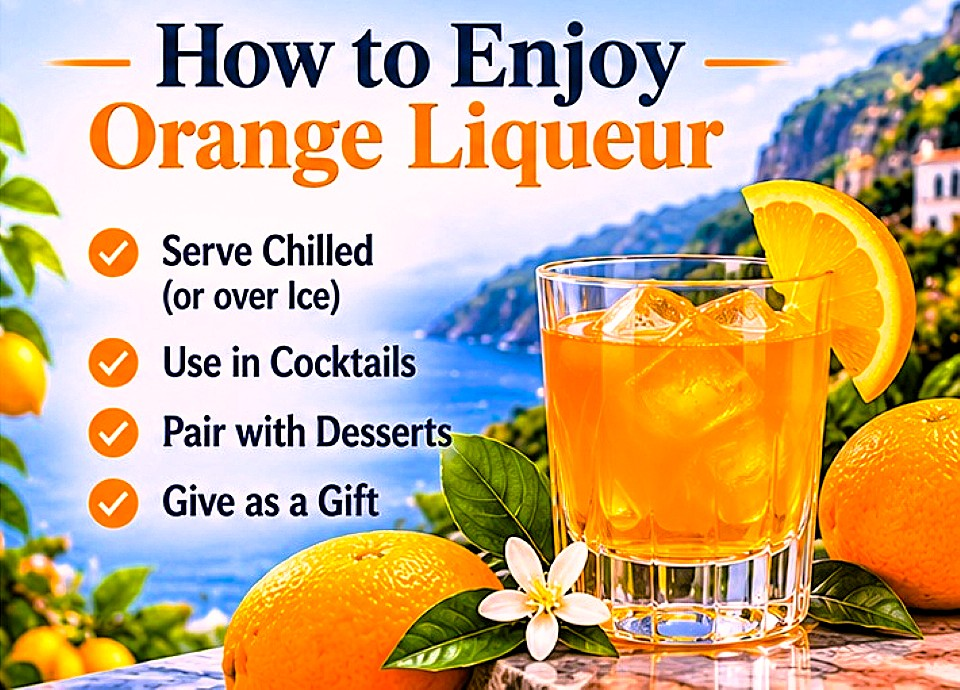
Orange liqueur served over ice with fresh orange garnish, illustrating how to enjoy it chilled, in cocktails, with desserts or as a gift.
12. Final Thoughts: Finding the Best Orange Liqueur for Your Taste
Orange liqueur is an essential category for anyone interested in classic cocktails, premium spirits and creative dessert preparation. Its appeal comes from its versatility. A good bottle can bring bright citrus character to a Margarita, add depth to a Sidecar, complement aged rum in a Mai Tai or provide an aromatic finish to a chocolate dessert.
The best-known brands each offer something different.
-
-
- Cointreau is a leading choice for a versatile, premium triple sec with a bright orange profile.
- Grand Marnier stands apart through its combination of orange flavour and Cognac.
- Pierre Ferrand Dry Curaçao offers a more layered approach to Curaçao.
- Combier brings a long French triple sec heritage.
- Senior & Co. is particularly interesting for its connection with Curaçao’s laraha orange tradition.
- Giffard, Luxardo, Bols, De Kuyper and Patrón Citrónge provide further options for people who enjoy comparing different producers and cocktail styles.
-
There is no single bottle that is perfect for every recipe. The right choice depends on whether you want fresh citrus, bitter-orange intensity, rich Cognac character, traditional Curaçao flavour or a versatile ingredient for everyday cocktail preparation.
For a well-equipped home bar, it can be useful to explore more than one style: a clear triple sec for classic cocktails and a richer Curaçao or Cognac-based orange liqueur for recipes that benefit from additional depth.
At Always Dial A Bottle Toronto, we believe that understanding the character of different spirits and liqueurs makes choosing the right bottle a more enjoyable experience. Explore the range of premium liqueurs and cocktail ingredients available through our store, and discover the orange liqueur style that best suits your preferences and occasions.
Always Dial A Bottle Toronto – Your destination for alcohol, wine, beer, liquor and liqueur delivery in Toronto and the Greater Toronto Area.