
Blog
The Best Limoncello Liqueur Brands in the World: A Complete Guide to Italy’s Finest Lemon Liqueurs


The Best Limoncello Liqueur Brands in the World: A Complete Guide to Italy’s Finest Lemon Liqueurs
Discover the best limoncello brands in the world, from traditional Sorrento and Amalfi Coast producers to internationally recognized Italian liqueur houses. Explore their origins, flavour profiles, ingredients, production traditions, serving suggestions and what makes each bottle worth discovering.
Discovering the World of Limoncello
Few liqueurs capture the character of Southern Italy quite like limoncello. Bright, aromatic and unmistakably citrus-forward, this celebrated Italian lemon liqueur is closely associated with the sun-drenched coastlines of Sorrento, Capri and the Amalfi Coast.
Traditionally made by steeping lemon zest in alcohol and combining the resulting infusion with water and sugar, limoncello is a relatively simple drink in terms of its basic ingredients. Yet the quality of the lemons, the extraction of their aromatic oils, the balance of sweetness and alcohol, and the producer’s technique can create remarkably different results.
Some limoncellos are intensely fragrant, with the fresh aroma of lemon peel and a lively citrus finish. Others are sweeter, rounder and more approachable, while premium artisanal expressions may emphasize regional lemon varieties and traditional methods.
Today, limoncello is enjoyed around the world. It remains a familiar after-dinner digestivo in Italy, but it has also become a popular ingredient in cocktails, spritzes, desserts and contemporary food pairings.
For anyone looking to discover the best limoncello liqueur brands in the world, the choices extend well beyond one famous bottle. Established Italian producers, historic distilleries, family businesses and modern craft brands all contribute to the category.
Table of Contents
-
-
- What Is Limoncello?
- The Origins and History of Limoncello
- What Makes a Great Limoncello?
- The Best Limoncello Liqueur Brands in the World
- Villa Massa
- Pallini
- Limoncello di Capri
- Luxardo
- Mamma Mia
- Tosolini
- Strega
- Staibano
- Roner
- Caffo
- Sorrento, Capri and Amalfi: Understanding Italian Lemon Heritage
- How Limoncello Is Made
- Traditional Limoncello vs. Crema di Limoncello
- How to Choose the Best Limoncello
- How to Serve Limoncello
- Popular Limoncello Cocktails
- Limoncello and Food Pairings
- Limoncello as a Gift
- Frequently Asked Questions
- Final Thoughts
-
1. What Is Limoncello?
Limoncello is a traditional Italian lemon liqueur made primarily from lemon peel, alcohol, water and sugar. Unlike many citrus-flavoured spirits that use a mixture of fruit juices, flavourings or botanical ingredients, traditional limoncello focuses on the aromatic oils found in the outer yellow skin of lemons.
The yellow zest contains natural essential oils responsible for the fruit’s characteristic fragrance. When lemon peel is steeped in alcohol, these oils are extracted, producing an intensely aromatic infusion. Water and sugar are subsequently added to create the finished liqueur. The result is typically bright yellow, fragrant, sweet and strongly citrus-driven.
What Does Limoncello Taste Like?
The flavour of limoncello varies between producers, but several characteristics are common:
-
-
- Fresh lemon aroma: Fragrant lemon zest is usually the most recognizable characteristic.
- Sweet citrus flavour: Sugar balances the natural bitterness and intensity of lemon peel.
- Aromatic oils: Good examples often have a distinctive fragrance that resembles freshly grated lemon zest.
- Full texture: Some expressions have a rounded, slightly syrupy mouthfeel.
- Citrus finish: The finish may be refreshing, sweet, zesty or gently bitter.
-
The best limoncello should offer more than sweetness. A well-made expression combines pronounced lemon character with freshness, aromatic complexity and a balanced finish.
Is Limoncello a Spirit or a Liqueur?
Limoncello is classified as a liqueur because it is a sweetened alcoholic beverage flavoured with lemon. It is generally lower in alcohol than many unflavoured distilled spirits. Bottles commonly fall somewhere around 25% to 32% alcohol by volume, although strengths vary by producer and product. The alcohol content should always be checked on the individual bottle.
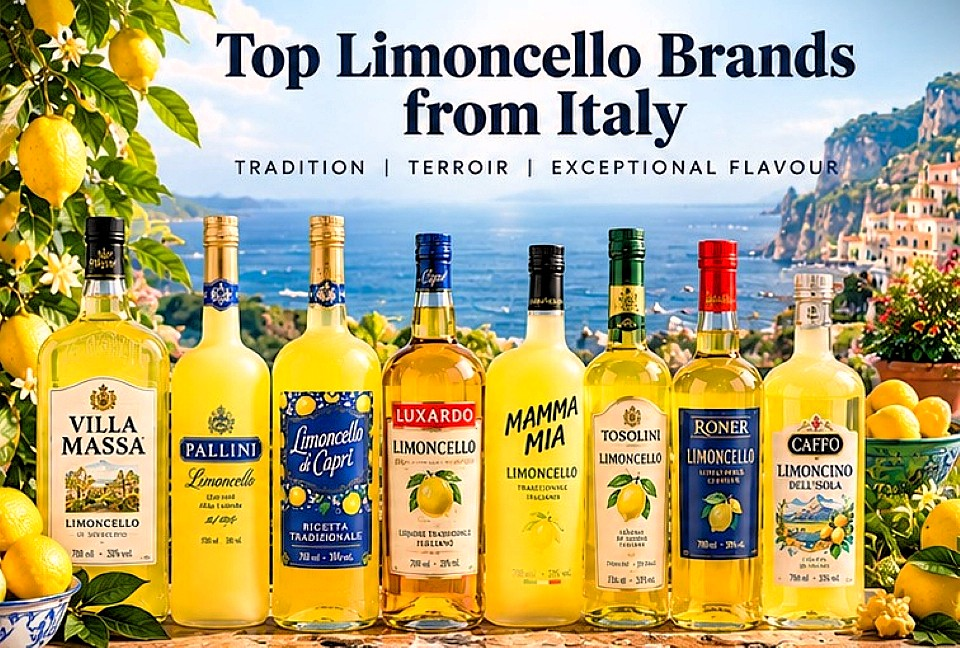
Bottles of leading Italian limoncello brands, including Villa Massa, Pallini, Limoncello di Capri, Luxardo and other lemon liqueurs.
2. The Origins and History of Limoncello
Limoncello is deeply connected to Southern Italy, particularly the Campania region and the coastal communities surrounding the Bay of Naples. Sorrento, Capri and the Amalfi Coast are especially associated with the liqueur. These areas are famous for their lemon-growing traditions, Mediterranean climate, dramatic coastal landscapes and distinctive agricultural heritage.
Although stories about homemade lemon liqueur have circulated for generations, the precise origin of limoncello is not universally established. Different families and communities have their own historical accounts and traditions.
One particularly well-known story is associated with Capri and Vincenza Canale, who served homemade lemon liqueur to guests at the Mariantonia hotel. The descendants of her family subsequently established the Limoncello di Capri company in 1988.
The history of Villa Massa is also associated with a family recipe dating to 1890. The company later brought its limoncello to a wider international audience. These histories demonstrate how a local homemade preparation developed into one of Italy’s most recognizable liqueurs.
Why Southern Italy Is So Important
The Campania coastline offers an ideal setting for growing aromatic lemons. The region’s agricultural traditions, coastal climate and distinctive growing environments have helped establish the reputation of its citrus fruit.
Two especially important lemon references are:
-
-
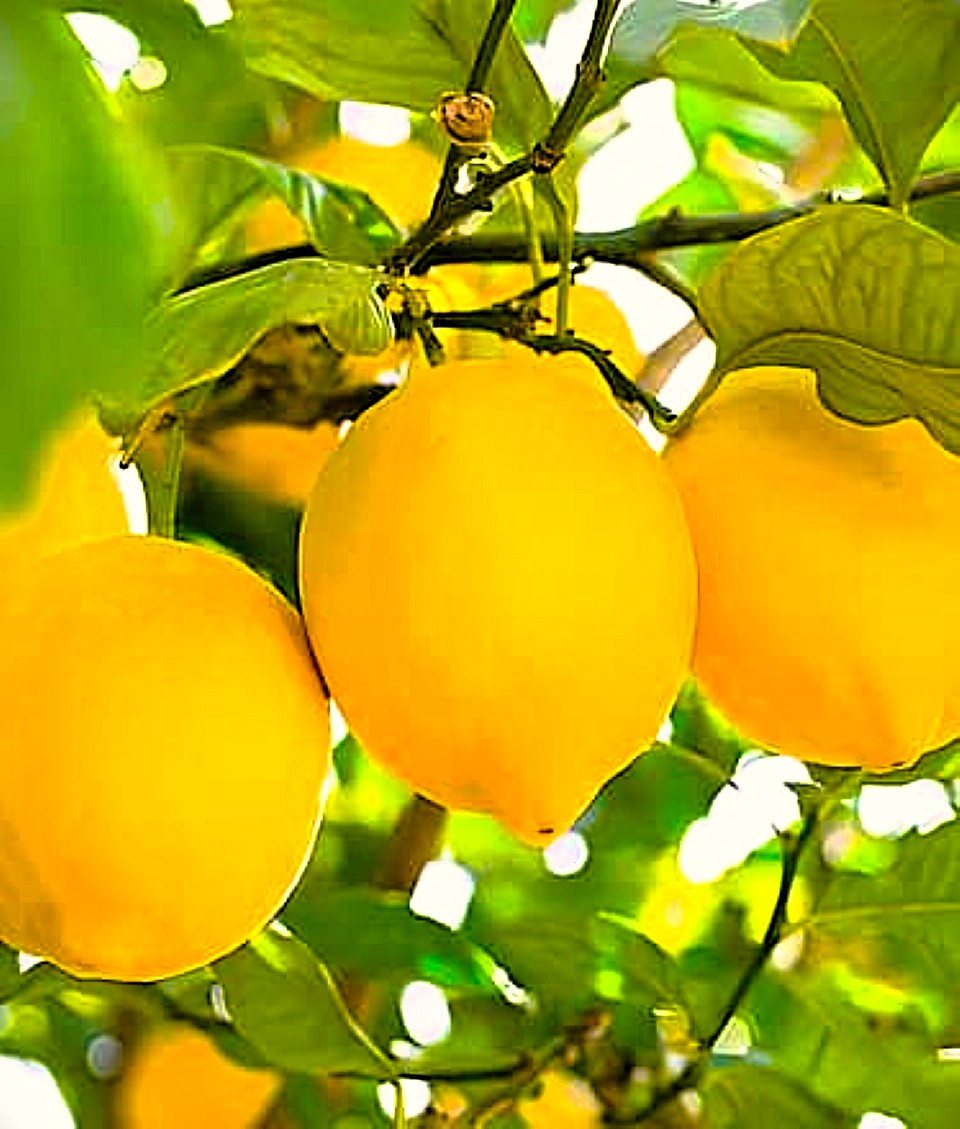
- Limone di Sorrento IGP: This protected geographical indication identifies lemons associated with the Sorrento growing area and its recognized production standards.
- Sfusato Amalfitano IGP: This lemon variety is associated with the Amalfi Coast and is known for its elongated shape and aromatic peel.
-
These geographical identities matter because the lemon is the defining ingredient in traditional limoncello. The quality and character of the fruit can influence the fragrance, intensity and overall flavour of the finished liqueur. For further information about Sorrento lemon production, consult the Consorzio di Tutela del Limone di Sorrento IGP.
3. What Makes a Great Limoncello?
Not all limoncello tastes the same. Even when two bottles contain similar basic ingredients, their aromas, sweetness, textures and finishes can be quite different. When evaluating a limoncello, consider the following characteristics.
Quality of the Lemons
The lemon is the foundation of the product. Premium producers often emphasize the origin and quality of their citrus fruit. Sorrento and Amalfi Coast lemons are particularly valued for their aromatic peels. A good limoncello should have a recognizable natural lemon aroma rather than tasting predominantly like generic lemon candy.
Aroma
Aromatic intensity is one of the most important characteristics.
A high-quality limoncello may offer aromas of:
-
-
- Fresh lemon zest
- Lemon oil
- Citrus blossom
- Sweet lemon peel
- Candied citrus
- Subtle herbal notes
-
The aroma should be inviting and distinctly citrus-forward.
Sweetness and Balance
Limoncello is naturally a sweet liqueur, but excessive sweetness can make it tiring to drink. The most enjoyable examples balance sugar with citrus intensity and alcohol. A fresh, slightly zesty finish can make a significant difference.
Texture
Traditional limoncello may have a smooth, rounded and moderately viscous texture. Some products are deliberately fuller and sweeter, while others have a lighter, more refreshing character. Cream-based versions are a separate style and should not be confused with traditional clear limoncello.
Production Method
Traditional production generally involves extracting aromatic compounds from lemon peel through alcohol maceration. The producer’s choice of lemons, alcohol, extraction time, filtration, water and sugar all influence the finished product.
4. The Best Limoncello Liqueur Brands in the World
The following producers represent a selection of established, internationally recognized and historically interesting names in the limoncello category. They are not arranged as an absolute ranking. Each offers a different perspective on Italian lemon liqueur, from traditional regional expressions to internationally distributed premium brands.
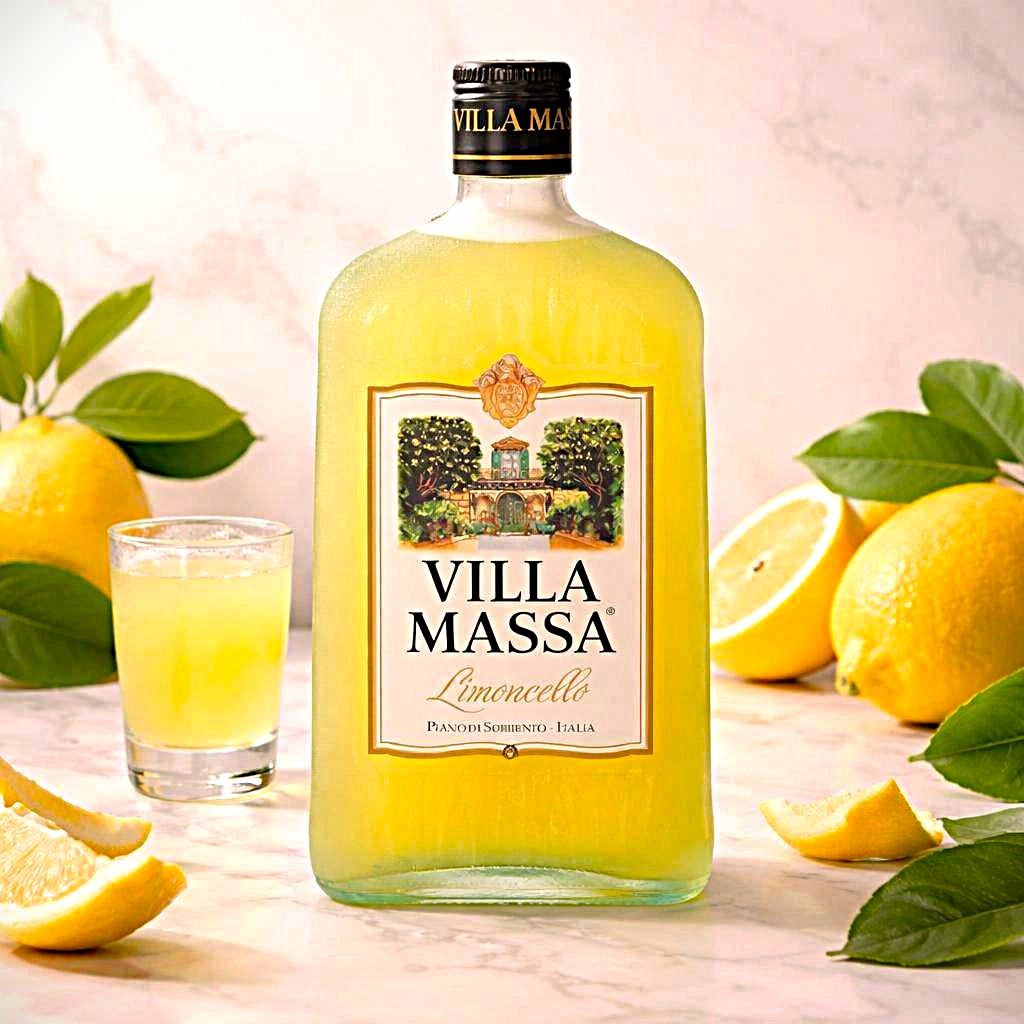
Villa Massa-leading Italian limoncello brand
1. Villa Massa Limoncello
Country: Italy
Origin: Sorrento Peninsula, Campania
Style: Traditional Sorrento lemon liqueur
Villa Massa is one of the most recognizable premium limoncello brands internationally. Its identity is closely connected to Sorrento and the Massa family’s history of producing lemon liqueur. The family tradition is traced to 1890, while the modern Villa Massa brand was established in 1991. The company emphasizes the use of Sorrento lemons and traditional production methods.
What Makes Villa Massa Special?
Villa Massa’s strongest appeal is its connection to the Sorrento lemon-growing tradition. The brand presents limoncello as an expression of local agricultural heritage rather than simply a lemon-flavoured alcoholic beverage. Its traditional style is associated with a fragrant citrus character, pronounced lemon aroma and a sweet, rounded palate.
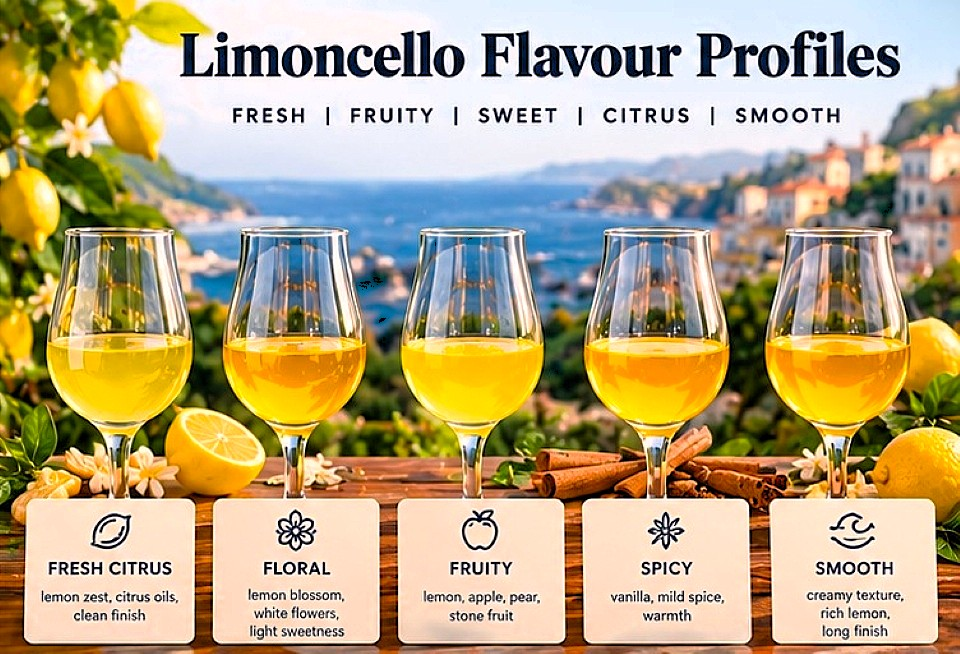
Flavour Profile
Expect a combination of:
-
-
- Fresh lemon zest
- Sweet citrus
- Aromatic lemon oils
- A rounded, smooth texture
- A refreshing citrus finish
-
How to Enjoy It?
Villa Massa can be served chilled as an after-dinner liqueur. It also works in a limoncello spritz and other citrus-forward cocktails.
Why it deserves attention: Villa Massa is an excellent reference point for anyone exploring premium Sorrento-style limoncello.
Official website: https://villamassa.com/
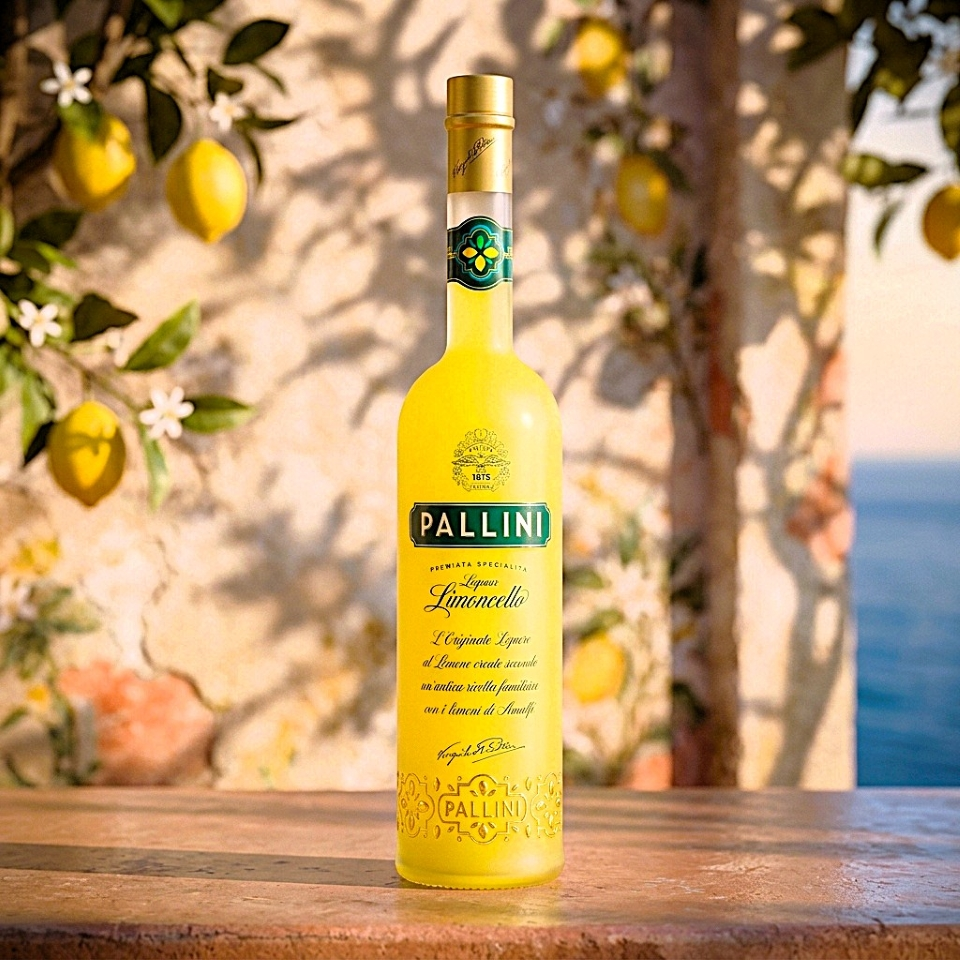
Pallini-leading Italian limoncello brand
2. Pallini Limoncello
Country: Italy
Origin: Rome, with lemons from the Amalfi Coast
Style: Premium Amalfi Coast lemon liqueur
Pallini is a historic Italian producer with a company history dating to 1875. Although the business is based in Rome, its limoncello is closely associated with the lemons of the Amalfi Coast. The company highlights the use of Sfusato Amalfitano IGP lemons, prized for their aromatic peel and distinctive regional identity.
What Makes Pallini Special?
Pallini has developed a strong international presence, making its limoncello familiar to consumers and bartenders in many markets. The brand combines Italian production heritage with a polished, internationally recognizable presentation. Its limoncello is generally associated with a fresh lemon aroma, lively citrus flavour and balanced sweetness.
Flavour Profile
Typical characteristics include:
-
-
- Fragrant lemon peel
- Fresh citrus
- Sweet lemon oils
- A smooth palate
- A clean, refreshing finish
-
Pallini’s official product information lists its traditional limoncello at 26% alcohol by volume. Always check the current bottle for the exact specification.
How to Enjoy It?
Pallini is suitable for traditional chilled service, but it is also particularly useful in cocktails. Try it in a limoncello spritz with sparkling wine and soda water.
Why it deserves attention: Pallini combines a long-established Italian liqueur heritage with a strong connection to Amalfi Coast citrus.
Official website: https://pallini.com/en/
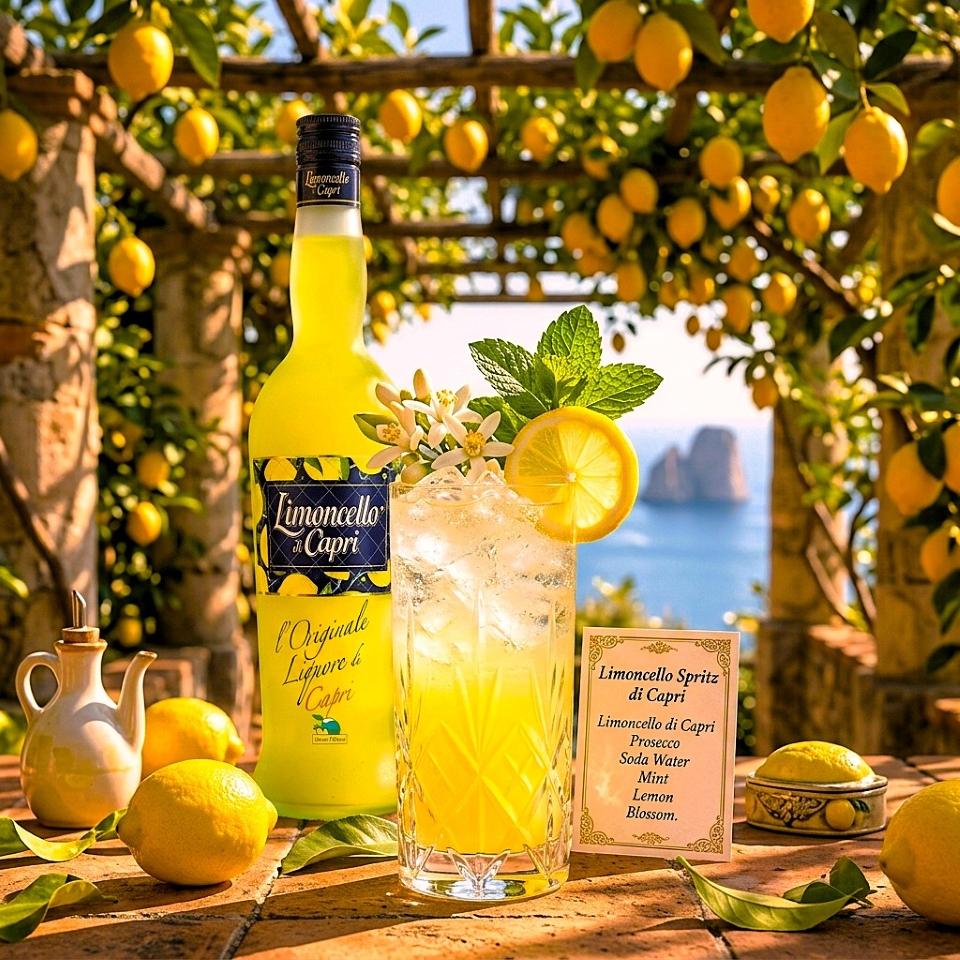
Limonchello di Capri-leading Italian limoncello brand
3. Limoncello di Capri
Country: Italy
Origin: Island of Capri and the Sorrento Peninsula
Style: Traditional artisanal lemon liqueur
Limoncello di Capri is one of the brands most closely associated with the history and identity of the island of Capri. Its story is connected to Vincenza Canale and the Mariantonia hotel, where homemade lemon liqueur was served to guests during the early twentieth century. The modern company was founded in 1988 by her descendants, who continued the family tradition.
What Makes Limoncello di Capri Special?
The brand emphasizes its relationship with Capri and the use of Sorrento IGP lemons. Its traditional approach focuses on lemon peel, alcohol, water and sugar. This relatively simple ingredient list is central to the appeal of classic limoncello.
Flavour Profile
Its style is associated with:
-
-
- Intense lemon fragrance
- Sweet citrus oils
- Fresh lemon-peel character
- A rounded texture
- A lingering citrus finish
-
How to Enjoy It?
Serve it very cold in a small liqueur glass after dinner. It can also be used in cocktails, particularly recipes that benefit from a pronounced lemon flavour.
Why it deserves attention: Limoncello di Capri has an unusually direct connection to the cultural history of the drink and the island that helped popularize it.
Official website: https://www.limoncello.com/en/
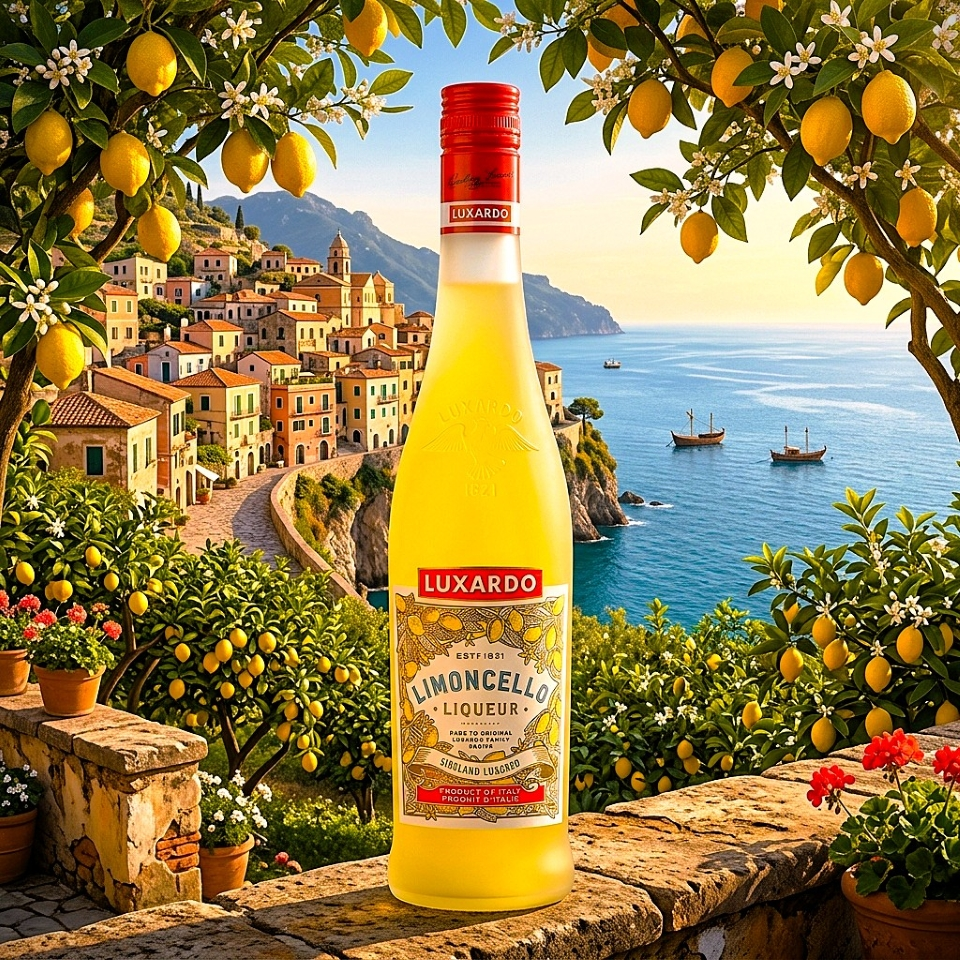
4. Luxardo Limoncello
Country: Italy
Producer: Luxardo
Style: Traditional Italian lemon liqueur
Luxardo is one of Europe’s historic liqueur producers. The company was established in 1821 by Girolamo Luxardo and is particularly famous for its maraschino liqueur. Its portfolio also includes a range of other liqueurs and spirits. Luxardo Limoncello is produced according to a family recipe first advertised in 1905.
What Makes Luxardo Special?
Luxardo brings more than two centuries of liqueur-making heritage to the category. Its limoncello is described by the producer as a natural and artisanal product. The company highlights the infusion of alcohol with lemon peels, pulp and juice from southern Italian lemons. This approach gives the product a distinctive position among established Italian liqueurs.
Flavour Profile
Expect a profile built around:
-
-
- Lemon peel
- Fresh citrus
- Sweet lemon character
- Aromatic intensity
- A persistent citrus finish
-
Luxardo lists its limoncello at 27% alcohol by volume.
How to Enjoy It?
Luxardo recommends serving its limoncello chilled or over ice with soda water or tonic. It can also be used in cocktails where a balanced lemon liqueur is required.
Why it deserves attention: Luxardo combines historic Italian liqueur-making experience with a traditional limoncello recipe.
Official website: https://www.luxardo.it/liqueurs-and-distillates/limoncello/
Luxardo-leading Italian limoncello brand
5. Mamma Mia Limoncello
Country: Italy
Style: Contemporary Italian limoncello
Mamma Mia is a modern name in the international limoncello market, with a presentation aimed at contemporary drinkers and cocktail occasions. Its identity reflects the continuing popularity of Italian citrus liqueurs beyond their traditional after-dinner role.
What Makes Mamma Mia Special?
Mamma Mia has attracted attention in modern limoncello recommendations, including reviews that identify it as a suitable option for spritz-style cocktails. The brand illustrates how limoncello has moved from a regional digestivo into a more versatile cocktail ingredient.
Flavour Profile
As with any specific bottle, the producer’s current tasting information should be consulted. In general, the appeal of this style is its bright lemon character and suitability for refreshing mixed drinks.
How to Enjoy It?
A limoncello spritz is a natural choice. Combine limoncello with sparkling wine and soda water, then garnish with a lemon slice.
Why it deserves attention: Mamma Mia represents the modern cocktail-oriented side of the limoncello category.
6. Tosolini Limoncello
Country: Italy
Producer: Distilleria Bepi Tosolini
Style: Italian citrus liqueur
Tosolini is an Italian distillery known for its selection of spirits and liqueurs. The producer has developed a reputation for working with Italian ingredients and traditional beverage-making techniques. Its limoncello is an interesting option for consumers looking beyond the most widely recognized international labels.
What Makes Tosolini Special?
Tosolini brings a distillery-led perspective to the category. Rather than relying only on the popularity of a famous coastal location, the producer’s identity is rooted in Italian distilling and liqueur-making experience.
Flavour Profile
The style of limoncello to look for here is one that emphasizes aromatic lemon character, sweetness and a smooth finish. For the exact ingredients, strength and current product description, consult the producer’s bottle information.
How to Enjoy It?
Serve chilled after a meal or use it in lemon-forward cocktails.
Why it deserves attention: Tosolini is worth considering for anyone interested in exploring Italian liqueur producers beyond the most familiar supermarket labels.
7. Strega Limoncello
Country: Italy
Producer: Strega Alberti Benevento
Style: Italian lemon liqueur
Strega is an established Italian liqueur house, best known for its historic Strega herbal liqueur. The company also has a place in the wider Italian liqueur tradition through its other products, including lemon-based expressions.
What Makes Strega Special?
The brand has a long association with Italian liqueur culture and a heritage that extends beyond limoncello. For consumers who enjoy exploring different Italian digestivi, Strega offers an interesting producer to investigate.
Flavour Profile
The exact profile depends on the particular product and market. When selecting a bottle, compare the stated lemon ingredients, alcohol strength and sweetness rather than assuming that every lemon liqueur has the same character.
How to Enjoy It?
A traditional chilled serving is a natural starting point. It may also be used in cocktails and desserts where a sweet lemon liqueur is appropriate.
Why it deserves attention: Strega adds the perspective of a historic Italian liqueur producer to the wider lemon liqueur category.
8. Staibano Limoncello
Country: Italy
Origin: Campania
Style: Traditional regional limoncello
Staibano is associated with the southern Italian limoncello tradition and is an interesting name for consumers who enjoy exploring smaller or more regionally focused producers. The brand has appeared in specialist limoncello recommendations, including contemporary tasting guides.
What Makes Staibano Special?
Its appeal is connected to traditional Italian lemon liqueur rather than a heavily modernized cocktail identity. For enthusiasts, discovering regional producers can be a rewarding part of exploring limoncello.
Flavour Profile
Look for the characteristics expected from a traditional lemon liqueur:
-
-
- Fragrant citrus
- Lemon-peel intensity
- Sweetness
- A smooth palate
- A refreshing finish
-
How to Enjoy It?
Serve cold in a small glass as a digestivo. It can also be used in a simple limoncello spritz.
Why it deserves attention: Staibano is worth exploring as part of a broader selection of Italian regional limoncello producers.
9. Roner Limoncello
Country: Italy
Origin: South Tyrol
Style: Italian citrus liqueur
Roner is an established Italian distillery based in South Tyrol, a region known for its fruit-growing and distilling traditions. The company produces a variety of spirits and liqueurs, including lemon liqueur.
What Makes Roner Special?
Roner offers a different geographical perspective from the better-known Campania producers. Its location in northern Italy demonstrates that Italian liqueur-making traditions extend well beyond the Amalfi Coast and Sorrento Peninsula.
Flavour Profile
Roner’s limoncello is a bottle to consider for consumers interested in comparing regional approaches to citrus liqueurs. Check the current product information for exact ingredients and specifications.
How to Enjoy It?
Serve chilled after dinner or use it in refreshing cocktails.
Why it deserves attention: Roner provides an opportunity to explore an Italian distillery outside the traditional southern limoncello heartland.
10. Caffo Limoncello and Lemon Liqueurs
Country: Italy
Producer: Distilleria F.lli Caffo
Style: Italian citrus liqueurs
Caffo is a well-known Italian distillery with a broad portfolio of spirits and liqueurs. The producer is associated with several Italian liqueur traditions and has also appeared in international spirits competition results for lemon-based products. Its portfolio includes lemon liqueur expressions such as Limoncino dell’Isola and Clementino.
What Makes Caffo Special?
Caffo demonstrates the variety within the broader Italian citrus liqueur category. Not every lemon liqueur is identical to traditional limoncello. Products can differ in the citrus fruit used, the production process and the resulting flavour. This makes it important to read the bottle description rather than treating all lemon liqueurs as interchangeable.
How to Enjoy It?
Serve according to the producer’s recommendations. Lemon liqueurs can also be useful in cocktails and desserts.
Why it deserves attention: Caffo is an established Italian liqueur producer with a wider citrus portfolio worth exploring.
Five glasses of Italian limoncello illustrating fresh citrus, floral, fruity, spicy and smooth flavour profiles.
5. Sorrento, Capri and Amalfi: Understanding Italian Lemon Heritage
To understand what makes traditional limoncello special, it helps to understand the lemons associated with its birthplace.
Sorrento Lemons
Sorrento lemons are among the most recognized citrus fruits in Italy. The Sorrento Peninsula has a long history of lemon cultivation. Traditional groves are often located on terraced hillsides, where agricultural practices have adapted to the local landscape.
The Limone di Sorrento IGP designation identifies lemons from the protected geographical area. For limoncello producers, the fruit’s aromatic peel is particularly important.
Amalfi Coast Lemons
The Amalfi Coast is famous for its distinctive Sfusato Amalfitano lemon. The name refers to the fruit’s elongated shape. These lemons are closely associated with the terraces and landscapes of the coast. Their peel is valued for its fragrance and essential oils. Pallini, for example, specifically highlights Sfusato Amalfitano IGP lemons in its limoncello.
Capri Lemons
Capri is another important part of limoncello’s cultural identity. The island is closely connected to the popularization of the drink, and Limoncello di Capri has built its brand around this heritage.
Does the Lemon’s Origin Really Matter?
Yes, but origin is only one part of the equation. A premium lemon variety can contribute desirable aromas and flavour, but the final quality also depends on how the fruit is handled and how the liqueur is produced. A bottle made with a recognized regional lemon is not automatically superior to every other product.
Look at the complete picture: fruit quality, production method, aroma, sweetness, balance and producer transparency.
6. How Limoncello Is Made
Traditional limoncello is made through a relatively straightforward process, but careful execution makes a substantial difference.
Step 1: Selecting the Lemons
The producer begins with suitable lemons, often selecting fruit for its aromatic peel. The outer yellow zest is especially important because it contains the essential oils that give limoncello its characteristic fragrance.
Step 2: Peeling the Fruit
The yellow outer skin is separated from the white pith underneath. This matters because the white pith can contribute unwanted bitterness. The aim is to capture the aromatic yellow peel while minimizing the amount of white material.
Step 3: Alcohol Infusion
The lemon peels are steeped in alcohol. During maceration, the alcohol extracts aromatic oils and other flavour compounds from the zest. The liquid gradually develops its characteristic yellow colour and intense lemon fragrance.
Step 4: Preparing the Syrup
Water and sugar are combined to create a syrup. The proportions influence the final alcohol strength, sweetness and texture.
Step 5: Blending
The lemon infusion is combined with the syrup. The producer adjusts the mixture to achieve the desired flavour and alcohol content.
Step 6: Filtration and Bottling
The finished liqueur may be filtered to achieve the desired clarity and appearance. It is then bottled and prepared for distribution.
Why Does Limoncello Have Different Shades of Yellow?
Limoncello can range from pale yellow to a deeper, more intense golden colour. Differences may reflect the lemons, extraction method, filtration and production choices. Colour alone is not a reliable measure of quality. A naturally produced limoncello should be evaluated through its aroma, flavour, ingredients and overall balance.
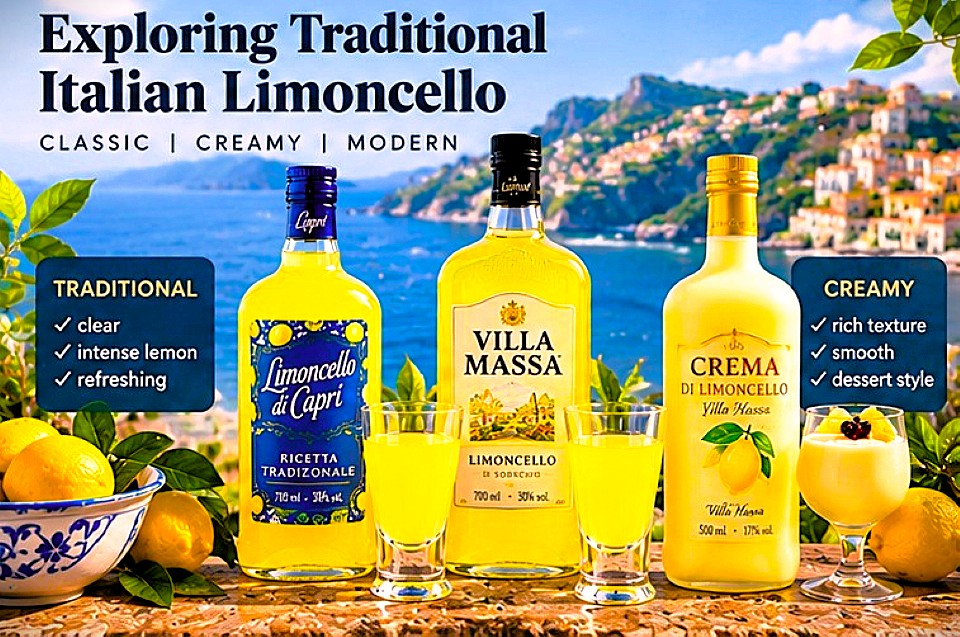
7. Traditional Limoncello vs. Crema di Limoncello
Although both products are associated with Italian lemon liqueur, traditional limoncello and crema di limoncello are different styles.
Traditional Limoncello
Traditional limoncello is usually clear or translucent, although its colour may vary. Its main ingredients are lemon peel, alcohol, water and sugar. The flavour is generally bright, sweet and citrus-forward. It is commonly served chilled after a meal.
Crema di Limoncello
Crema di limoncello is a cream-based lemon liqueur. It combines lemon flavour with dairy or other creamy ingredients, creating a richer texture.
Typical characteristics include:
-
-
- Creamy mouthfeel
- Sweet lemon flavour
- Softer citrus intensity
- Dessert-like character
- A richer finish
-
Which One Should You Choose?
Choose traditional limoncello if you prefer an intense lemon aroma and a classic Italian digestivo. Choose crema di limoncello if you enjoy sweeter, richer liqueurs that resemble a liquid dessert. Both styles have their place, but they offer different drinking experiences.
8. How to Choose the Best Limoncello
Choosing the right limoncello depends on your preferences and how you intend to serve it.
For Traditional Italian Character
Look for producers with a documented connection to Sorrento, Capri or the Amalfi Coast. Villa Massa, Pallini and Limoncello di Capri are useful starting points.
For a Recognized International Brand
Consider established producers such as Luxardo or Pallini. Their international distribution makes them familiar names in the premium liqueur category.
For Cocktails
Choose a limoncello with a clear lemon aroma and balanced sweetness. An excessively sweet product may dominate a cocktail, while a more balanced liqueur can integrate more easily with sparkling wine, soda and other ingredients.
For After-Dinner Drinking
Traditional limoncello is the classic choice. Look for a smooth texture, pronounced lemon aroma and a refreshing finish.
For Dessert Pairings
Crema di limoncello can be particularly suitable for desserts, although traditional limoncello is also excellent with fruit, cakes and pastries.
What Should You Check on the Bottle?
Before purchasing, review:
-
-
- The producer and country of origin.
- The stated alcohol percentage.
- The ingredients and lemon information.
- The product style—traditional or cream-based.
- The recommended serving method.
- The bottle size and storage instructions.
-
A transparent producer description is a useful sign that the brand takes its product identity seriously.
Limoncello di Capri bottle and chilled glass of lemon liqueur illustrating how to serve and enjoy traditional Italian limoncello.
9. How to Serve Limoncello
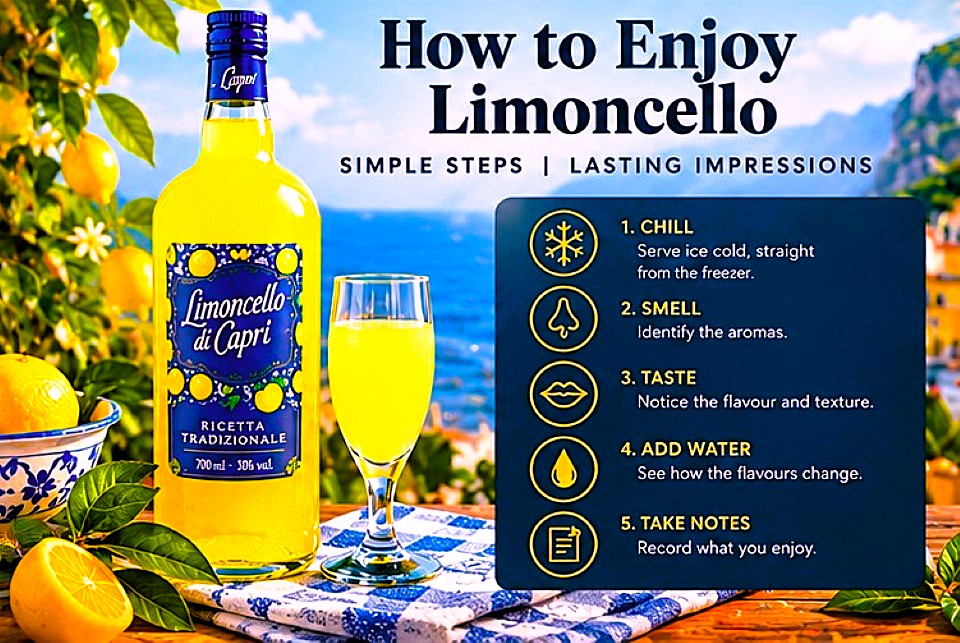
The traditional way to enjoy limoncello is chilled, usually after a meal.
Serve It Very Cold
Many people store limoncello in the freezer and serve it directly from there. The cold temperature creates a refreshing drinking experience and gives the liqueur a smooth, concentrated character. Always follow the manufacturer’s storage instructions.
Choose the Right Glass
Small liqueur glasses are traditional. A chilled cordial glass or small stemmed glass also works well. The goal is to serve a modest portion that allows the aroma and flavour to be appreciated.
Serve It After Dinner
In Italy, limoncello is commonly enjoyed as a digestivo. It is traditionally served after a meal, often alongside coffee or dessert. Although it is commonly described as a digestive drink, it should not be considered a proven treatment for indigestion or a medical aid to digestion.
Serve It Over Ice
For a more relaxed drink, pour limoncello over ice. A splash of soda water can create a lighter, refreshing long drink.
Use It in a Spritz
Limoncello is also an excellent ingredient in sparkling cocktails. Its citrus sweetness works particularly well with dry sparkling wine and soda water.
10. Popular Limoncello Cocktails
Limoncello is much more versatile than a traditional after-dinner serving might suggest. Its lemon aroma and sweetness make it a useful ingredient in cocktails.
1. Limoncello Spritz
The limoncello spritz is one of the most popular modern ways to enjoy lemon liqueur.
Ingredients:
-
-
- 60 ml limoncello
- 90 ml Prosecco
- 30 ml soda water
- Ice
- Lemon slice
- Fresh mint, optional
-
Preparation:
-
-
- Fill a large wine glass with ice.
- Add the limoncello.
- Pour in the Prosecco.
- Add soda water.
- Stir gently.
- Garnish with lemon and mint.
-
The result is a refreshing sparkling cocktail with a bright citrus character.
2. Limoncello Martini
A lemon-forward cocktail with a smooth, elegant presentation.
Ingredients:
-
-
- 45 ml vodka
- 30 ml limoncello
- 15 ml fresh lemon juice
- Ice
- Lemon twist
-
Preparation:
-
-
- Add all liquid ingredients to a cocktail shaker filled with ice.
- Shake until well chilled.
- Strain into a chilled cocktail glass.
- Garnish with a lemon twist.
-
Adjust the lemon juice to balance the sweetness of the limoncello.
3. Limoncello Gin Fizz
This cocktail combines citrus liqueur with gin and sparkling soda.
Ingredients:
-
-
- 45 ml gin
- 30 ml limoncello
- 20 ml fresh lemon juice
- Soda water
- Ice
-
Preparation:
-
-
- Add gin, limoncello and lemon juice to a shaker with ice.
- Shake thoroughly.
- Strain into an ice-filled glass.
- Top with soda water.
- Garnish with lemon.
-
4. Limoncello Mojito
A citrus-inspired variation on the classic mojito.
Ingredients:
-
-
- 45 ml white rum
- 30 ml limoncello
- Fresh mint
- 20 ml lime juice
- Soda water
- Ice
-
Preparation:
-
-
- Gently muddle mint with lime juice.
- Add rum and limoncello.
- Fill the glass with ice.
- Top with soda water.
- Stir gently and garnish with mint.
-
5. Limoncello Lemonade
A simple, refreshing long drink.
Ingredients:
-
-
- 45 ml limoncello
- 120 ml lemonade
- Ice
- Fresh lemon
- Soda water, optional
-
Preparation:
-
-
- Fill a tall glass with ice.
- Add limoncello.
- Pour in lemonade.
- Add soda water if desired.
- Garnish with lemon.
-
6. Limoncello Prosecco Cocktail
A straightforward combination for celebrations and special occasions.
Ingredients:
-
-
- 30 ml limoncello
- 120 ml Prosecco
- Lemon peel
- Ice, optional
-
Preparation:
Pour the limoncello into a chilled wine glass, add Prosecco and garnish with lemon peel. This simple combination allows the citrus character to remain prominent.
Italian lemon liqueur bottles and tasting glasses arranged on a Mediterranean terrace with fresh lemons.
11. Limoncello and Food Pairings
Limoncello is often served after dinner, but its citrus flavour also works with a variety of desserts and foods.
Lemon Cake
Lemon cake is a natural pairing. The citrus flavours complement each other, while the liqueur adds a more intense lemon aroma.
Tiramisu
A lemon-inspired tiramisu can be an interesting alternative to the traditional coffee version. Limoncello may also be used in small quantities in dessert preparations.
Cheesecake
Traditional cheesecake pairs well with the bright citrus character of lemon liqueur. A lemon cheesecake is especially suitable.
Fresh Fruit
Strawberries, raspberries, peaches and other fresh fruit can complement limoncello. The fruit’s natural sweetness and acidity provide a pleasant contrast.
Almond Desserts
Italian almond biscuits, almond cake and other nut-based desserts can provide an interesting contrast to the liqueur’s citrus profile.
Dark Chocolate
Dark chocolate can create a contrast between bitter cocoa notes and sweet lemon flavour. A small chilled serving of limoncello alongside a chocolate dessert can be an enjoyable combination.
Seafood
Lemon is a familiar companion to seafood. Although limoncello is not typically served as a direct sauce ingredient, its citrus character can complement a Mediterranean-inspired meal when enjoyed separately.
12. Limoncello as a Gift
Limoncello makes an appealing gift for people who appreciate Italian food, travel, entertaining and premium liqueurs. Its bright colour, recognizable Italian identity and connection to the Mediterranean make it particularly suitable for celebrations.
Birthday Gifts
A bottle of premium limoncello can be a thoughtful birthday gift for someone who enjoys Italian liqueurs.
Anniversary Gifts
Limoncello can complement a premium gift basket or an Italian-themed dinner celebration.
Corporate Gifts
A carefully presented bottle can be included in a corporate gift package, subject to applicable alcohol-purchasing and delivery rules.
Italian-Themed Gift Baskets
Consider combining limoncello with:
-
-
- Italian biscuits
- Premium chocolates
- Lemon sweets
- Specialty coffee
- Gourmet pasta
- Olive oil
- Elegant glassware
-
A well-presented gift basket can create a distinctive Mediterranean-inspired gift.
Luxury Alcohol Gift Delivery in Toronto
For customers in Toronto and the Greater Toronto Area, Always Dial A Bottle Toronto offers an opportunity to explore alcohol and gift delivery options. A premium Italian liqueur such as limoncello can be considered for an adult celebration, dinner party or special occasion.
Availability, product selection, delivery areas and applicable age-verification requirements should always be confirmed before ordering.
13. Frequently Asked Questions About Limoncello
What Is the Best Limoncello Brand in the World?
There is no universally agreed winner, but Villa Massa, Pallini, Limoncello di Capri and Luxardo are among the most recognizable Italian brands worth exploring. The best choice depends on whether you prefer traditional Sorrento character, Amalfi Coast lemons, a historic producer or a more cocktail-oriented style.
Which Country Makes the Best Limoncello?
Italy is the traditional home of limoncello. Southern Italy, particularly the Campania region, is strongly associated with the liqueur. Sorrento, Capri and the Amalfi Coast are especially important to its identity.
What Is the Difference Between Limoncello and Lemon Liqueur?
Limoncello is a specific style of Italian lemon liqueur traditionally made by infusing lemon peel in alcohol and combining the infusion with water and sugar. Lemon liqueur is a broader category that can include different recipes, citrus varieties, production methods and flavouring approaches.
Is Limoncello Made from Lemon Juice?
Traditional limoncello primarily relies on lemon peel rather than lemon juice. The aromatic oils in the outer peel provide much of its characteristic fragrance and flavour. Some producers may use additional lemon components, but the traditional method focuses on the zest.
Why Is Limoncello Yellow?
Its yellow colour comes primarily from the extraction of natural compounds and oils from lemon peel. The precise shade can vary depending on the lemons and production method.
Should Limoncello Be Served Cold?
Yes. Traditional limoncello is commonly served very cold. Many people keep the bottle in the freezer, although storage recommendations should be checked for the specific product.
Can You Drink Limoncello Straight?
Yes. It is traditionally enjoyed neat, chilled and in small servings. It can also be served over ice or mixed into cocktails.
What Is the Alcohol Content of Limoncello?
Alcohol content varies by brand and product. Many traditional limoncellos fall in the approximate range of 25% to 32% ABV. Always check the bottle for the exact percentage.
Is Limoncello Sweet?
Yes. Limoncello is a sweet liqueur. However, the level of sweetness varies between producers. Some bottles have a more pronounced sugary character, while others emphasize fresh lemon peel and citrus intensity.
What Is Crema di Limoncello?
Crema di limoncello is a cream-based variation of traditional lemon liqueur. It has a richer, smoother texture and a dessert-like flavour.
Is Limoncello Good in Cocktails?
Yes. Limoncello works well in spritzes, martinis, gin cocktails, sparkling drinks and refreshing long drinks. Its lemon aroma and sweetness make it a versatile cocktail ingredient.
What Is the Best Limoncello for a Spritz?
Choose a limoncello with a fresh lemon aroma and balanced sweetness. Villa Massa, Pallini and other traditional expressions can be starting points, but the best result depends on the sweetness of the bottle and the sparkling wine used.
What Is the Best Limoncello for a Gift?
A recognizable premium Italian producer such as Villa Massa, Pallini, Limoncello di Capri or Luxardo can make an attractive gift. Packaging, availability and the recipient’s taste preferences should also influence the choice.
Does Limoncello Need to Be Refrigerated?
Storage requirements vary by product. Many people prefer to serve traditional limoncello directly from the freezer. Check the producer’s storage recommendations, especially for cream-based products, which may have different requirements.
Is Limoncello a Digestif?
Limoncello is traditionally served as a digestivo after a meal in Italy. The term describes its customary role in dining culture; it should not be interpreted as evidence that the drink medically improves digestion.
Leading Limoncello Liqueur Brands in the World
14. Final Thoughts: Discovering the Best Limoncello in the World
Limoncello is one of Italy’s most recognizable liqueurs, combining the fragrance of fresh lemons with generations of regional tradition. Its story is inseparable from Southern Italy, particularly Sorrento, Capri and the Amalfi Coast. These areas have helped establish the reputation of Italian lemon liqueur around the world.
For anyone beginning to explore the category, Villa Massa, Pallini, Limoncello di Capri and Luxardo are excellent names to know. They represent different aspects of Italian limoncello heritage, from regional lemon traditions to historic liqueur production and international recognition.
Other producers, including Mamma Mia, Tosolini, Strega, Staibano, Roner and Caffo, offer additional opportunities to discover the diversity of lemon liqueurs. The ideal bottle ultimately depends on personal preference. Some people enjoy an intensely aromatic, traditional limoncello, while others prefer a sweeter, smoother or more cocktail-friendly expression.
Whether served ice-cold after dinner, mixed into a sparkling limoncello spritz, paired with an Italian dessert or presented as part of a premium gift basket, limoncello brings a distinctive taste of the Mediterranean to the occasion.
For customers exploring premium liqueurs and alcohol delivery in Toronto and the GTA, Always Dial A Bottle Toronto is a destination to explore for available spirits, liqueurs, wine, beer and special-occasion delivery options.