
Blog
Most Popular White Rum Brands in the World: 25 Famous White Rums Every Rum Lover Should Know

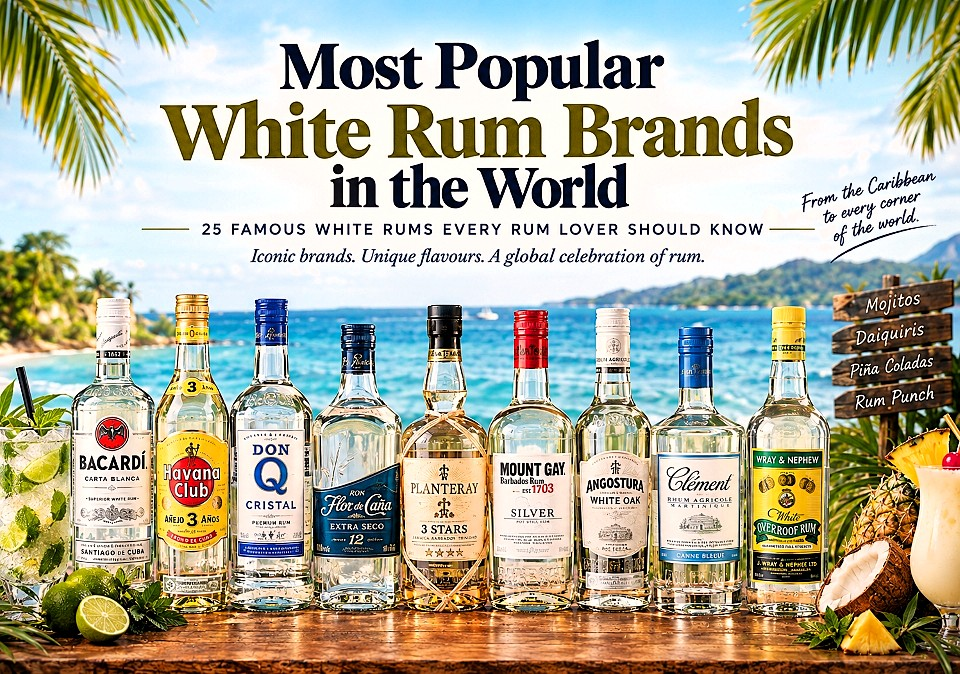
Most Popular White Rum Brands in the World: 25 Famous White Rums Every Rum Lover Should Know
White rum is one of the most versatile spirits in the world. From the crisp Mojito and classic Daiquiri to the tropical Piña Colada, Caribbean rum punch and refreshing rum highball, white rum plays an essential role in some of the most recognizable cocktails ever created.
But not all white rums taste alike. Some are light, clean and delicate, while others offer distinctive notes of sugarcane, citrus, tropical fruit, vanilla, pepper or fresh herbs. Certain expressions are aged in oak and then filtered to remove most of their colour; others are bottled unaged to preserve the vivid character of their raw ingredients. Overproof white rums and traditional sugarcane-juice rums offer even more variety.
In this guide, we explore 25 of the most popular white rum brands and expressions in the world, including internationally recognized names such as Bacardi, Havana Club, Don Q, Flor de Caña, Planteray, Mount Gay, Angostura, Rhum Clément and Wray & Nephew. We also look at premium cocktail rums, distinctive regional producers and white rums worth discovering.
Whether you are choosing a dependable bottle for home cocktails, searching for a more characterful rum for a Daiquiri, or learning about the differences between Caribbean rum traditions, this guide will help you make a more informed choice.
For readers in Toronto and the Greater Toronto Area, Always Dial A Bottle Toronto provides a convenient starting point for exploring available spirits and delivery options. Product selection, availability and delivery eligibility can vary, so check the current listing before ordering.
Table of Contents
-
-
- What Is White Rum?
- How We Selected These White Rum Brands
- The 25 Most Popular White Rum Brands in the World
- White Rum Comparison Table
- White Rum vs. Light Rum vs. Silver Rum
- White Rum vs. Dark Rum
- How to Choose the Best White Rum
- The Best White Rum for Popular Cocktails
- How to Taste White Rum
- Frequently Asked Questions About White Rum
- Exploring White Rum in Toronto
- Final Thoughts: Which White Rum Should You Try?
-
1. What Is White Rum?
White rum, also called light rum, silver rum or blanco rum in some markets, is a category of rum commonly recognized by its clear or nearly colourless appearance. It is made from sugarcane-derived ingredients, usually molasses, although some traditional rum styles are produced from fresh sugarcane juice.
Despite its transparent appearance, white rum is not necessarily unaged. Many white rums spend time in oak barrels before being filtered to remove most of the colour. Others are rested briefly in tanks or bottled without barrel ageing, depending on the producer and the style.
The result is a remarkably diverse category. One white rum might have a soft, neutral profile designed to blend seamlessly into cocktails. Another may taste distinctly of fresh cane, citrus, green banana, tropical fruit, black pepper or earthy herbs.
How is white rum made?
Although production methods vary by country and distillery, the general process involves several stages.
1. Sugarcane ingredients
Most rum is made from molasses, a by-product of sugar production. Some producers, especially in French Caribbean traditions, use fresh sugarcane juice. The ingredient used has a significant influence on the finished spirit.
2. Fermentation
Yeast converts fermentable sugars into alcohol and produces aromatic compounds. Fermentation practices, duration and yeast selection can influence whether the resulting spirit tastes relatively light or more expressive.
3. Distillation
Rum can be distilled in column stills, pot stills or combinations of both. Column distillation is often associated with lighter, cleaner styles, while pot distillation can produce spirits with a more pronounced aromatic character. These are broad tendencies rather than absolute rules.
4. Maturation or resting
Some white rums are bottled unaged. Others mature in oak barrels, developing additional flavours and texture. The rum may acquire a pale straw colour during maturation.
5. Filtration and blending
For many white rums, filtration reduces or removes the colour acquired in barrels. Blending different distillates can also help a producer maintain a consistent flavour profile from batch to batch.
6. Bottling
The final spirit is adjusted to the producer’s intended bottling strength and prepared for sale. Alcohol content, production details and labelling conventions vary by market and expression.
Bacardi’s official description of its Carta Blanca rum, for example, explains that the spirit is aged in American white oak and filtered using charcoal. Havana Club describes its 3 Años as a white rum aged for a minimum of three years, with notes of sugarcane, citrus, fruit and soft oak. These examples demonstrate why a clear appearance does not tell the whole story.
Sources: Bacardi Carta Blanca and Havana Club 3 Años.
What does white rum taste like?
White rum can offer a broad range of flavours, depending on its ingredients, fermentation, distillation, maturation and filtration.
Common flavour characteristics include:
-
-
- Citrus: lime zest, lemon peel and fresh orange.
- Sugarcane: grassy, green, vegetal or lightly sweet aromas.
- Tropical fruit: banana, pineapple, coconut and ripe fruit.
- Floral notes: delicate blossoms and fragrant herbs.
- Vanilla and oak: more common in aged-and-filtered expressions.
- Pepper and spice: particularly noticeable in some high-strength or traditional cane-juice rums.
- Earthy or savoury notes: often associated with distinctive regional production traditions.
-
White rum is popular because its flavour can complement other ingredients without overwhelming them. However, a more aromatic white rum may be a better choice when the spirit itself is intended to stand out.
2. How We Selected These White Rum Brands
The phrase “most popular white rum brands in the world” can mean different things depending on the evidence being considered.
A brand that sells large volumes internationally is not necessarily the favourite of cocktail specialists. A premium bottle praised by bartenders may have a smaller distribution footprint than a widely available everyday rum. Likewise, a rum that works particularly well in a Daiquiri may not be the best choice for every cocktail.
This article uses a practical editorial approach, considering several factors:
-
-
- International recognition: established brands with visibility across multiple markets.
- White-rum relevance: producers with a recognizable white, silver, light, unaged or aged-and-filtered expression.
- Cocktail versatility: suitability for classic and contemporary rum drinks.
- Distinctive production traditions: examples that demonstrate the diversity of rum-producing regions.
- Range of styles: everyday mixing rums, premium cocktail rums, overproof spirits and traditional sugarcane-juice rums.
- Useful consumer information: how each expression differs and what type of drinker or cocktail it may suit.
-
This is an editorial selection, not a definitive global sales ranking. Public industry reports often rank entire rum brands rather than individual white-rum expressions. For example, Drinks International’s 2025 bar-focused rum report placed Bacardi first among its bestselling brands, followed by Havana Club and Planteray.
That report reflects the preferences and purchasing practices of participating bars, not a universal ranking of every white rum sold worldwide. Read the Drinks International Brands Report 2025: Rum for additional industry context.
The 25 selections below are therefore best understood as a guide to notable and widely recognized white rums, rather than an audited ranking from first place to twenty-fifth.
3. The 25 Most Popular White Rum Brands in the World
1. Bacardi Superior / Carta Blanca — Puerto Rican-Style White Rum
Bacardi is one of the most internationally recognizable names in rum. Its Superior or Carta Blanca expression, depending on the market, is a familiar choice for home bartenders, restaurants and cocktail bars.
Bacardi’s modern rum history began in Santiago de Cuba in 1862. The brand later developed a major presence in Puerto Rico and international markets. Its light rum became closely associated with the growth of classic rum cocktails.
Flavour profile: Delicate fruit, citrus, almond-like notes, subtle vanilla and a clean finish, with the precise profile varying by market and bottling.
Best uses: Mojitos, Daiquiris, Cuba Libres, rum punches and simple mixed drinks.
Why it stands out: Bacardi is a practical choice for people who want a recognizable, versatile white rum that works across a wide range of recipes. Its relatively restrained profile allows lime, mint, sugar and mixers to remain prominent.
For a classic Daiquiri, combine white rum with fresh lime juice and simple syrup. Shake with ice and strain into a chilled glass. The recipe is straightforward, but the rum’s balance and texture still influence the final drink.
Official information: Bacardi Superior / Carta Blanca.
2. Havana Club 3 Años — Cuba
Havana Club 3 Años is one of the most recognizable white-rum expressions associated with Cuban cocktail traditions. It is particularly relevant to drinks such as the Mojito and Daiquiri, where a combination of freshness, fruit and subtle barrel character can add depth.
The rum is aged for a minimum of three years and filtered, leaving it pale in colour while retaining some of the complexity developed during maturation.
Flavour profile: Fresh sugarcane, citrus, fruit, molasses and soft oak.
Best uses: Cuban-style Mojitos, Daiquiris, Canchánchara-inspired cocktails and rum highballs.
Why it stands out: Havana Club 3 Años offers a useful example of how barrel ageing and filtration can coexist with the clean appearance expected of white rum. Rather than tasting completely neutral, it can contribute an identifiable rum character to a cocktail.
Its style is especially appealing when the drink calls for the spirit to complement fresh lime and sugar without dominating them. Availability and product naming differ between countries, so confirm the exact expression and market when comparing bottles.
Official information: Havana Club 3 Años.
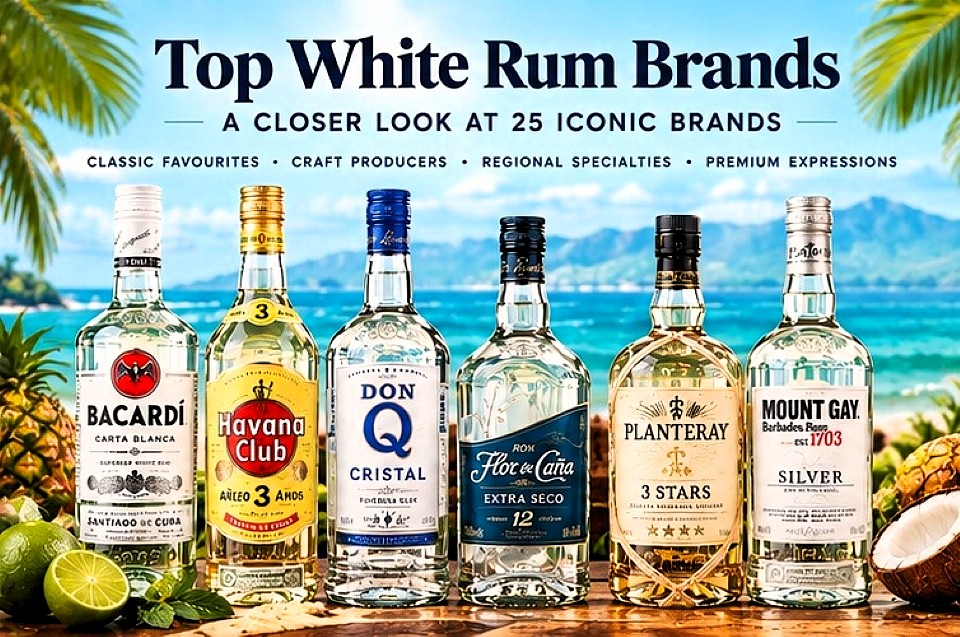
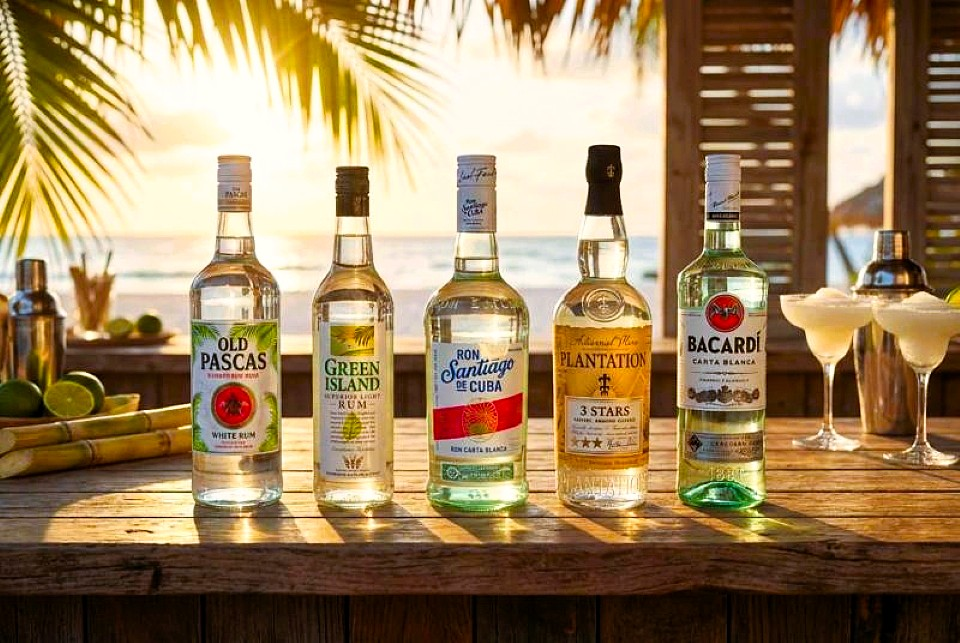
Popular white rum brands including Bacardi, Havana Club, Don Q, Flor de Caña, Planteray and Mount Gay.
3. Don Q Cristal — Puerto Rico
Don Q is a well-established Puerto Rican rum brand produced by Destilería Serrallés. Its Cristal expression is designed for mixing and is a useful option for people who prefer a relatively light rum profile.
Flavour profile: Light-bodied, clean and versatile, with delicate fruit and subtle sweetness.
Best uses: Daiquiris, Mojitos, Piña Coladas and rum-and-soda drinks.
Why it stands out: Don Q Cristal is worth considering when a cocktail requires a white rum that supports the other ingredients rather than becoming the dominant flavour. It is particularly suitable for citrus-driven recipes and drinks with several components.
Puerto Rico has a long-standing rum industry, and Don Q offers a recognizable example of the island’s contribution to the international white-rum category.
For a simple tasting comparison, use the same Daiquiri recipe with Don Q Cristal and another white rum. Keeping the lime juice, syrup and shaking method consistent makes the differences in aroma, body and finish easier to notice.
4. Flor de Caña Extra Seco — Nicaragua
Flor de Caña is an internationally recognized Nicaraguan rum producer known for a broad range of expressions. Extra Seco is the brand’s light-rum option commonly associated with cocktail use.
Flavour profile: Light, dry-leaning and restrained, with delicate sweetness and subtle fruit.
Best uses: Daiquiris, Mojitos, tropical cocktails and long drinks.
Why it stands out: A dry-leaning white rum can be useful in cocktails that already contain sweet ingredients. Pineapple juice, syrups, liqueurs and sweetened mixers can quickly make a drink taste heavy. A more restrained spirit can help preserve balance.
Flor de Caña’s range also allows drinkers to explore how maturation changes rum. Its aged expressions have a different role from Extra Seco, so the two should not be treated as interchangeable simply because they come from the same producer.
When choosing a white rum for regular home use, consider the drinks you make most often. Extra Seco is particularly relevant if your preferred recipes emphasize citrus and freshness.
5. Planteray 3 Stars — Caribbean Blend
Planteray, formerly known as Plantation, is a rum brand recognized for combining spirits from different Caribbean rum-producing regions. Its 3 Stars expression is designed primarily for cocktail use.
Flavour profile: A blend of light-bodied rum character, delicate fruit, sugarcane-like notes and subtle richness.
Best uses: Daiquiris, Mojitos, Ti’ Punch variations and other rum cocktails.
Why it stands out: Blending is central to the character of Planteray 3 Stars. Rather than presenting a single-island style, it aims to bring different rum characteristics together in one bottle.
That makes it useful for bartenders and enthusiasts who want a white rum with more personality than a completely neutral mixer, while keeping enough versatility for classic recipes.
It is also a good introduction to the idea that “white rum” is not a single flavour profile. Two clear rums may differ significantly because of their fermentation, distillation, source spirits and blending decisions. The brand name has changed from Plantation to Planteray, so older articles, menus and retailer listings may still use the former name.
6. Mount Gay Silver — Barbados
Mount Gay is a historic Barbadian rum producer with a strong international reputation. Its Silver expression represents the brand’s lighter side and is aimed at cocktail applications.
Flavour profile: Light, fresh and approachable, with fruit and subtle sugarcane character.
Best uses: Mojitos, Daiquiris, rum punches and refreshing highballs.
Why it stands out: Barbados has a significant place in rum history, and Mount Gay offers a way to explore the island’s rum-making tradition through a lighter style.
For drinkers who are more familiar with aged Barbados rum, a white expression can reveal a different side of the category. Lighter rums are not necessarily devoid of character; the degree of flavour depends on the individual production and blending approach.
Mount Gay Silver is worth considering for recipes that need a rum with a recognizable identity but do not require the richer oak and spice character found in many aged expressions.
Official website: Mount Gay Rum.
7. Angostura White Oak — Trinidad and Tobago
Angostura is a well-known Trinidad and Tobago spirits producer. Its White Oak rum is a familiar light-rum option in several Caribbean and international markets.
Flavour profile: Light and mixable, with subtle sweetness and gentle vanilla or spice-like characteristics.
Best uses: Rum punches, Daiquiris, Mojitos and mixed drinks.
Why it stands out: Angostura demonstrates that white rum is not exclusively a Cuban or Puerto Rican category. Trinidad and Tobago has its own rum-producing heritage, and White Oak offers a way to explore a different Caribbean expression.
It is particularly relevant for people who enjoy experimenting with rum punch recipes. Fruit juices and sweeteners can mask the details of a spirit, but the rum still affects the cocktail’s body, aroma and finish. A useful approach is to test White Oak in a simple lime-and-sugar cocktail before moving to more elaborate recipes. This makes its contribution easier to identify.
8. Cruzan Aged Light Rum — U.S. Virgin Islands
Cruzan is associated with St. Croix in the U.S. Virgin Islands. Its aged light-rum style is designed to provide a versatile base for cocktails while maintaining a relatively restrained flavour profile.
Flavour profile: Light-bodied, smooth and subtly sweet, with gentle vanilla and fruit notes.
Best uses: Piña Coladas, rum punches, Daiquiris and mixed drinks.
Why it stands out: Cruzan is useful for people who want a light rum with some rounded character rather than a purely neutral spirit. Aged-and-filtered rum can retain traces of barrel influence without the darker appearance associated with many aged rums.
In tropical cocktails, this can create a pleasing middle ground between the rum and sweet ingredients such as pineapple or coconut. As with other brands, the precise product name and formulation may differ by market. Confirm that the bottle is the light or aged-light expression rather than another rum in the producer’s range.
9. Brugal Blanco Supremo — Dominican Republic
Brugal is a major Dominican rum producer known for a range of white and aged expressions. Blanco Supremo is its light-rum option in markets where this expression is available.
Flavour profile: Clean and light, with restrained sweetness and a subtle rum character.
Best uses: Mojitos, Daiquiris, rum-and-soda drinks and fruit-based cocktails.
Why it stands out: Brugal is an interesting choice for anyone exploring the differences between Caribbean rum-producing countries. The Dominican Republic has its own rum traditions, and Brugal’s white expression provides an accessible entry point.
A lighter profile can be particularly useful in drinks with delicate flavours. In a well-made Mojito, for example, the rum should work with the lime and mint rather than overpowering them.
10. Matusalem Platino — Dominican Republic
Matusalem is a rum brand with historical roots in Cuba and a modern association with Dominican rum production. Platino is its white-rum expression.
Flavour profile: Light, soft and versatile, with mild fruit and subtle sweetness.
Best uses: Daiquiris, Mojitos, rum cocktails and simple mixed drinks.
Why it stands out: Matusalem Platino is an option for drinkers interested in a clean white rum that remains flexible enough for a range of cocktail recipes.
Its relevance also highlights an important point about rum heritage: a brand’s historical origins, present-day production location and current ownership are not necessarily the same. These details should be considered separately when researching a rum’s background.
For cocktail purposes, the most useful question is how the specific expression tastes and performs in a drink. A brand’s history is interesting, but it does not automatically tell you whether the rum is ideal for your recipe.
11. Wray & Nephew White Overproof — Jamaica
Wray & Nephew White Overproof is one of the most distinctive entries in this list. Unlike a restrained, low-intensity white rum, it is bottled at a much higher alcohol strength and delivers an assertive Jamaican rum character.
Flavour profile: Powerful, fruity, aromatic and often described as funky, with pronounced tropical fruit and fermented-fruit notes.
Best uses: Jamaican rum punches, selected tiki cocktails and recipes that specifically call for overproof rum.
Why it stands out: Wray & Nephew demonstrates how broad the white-rum category can be. Its character is not intended to disappear into a drink. Instead, it can provide a concentrated aroma and a powerful rum backbone.
However, its strength means it is not a direct substitute for standard-strength white rum in every recipe. Using it in the same volume as a lower-strength rum can produce a significantly stronger cocktail.
Measure carefully, follow the recipe’s intended strength, and avoid assuming that all white rums are interchangeable. For anyone who enjoys Jamaican rum’s distinctive aromatic profile, Wray & Nephew is a notable bottle to understand.
12. Rhum Clément Canne Bleue — Martinique
Rhum Clément represents the French Caribbean tradition of rhum agricole, a style generally made from fresh sugarcane juice rather than molasses. Canne Bleue is a distinctive cane-juice expression associated with the producer.
Flavour profile: Fresh cane, grassy notes, citrus, herbs and a lively vegetal character.
Best uses: Ti’ Punch, cane-juice rum cocktails and simple drinks that highlight the spirit.
Why it stands out: Rhum agricole offers a different experience from many molasses-based white rums. Its fresh sugarcane character can be more pronounced, giving the spirit a distinctive green, grassy or herbal quality.
Martinique’s rum industry is particularly associated with the island’s regulated AOC framework for qualifying agricultural rum. Not every agricole rum automatically qualifies for the designation, so the specific label matters.
Canne Bleue is worth exploring if you want to understand how the source material changes a rum’s aroma and flavour. It can also be a good choice for drinkers who enjoy spirits with an expressive agricultural character.
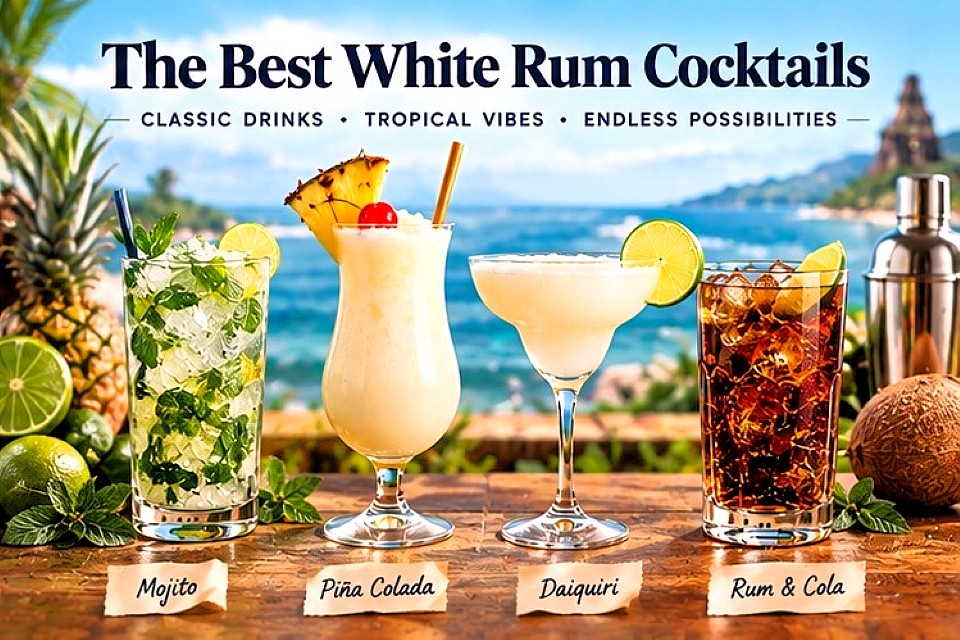
Classic rum cocktails including a Mojito, Piña Colada, Daiquiri and rum and cola.
13. Rhum J.M Blanc — Martinique
Rhum J.M is another prominent name in Martinique’s agricole rum tradition. Its white expressions are associated with fresh sugarcane character and are often used in cocktails that showcase the spirit itself.
Flavour profile: Fresh cane, herbs, citrus, pepper and vegetal notes, depending on the specific bottling.
Best uses: Ti’ Punch, dry rum cocktails and recipes where aromatic character is welcome.
Why it stands out: Rhum J.M offers a different perspective from the light, neutral style often associated with mass-market white rum. It can be more assertive and complex, especially when tasted without a large amount of sweetener or fruit juice.
A simple Ti’ Punch-style serve—rum with lime and a small amount of cane syrup—can help reveal its character. Use a recipe suited to the particular rum and adjust the sweetener to taste. If you are new to agricole rum, begin with a modest pour and compare it with a molasses-based white rum. The contrast is a useful way to understand the range of aromas within the wider rum category.
14. Neisson Blanc — Martinique
Neisson is a respected Martinique producer known for sugarcane-juice rum. Its white expressions are often appreciated by enthusiasts who want an aromatic spirit rather than a neutral cocktail base.
Flavour profile: Fresh cane, green herbs, citrus, pepper and earthy or mineral-like notes.
Best uses: Ti’ Punch, short cocktails and simple serves that preserve the rum’s character.
Why it stands out: Neisson provides another example of the diversity within agricole rum. Even among producers working within the same broad tradition, the finished spirits can differ because of sugarcane varieties, fermentation, distillation and production choices.
A white agricole rum may seem unusual to someone accustomed to light molasses-based rum. The flavour can be more savoury, grassy and aromatic. That does not make it better or worse; it makes it suited to a different preference and set of recipes.
For enthusiasts, comparing Neisson with Clément or Rhum J.M can be a rewarding way to explore Martinique’s rum culture.
15. Trois Rivières Blanc — Martinique
Trois Rivières is another recognized name in the French Caribbean agricultural-rum category. Its white expressions offer a route into the island’s sugarcane-juice tradition.
Flavour profile: Cane freshness, herbs, citrus and peppery or vegetal notes, with details depending on the bottling.
Best uses: Ti’ Punch, refreshing rum cocktails and simple serves with minimal ingredients.
Why it stands out: Trois Rivières helps illustrate why the phrase “white rum” should not be treated as a synonym for “tasteless rum.” Some unaged agricultural rums have highly recognizable aromas and a strong sense of origin.
A cocktail with only a few ingredients can be particularly revealing. When the recipe includes little more than rum, lime and sweetener, the spirit’s own character remains prominent. Look for the precise product name and bottling strength, since the producer may offer multiple expressions with different flavour profiles.
16. El Dorado 3 Year Old — Guyana
El Dorado is an internationally recognized Guyanese rum brand. Its 3 Year Old expression is a light rum intended for cocktails, with maturation and filtration contributing to its final profile.
Flavour profile: Light-bodied with subtle sweetness, gentle fruit and a restrained touch of barrel character.
Best uses: Daiquiris, Mojitos, rum punches and mixed drinks.
Why it stands out: Guyana has a distinctive rum-making history, and El Dorado offers an accessible way to explore it through a lighter expression. The brand is also known for aged rums, making it possible to compare different styles from the same producer.
When evaluating a white rum, do not assume that a younger or lighter expression is necessarily less carefully made than an older bottle. The expressions are designed for different uses, and cocktail performance can be a better measure of suitability than age alone.
El Dorado 3 Year Old is worth considering for recipes where a light rum is needed but a little extra character is welcome.
17. SelvaRey White Rum — Panama
SelvaRey is a modern rum brand with a strong focus on cocktail presentation and contemporary rum culture. Its White expression is designed to be versatile in mixed drinks.
Flavour profile: Light and smooth, with soft fruit and gentle sweetness.
Best uses: Daiquiris, Mojitos, rum highballs and tropical cocktails.
Why it stands out: SelvaRey is a useful example of how newer rum brands can combine a contemporary identity with a traditional spirit category. It appeals to consumers who value both the contents of a bottle and the experience surrounding a cocktail.
For practical purposes, evaluate it as you would any other white rum: taste it in a simple recipe, consider its balance, and decide whether it complements your preferred mixers. A visually striking bottle can be appealing, but packaging alone is not a reliable indicator of quality. The best choice is the rum that fits your taste, intended recipe and budget.
18. Ten To One White Rum — Caribbean Blend
Ten To One is a contemporary rum brand built around the idea of bringing Caribbean rum traditions into a modern premium category. Its White Rum is a blend intended for sipping and mixing.
Flavour profile: A more expressive profile than some very neutral white rums, with fruit, subtle spice and layered rum character.
Best uses: Daiquiris, elevated Mojitos, rum-forward cocktails and tasting comparisons.
Why it stands out: Ten To One is relevant to drinkers who want a white rum with more individuality than a basic mixing spirit. Its blend-oriented approach also reflects the fact that rum can draw on multiple Caribbean traditions.
A premium white rum may be especially worthwhile when the recipe is simple enough for its flavour to be noticed. In a complex drink with several strongly flavoured ingredients, the distinction between premium and entry-level rum can become less obvious.
If you enjoy making classic cocktails at home, Ten To One is a name to consider when exploring the premium end of the category.
19. Probitas — Caribbean Blend
Probitas is a rum designed with cocktail enthusiasts in mind. It brings together rum-making traditions from different Caribbean locations and is often discussed among bartenders looking for a white rum with pronounced flavour.
Flavour profile: Aromatic, fruity and complex for a white rum, with a fuller character than many highly neutral expressions.
Best uses: Daiquiris, rum-forward cocktails and recipes where the spirit should remain noticeable.
Why it stands out: Probitas challenges the idea that white rum should simply provide alcohol without adding much flavour. It can bring additional depth to a Daiquiri, where the interaction between rum, lime and sugar is central to the drink.
This kind of rum can also be useful for people who want to compare the role of blending in the final spirit. Different source rums may contribute different aromas, body and texture. Probitas is a particularly relevant name for readers interested in the modern craft-cocktail scene, although local availability may vary.
20. Banks 5 Island Rum — Caribbean Blend
Banks 5 Island Rum is known for its blend-based approach, bringing together rums from several Caribbean-producing regions. It is designed for use in cocktails and is often associated with bartending culture.
Flavour profile: Layered, aromatic and lively, with fruit and a broader rum character than a highly neutral light spirit.
Best uses: Daiquiris, Mojitos, tropical cocktails and rum punches.
Why it stands out: Banks 5 Island highlights the role of blending in white rum. Instead of relying on a single production style, a blend can combine complementary characteristics from different origins.
This can be particularly valuable in cocktails. A rum that contributes enough aroma and body can keep its identity when mixed with citrus, sugar or fruit, while still allowing the drink to remain balanced.
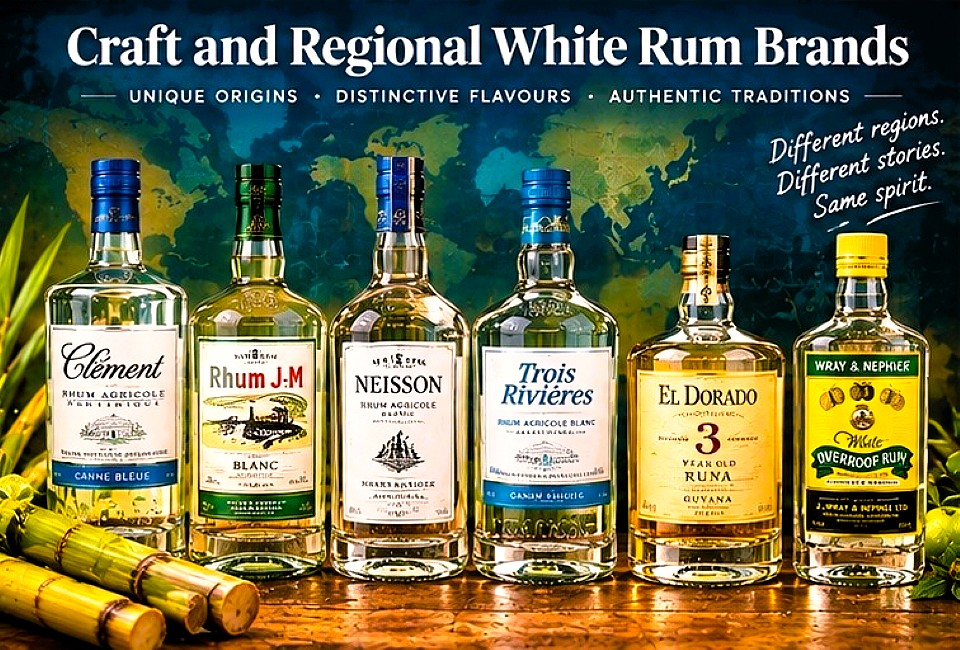
Regional white rum expressions featuring agricole rum from Martinique and Jamaican overproof rum.
21. Denizen Aged White Rum — Caribbean Blend
Denizen is a rum brand associated with blends inspired by Caribbean rum traditions. Its aged white expression is designed to work in classic cocktails while offering a little more character than some very light rums.
Flavour profile: Light but expressive, with subtle fruit, gentle spice and a rounded finish.
Best uses: Daiquiris, Mojitos and classic rum cocktails.
Why it stands out: Denizen is useful for cocktail enthusiasts who want to explore the relationship between rum styles and recipe history. Some classic cocktails were developed around specific regional rum characteristics, and a thoughtfully composed blend can help recreate a particular balance.
When selecting a rum for a historical or traditional recipe, consider the style of rum originally associated with the drink rather than relying exclusively on the word “white.” Denizen is an example of how blending can provide a particular flavour profile for cocktail use.
22. Caña Brava — Panama
Caña Brava is a white rum brand associated with Panama and developed with cocktail applications in mind. It is particularly relevant to readers interested in a lighter rum with enough character to perform in classic recipes.
Flavour profile: Clean and balanced, with gentle fruit and restrained sweetness.
Best uses: Daiquiris, Mojitos, rum punches and other mixed drinks.
Why it stands out: Caña Brava represents the diversity of white rum beyond the best-known Caribbean brands. Panama has its own rum industry, and white expressions from the region can offer a different balance of lightness and flavour.
The brand is also an example of why a rum’s intended use matters. A cocktail-focused white rum may be formulated to work well with citrus and sugar rather than to provide the deep oak and spice notes sought in an aged sipping rum.
23. Copalli White Rum — Belize
Copalli is a Belizean rum producer associated with a focus on local ingredients and production practices. Its White Rum offers a different regional perspective from the more widely recognized Cuban, Puerto Rican and Jamaican examples.
Flavour profile: Fresh and approachable, with sugarcane character and subtle tropical or herbal notes.
Best uses: Daiquiris, Mojitos, rum highballs and simple cocktails.
Why it stands out: Copalli adds geographic diversity to a white-rum shortlist. Exploring rum from Belize can help consumers recognize that the category extends across many countries, each with different agricultural conditions and production histories.
When reading producer claims about sustainability, organic ingredients or local sourcing, distinguish between marketing language and independently documented certifications. These attributes may matter to some consumers, but they should be evaluated using current, specific evidence.
For a cocktail, Copalli is most useful when you want a rum whose character remains present without taking over the entire drink.
24. Ron Barceló Blanco — Dominican Republic
Ron Barceló is a recognizable Dominican rum brand with a range of expressions. Its Blanco bottling is intended for lighter mixed drinks in markets where the product is sold.
Flavour profile: Light, smooth and versatile, with subtle sweetness and mild fruit character.
Best uses: Mojitos, Daiquiris, rum-and-soda drinks and tropical cocktails.
Why it stands out: Ron Barceló Blanco is a useful option for people exploring white rum from the Dominican Republic. It demonstrates that the same broad category can include spirits with different textures and levels of aromatic intensity.
For a home bar, a versatile white rum is often a practical first purchase because it can serve several cocktail styles. More specialized bottles can then be added as your preferences develop. Check the exact expression and market-specific label before buying, since a producer’s range may include aged or flavoured products that are not interchangeable with a standard white rum.
25. Rhum Agricole Blanc: A Category Worth Exploring
The final entry is not one single brand. It is a category of unaged sugarcane-juice rums that deserves a place in any serious discussion of white rum.
Producers such as Rhum Clément, Rhum J.M, Neisson and Trois Rivières offer examples of this style. Their products can vary substantially, but they generally provide a different flavour experience from many white rums made from molasses.
Flavour profile: Fresh sugarcane, green herbs, citrus, pepper and vegetal notes.
Best uses: Ti’ Punch, short cocktails and simple serves designed to showcase the rum.
Why it stands out: Agricole blanc is one of the best ways to understand the breadth of the white-rum category. It can be aromatic, savoury and highly distinctive, rather than light and neutral.
For a first comparison, prepare two simple rum cocktails using the same proportions: one with a standard light molasses-based rum and another with an agricole blanc. Keep the lime and sweetener consistent. The difference in aroma and flavour can be striking.
4. White Rum Comparison Table
The following table summarizes the main styles and uses of the featured rums. Flavour descriptions are broad guides, not guarantees; individual bottlings and market versions may differ.
| Brand or expression | Origin or style | General character | Best use |
|---|---|---|---|
| Bacardi Superior / Carta Blanca | Puerto Rican-style | Light, citrus, delicate fruit | Mojitos, Daiquiris |
| Havana Club 3 Años | Cuban tradition | Sugarcane, citrus, soft oak | Cuban cocktails |
| Don Q Cristal | Puerto Rico | Clean, light, versatile | Daiquiris, mixed drinks |
| Flor de Caña Extra Seco | Nicaragua | Restrained, dry-leaning | Citrus cocktails |
| Planteray 3 Stars | Caribbean blend | Layered, light rum character | Classic cocktails |
| Mount Gay Silver | Barbados | Fresh, approachable | Rum punches |
| Angostura White Oak | Trinidad and Tobago | Light, subtle spice | Punches, mixed drinks |
| Cruzan Aged Light | U.S. Virgin Islands | Soft, light-bodied | Piña Coladas |
| Brugal Blanco Supremo | Dominican Republic | Clean, restrained | Mojitos, highballs |
| Matusalem Platino | Dominican Republic | Smooth, light | Daiquiris |
| Wray & Nephew White Overproof | Jamaica | Powerful, fruity, aromatic | Overproof recipes |
| Rhum Clément Canne Bleue | Martinique agricole | Fresh cane, herbs | Ti’ Punch |
| Rhum J.M Blanc | Martinique agricole | Cane, citrus, pepper | Cane-forward cocktails |
| Neisson Blanc | Martinique agricole | Herbal, earthy, aromatic | Ti’ Punch |
| Trois Rivières Blanc | Martinique agricole | Green cane, citrus | Simple rum cocktails |
| El Dorado 3 Year Old | Guyana | Light, subtle richness | Mixed drinks |
| SelvaRey White | Panama | Smooth, fruity | Tropical cocktails |
| Ten To One White | Caribbean blend | Expressive, layered | Premium cocktails |
| Probitas | Caribbean blend | Aromatic, full-flavoured | Daiquiris |
| Banks 5 Island | Caribbean blend | Complex, lively | Rum punches |
| Denizen Aged White | Caribbean blend | Light, rounded | Classic cocktails |
| Caña Brava | Panama | Clean, balanced | Daiquiris |
| Copalli White | Belize | Fresh, cane character | Simple cocktails |
| Ron Barceló Blanco | Dominican Republic | Light, versatile | Mojitos, highballs |
| Agricole blanc category | French Caribbean tradition | Fresh cane, herbal notes | Ti’ Punch, spirit-led drinks |
5. White Rum vs. Light Rum vs. Silver Rum
The terms white rum, light rum and silver rum are often used interchangeably, particularly in cocktail recipes and retail listings. However, naming conventions can vary between producers and markets.
In general:
-
-
- White rum describes a rum that is clear or nearly colourless.
- Light rum usually refers to a relatively light-bodied style intended for easy mixing.
- Silver rum is often a marketing term for a clear rum.
- Blanco is a Spanish term used on some rum labels.
- Blanc is commonly used in French-language rum categories, including agricultural rum.
-
These labels do not guarantee identical production methods. A clear rum may be unaged, rested, aged and filtered, or blended from several distillates. Alcohol strength and flavour intensity also vary.
For example, Havana Club 3 Años is aged before filtration, while an unaged agricole blanc may emphasize fresh sugarcane and herbal aromas. Both may be classified as white rum, but they can taste quite different.
Practical tip: When choosing a bottle, read the specific product description rather than judging the rum by colour alone.
White rum tasting setup with a spirits glass, lime and notes on citrus, sugarcane, tropical fruit, vanilla and spice.
6. White Rum vs. Dark Rum
White and dark rum differ in appearance, but colour is only one part of the story.
White rum is often associated with lighter cocktails, fresh citrus and refreshing mixed drinks. Dark rum frequently has more pronounced colour and may offer stronger notes of oak, caramel, spice or molasses. However, dark colour does not automatically mean older age, and white rum is not necessarily unaged.
Some white rums mature in barrels and are filtered afterward. Some dark rums gain colour from barrel maturation, blending or other permitted production practices, depending on the jurisdiction and product.
When should you choose white rum?
White rum is particularly useful when:
-
-
- You want a crisp Mojito or Daiquiri.
- The recipe emphasizes lime, mint or other fresh ingredients.
- You prefer a light-bodied cocktail.
- You need a versatile spirit for several classic recipes.
- You want to explore fresh sugarcane character in an agricole blanc.
-
When should you choose dark rum?
Dark or aged rum may be more suitable when:
-
-
- The recipe calls for richer oak or spice notes.
- You are making a cocktail built around caramel, coffee or baking spices.
- You want a spirit with pronounced barrel character.
- You are preparing a recipe that specifically calls for dark rum.
-
Neither category is universally better. The right choice depends on the cocktail, your flavour preferences and the specific bottle.
7. How to Choose the Best White Rum
The best white rum is the one that suits your intended use, taste preferences and budget. Instead of looking for a single universal winner, consider the following factors.
1. Decide what you will make
If you mostly prepare Mojitos and Daiquiris, choose a versatile white rum that works well with lime and sugar. If you make tropical cocktails, consider how the rum will balance pineapple juice, coconut and other sweet ingredients. For spirit-forward drinks, a more aromatic white rum may be worthwhile because its flavour remains easier to notice.
2. Consider flavour intensity
A light, restrained rum is often useful when you want the other ingredients to lead. A more expressive rum can add complexity to a simple recipe. Neither approach is inherently superior. The goal is balance.
3. Check the alcohol strength
Standard white rums commonly appear at bottling strengths around 40% alcohol by volume, although market-specific versions vary. Overproof rums can be significantly stronger. Always check the label. When substituting an overproof rum in a recipe, do not assume that the same volume will produce the same result.
4. Consider the production style
Molasses-based white rum and sugarcane-juice agricole blanc can have noticeably different flavours. If you enjoy grassy, herbal or earthy spirits, an agricole may be especially interesting. If you prefer a more restrained profile for everyday mixing, a light molasses-based rum may be a better starting point.
5. Think about versatility
For a home bar, a bottle that works in several recipes can offer practical value. Bacardi Superior, Don Q Cristal, Havana Club 3 Años and similar cocktail-oriented expressions are recognizable examples of versatile styles. For enthusiasts, a second bottle with a more distinctive character can expand the range of cocktails you can make.
6. Compare value, not just price
A more expensive rum is not automatically better for every cocktail. In a drink with several strong ingredients, some differences between bottles may become less noticeable. Try the rum in the recipes you actually make. That gives you a more useful basis for comparison than price or packaging alone.
7. Check local availability
Product ranges differ by country and retailer. Some specialist white rums are widely available in one market but difficult to find in another.
If you are shopping in Toronto or the GTA, confirm the current listing, bottle size, price and delivery eligibility before choosing a product.
8. The Best White Rum for Popular Cocktails
Different cocktails benefit from different white-rum characteristics. These are starting points rather than strict rules.
Best white rum for a Mojito
A Mojito combines white rum, lime, mint, sugar and soda water. The rum should complement the mint and citrus without overwhelming them.
Styles to consider: Bacardi Superior, Havana Club 3 Años, Don Q Cristal or Planteray 3 Stars. For a more aromatic variation, an agricole blanc can add a distinct sugarcane and herbal dimension. The result will differ from the familiar light-rum version, so adjust the recipe to suit the bottle.
Best white rum for a Daiquiri
The classic Daiquiri is simple: rum, fresh lime juice and sugar. Because it contains few ingredients, the rum’s flavour has a noticeable influence on the final cocktail.
Styles to consider: Bacardi Superior, Havana Club 3 Años, Planteray 3 Stars, Don Q Cristal or Probitas.
A useful starting recipe is:
-
-
- 60 ml white rum
- 25 ml fresh lime juice
- 15–20 ml simple syrup, adjusted to taste
-
Shake the ingredients with ice and strain into a chilled glass. Exact proportions can be adjusted depending on the rum, lime acidity and preferred sweetness.
Best white rum for a Piña Colada
A Piña Colada combines rum, pineapple and coconut. It generally benefits from a rum that is smooth and balanced, with enough character to remain noticeable alongside the fruit.
Styles to consider: Bacardi Superior, Don Q Cristal, Cruzan Aged Light or another versatile white rum. The final drink depends heavily on the sweetness and texture of the pineapple and coconut ingredients. Adjust the proportions rather than assuming the rum alone determines the result.
Best white rum for a Cuba Libre
A Cuba Libre combines rum, cola and lime. A clean white rum can work well, although some drinkers prefer a gold or lightly aged rum for additional richness.
Styles to consider: Bacardi Superior, Don Q Cristal or Angostura White Oak. Fresh lime is important because it adds acidity and helps balance the sweetness of cola.
Best white rum for a rum punch
Rum punch varies widely by region and recipe. It can include citrus, pineapple, orange, grenadine, spices or other ingredients.
Styles to consider: Angostura White Oak, Mount Gay Silver, Planteray 3 Stars or a versatile light rum. For a more distinctive punch, a small amount of Jamaican overproof rum may add intensity, but the total alcohol strength should be considered carefully.
Best white rum for a Ti’ Punch
Ti’ Punch is closely associated with the French Caribbean agricole tradition. It typically features rhum agricole, lime and cane syrup.
Styles to consider: Rhum Clément Canne Bleue, Rhum J.M Blanc, Neisson Blanc or Trois Rivières Blanc. This is a different experience from a standard white-rum Mojito. The cane-juice spirit contributes a distinctive herbal and vegetal character, so it is worth choosing a rum specifically suited to the style.
9. How to Taste White Rum
You do not need to be a professional spirits judge to compare white rums. A few simple steps can help you identify the differences.
Step 1: Observe the appearance
Look at the rum in a clear glass. Most white rums appear transparent, but some aged-and-filtered expressions may retain a very slight tint. Appearance alone cannot tell you how old a rum is or how it will taste.
Step 2: Smell gently
Bring the glass toward your nose and take a gentle sniff. Avoid inhaling deeply, especially with higher-strength spirits. Look for broad aroma families: citrus, fruit, sugarcane, herbs, vanilla, spice or earthy notes.
Step 3: Taste a small amount
Take a small sip and pay attention to the initial flavour, texture and finish. Notice whether the rum feels light, oily, dry, sweet, peppery or aromatic. Do not feel obliged to identify every possible note. A simple description such as “citrusy and light” or “grassy and herbal” is perfectly useful.
Step 4: Compare two styles
Try a standard light rum alongside an agricole blanc, using the same glassware and similar tasting conditions. The contrast can help you understand the impact of the raw material and production style. If you prefer to taste rum in a cocktail, make two versions of the same recipe and keep the other ingredients consistent.
Step 5: Record your preferences
Write down which rum you preferred and why. You may discover that you like a clean rum for Mojitos but a more aromatic one for Daiquiris. A personal record is often more useful than relying on a universal “best rum” list.
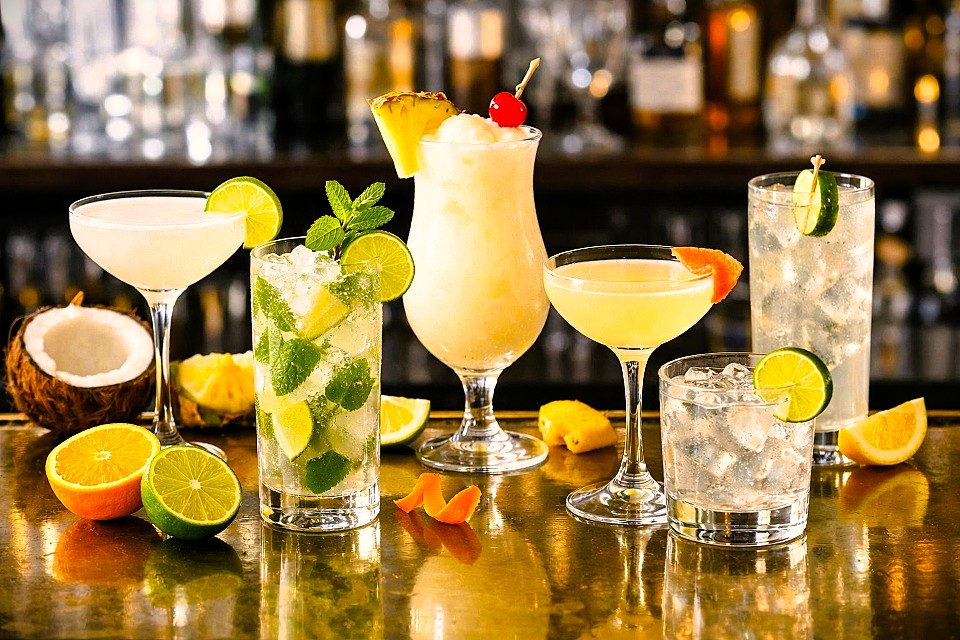
The Best White Rum Cocktails – Classic and Tropical Drinks
10. Frequently Asked Questions About White Rum
What is the most popular white rum in the world?
There is no single universally accepted ranking of white-rum expressions by global sales. Bacardi is one of the world’s best-known rum brands, and its Superior or Carta Blanca expression is widely associated with classic cocktails. However, brand-wide sales rankings do not necessarily measure the sales of white rum alone.
What are the best white rum brands?
Notable brands and expressions include Bacardi Superior, Havana Club 3 Años, Don Q Cristal, Flor de Caña Extra Seco, Planteray 3 Stars, Mount Gay Silver, Angostura White Oak and Wray & Nephew White Overproof. Rhum Clément, Rhum J.M, Neisson and Trois Rivières are also worth exploring for agricole blanc styles. The best choice depends on the cocktail, flavour preference and local availability.
Is white rum the same as light rum?
The terms are often used interchangeably, but they are not a guarantee of identical production methods. White rum describes a clear or nearly colourless appearance, while light rum often suggests a lighter-bodied style. Some white rums are aged and filtered; others are unaged.
Is white rum aged?
Some white rums are aged in oak barrels and then filtered to remove most of their colour. Others are bottled without barrel maturation. Check the producer’s product information for the specific expression.
What is the smoothest white rum?
“Smooth” is subjective. Some people prefer a restrained rum with a soft finish, while others enjoy the more expressive character of a sugarcane-juice rum. Try a few styles in a simple cocktail or small tasting comparison to determine which suits your palate.
Which white rum is best for Mojitos?
Bacardi Superior, Havana Club 3 Años, Don Q Cristal and Planteray 3 Stars are useful options to consider. A light rum generally complements the mint and lime, while a more aromatic rum can produce a different, more pronounced flavour profile.
Which white rum is best for Daiquiris?
A Daiquiri benefits from a rum that balances fresh lime juice and sugar. Bacardi Superior, Havana Club 3 Años, Don Q Cristal, Planteray 3 Stars and Probitas are examples worth comparing. The best result depends on the rum’s flavour intensity, the acidity of the lime and your preferred sweetness.
Can white rum be used in a Piña Colada?
Yes. White rum is a common choice for Piña Coladas. Its lighter profile works well with pineapple and coconut. Some recipes use aged or darker rum for a richer character, so the ideal choice depends on the style of drink you prefer.
Is white rum sweeter than dark rum?
Not necessarily. Colour does not reliably indicate sweetness. White and dark rums can differ in production, maturation and blending, and perceived sweetness is influenced by aroma and texture. Check the specific product information rather than judging sweetness by colour.
What is overproof white rum?
Overproof white rum is bottled at a higher alcohol strength than standard-strength rum. Wray & Nephew White Overproof is a well-known example. It is often used in recipes that call for an intense rum character, but it must be measured carefully because its alcohol content can be considerably higher.
What is the difference between white rum and rhum agricole blanc?
Many common white rums are made from molasses, while rhum agricole is generally made from fresh sugarcane juice. Agricole blanc often has a more pronounced grassy, herbal or vegetal character. The exact flavour depends on the producer and expression.
Can white rum be sipped neat?
Some white rums can be enjoyed neat, particularly expressive premium or agricole styles. Others are primarily designed for mixing. If tasting neat, use a small pour and take your time; higher-strength expressions may be intense.
How should white rum be stored?
Store the bottle upright in a cool, dry place away from direct sunlight and heat. Close the cap securely after use. Unlike wine, unopened distilled spirits generally do not require refrigeration. Once opened, air exposure can gradually affect aromas, particularly if only a small amount remains in the bottle.
Where can I find white rum in Toronto?
White-rum availability varies by retailer, product and delivery area. Toronto-area consumers can check the current listings at Always Dial A Bottle Toronto and confirm the exact expression, bottle size, price and delivery eligibility before placing an order.
11. Exploring White Rum in Toronto
For cocktail enthusiasts in Toronto and the Greater Toronto Area, white rum is a useful home-bar staple because a single bottle can be used in a wide variety of recipes.
A practical starting selection might include one versatile white rum for everyday cocktails, followed by a more distinctive bottle once you know which flavours you enjoy. For example, a light rum can cover Mojitos and Piña Coladas, while an agricole blanc or Jamaican overproof rum can add a different dimension to more specialized recipes.
When comparing products, consider:
-
-
- The exact expression and alcohol strength.
- Whether the rum is intended for general mixing, premium cocktails or a specific tradition.
- Bottle size and price.
- Whether the product is currently listed and available for delivery.
- The ingredients and flavour profile of the cocktails you plan to make.
-
Always Dial A Bottle Toronto serves customers looking for alcohol and beverage delivery in Toronto and surrounding GTA communities. Check the website for current products and delivery information. Product availability, delivery zones, age-verification requirements and other conditions may apply.
Explore the website here: Always Dial A Bottle Toronto.
If you enjoy rum cocktails, you can also read our related guide, Most Popular Rum Cocktails in the World, for additional inspiration and ideas for using different rum styles.
12. Final Thoughts: Which White Rum Should You Try?
The world’s most popular white rums range from dependable cocktail staples to highly expressive spirits shaped by distinctive regional traditions. Bacardi Superior, Havana Club 3 Años, Don Q Cristal and Flor de Caña Extra Seco are useful examples of versatile light-rum styles.
Planteray 3 Stars and Probitas show how blending can add complexity, while Wray & Nephew White Overproof demonstrates the power of a high-strength Jamaican rum. Rhum Clément, Rhum J.M, Neisson and Trois Rivières introduce the fresh, herbal character of French Caribbean agricole rum.
There is no single white rum that is best for every person or every cocktail. The most useful choice depends on what you plan to make, the flavour profile you enjoy and the availability of the specific bottle in your market. For a versatile starting point, choose a light white rum suited to Mojitos and Daiquiris.
If you want to explore further, compare it with a more aromatic blend, an overproof Jamaican rum or an agricole blanc. These comparisons can reveal just how varied white rum can be.
For readers in Toronto and the GTA, Always Dial A Bottle Toronto is a place to check current product listings and delivery information.
Explore the world of white rum, experiment with classic cocktails, and choose the bottle that best suits your taste.